Poll Hours, ID Rules, and Mail Ballots: Your Guide for November 3
Voters across the nation are heading to polls or tracking mail ballots as the U.S. Postal Service adds resources to ensure timely counting.
By Chloe Zhao ·
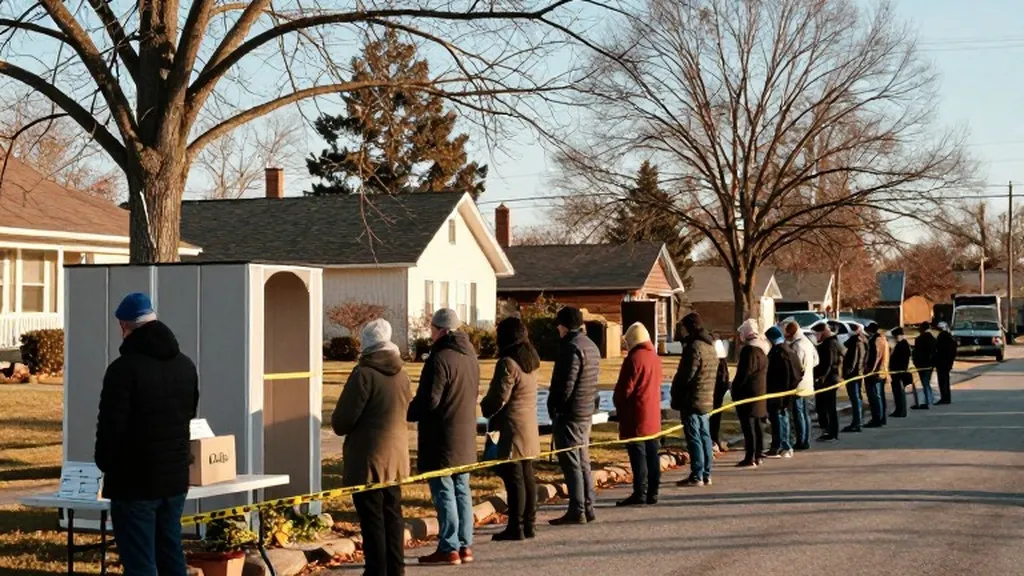
Voters across the United States are casting ballots on Tuesday, November 3, 2026, to decide the balance of power in Congress. The election is a midterm vote that will determine which party controls the House and Senate for the final two years of President Donald Trump's second term. All 435 seats in the House are up for grabs, along with 35 Senate seats and 36 governorships. The Associated Press describes the day as a referendum on the president's performance, with many voters expressing concern over high prices and the economy.
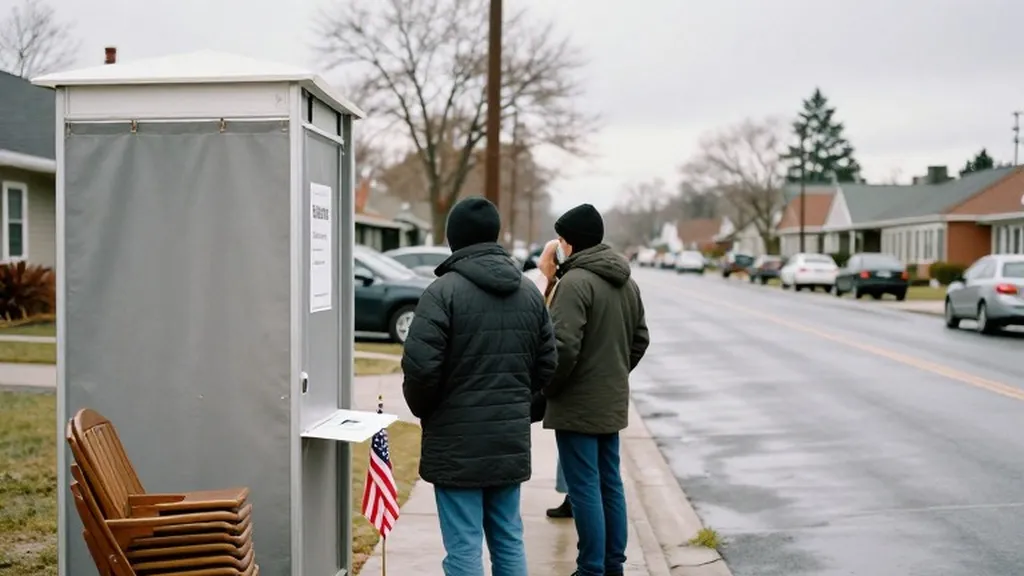
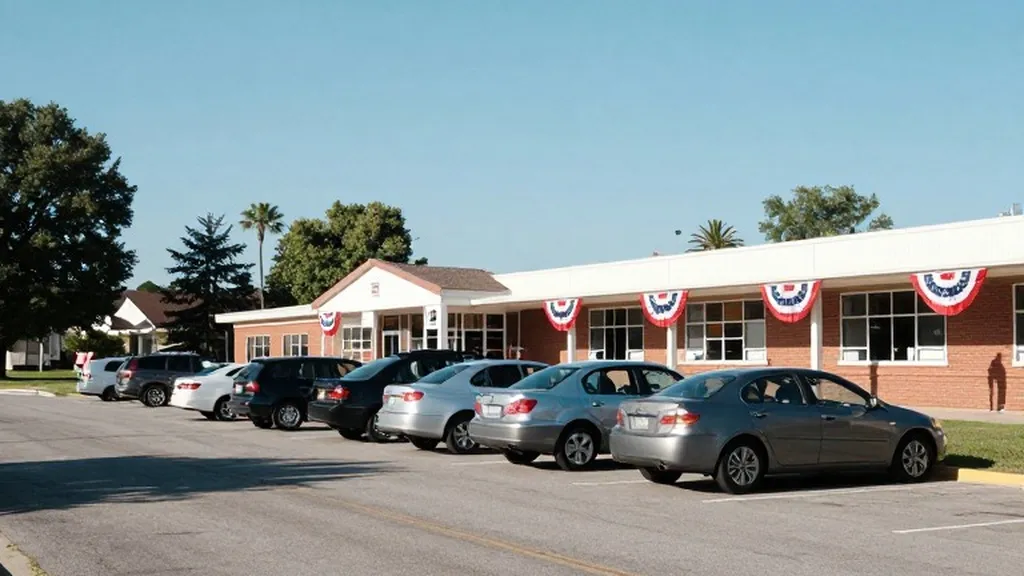
Before heading to a polling place, citizens are advised to verify their specific location and hours. The website vote.gov and state election offices provide the necessary details. Polling hours vary significantly by state, so checking local rules is essential. For instance, polls in Alabama open at 7 a.m. and close at 7 p.m., while in California, voting runs from 7 a.m. to 8 p.m. New York has the latest closing time, with polls open until 9 p.m. In contrast, Kentucky and Indiana close at 6 p.m. Local time zones also matter, as seen in Nebraska where polls close at 8 p.m. Central time but 7 p.m. Mountain time.
Identification requirements are another critical factor for in-person voters. Rules differ from state to state, and some jurisdictions require specific forms of photo identification while others do not. Ballotpedia notes that voters should check their state's specific guidelines before arriving at the polls to avoid delays. This practical step ensures that eligible voters, including many Republicans who are bracing for a competitive turnout, can cast their ballots without interruption. The clarity of these rules is particularly important given the high stakes of the election.
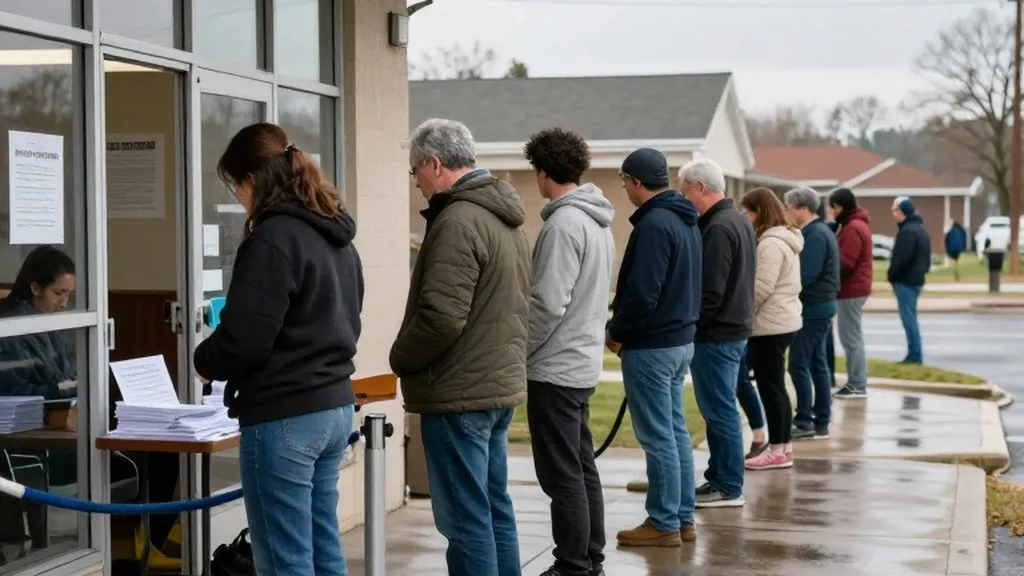
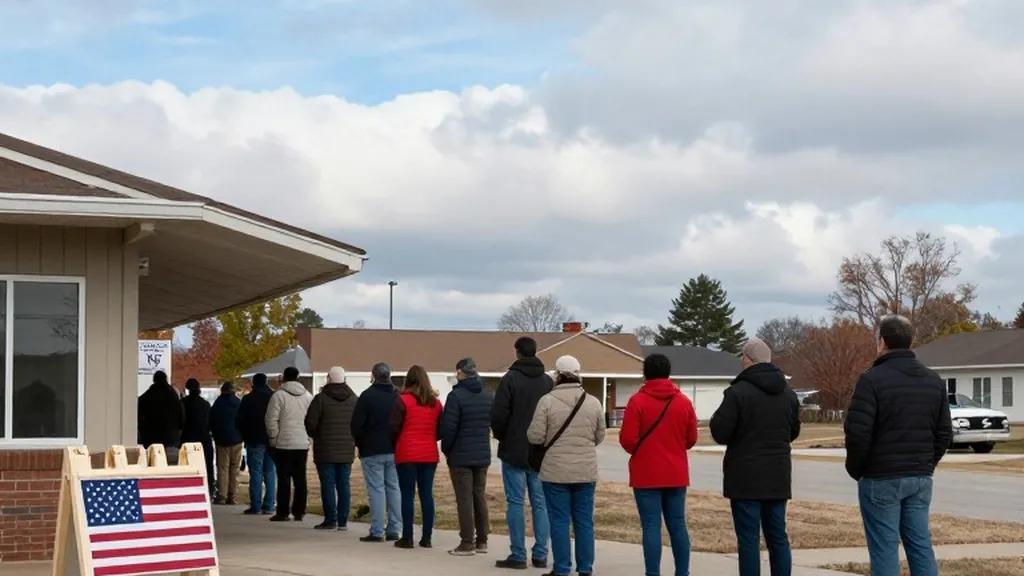
Staying in line is a key right for voters in many jurisdictions. According to election administration rules, anyone who is in line when the polls officially close is entitled to cast a ballot. This provision helps accommodate long waits that can occur in busy precincts. As more than 57 million people have already voted early, the final surge of in-person voters may face significant lines. Understanding this rule can reduce anxiety for those who arrive near the closing hour, ensuring that their participation is counted.
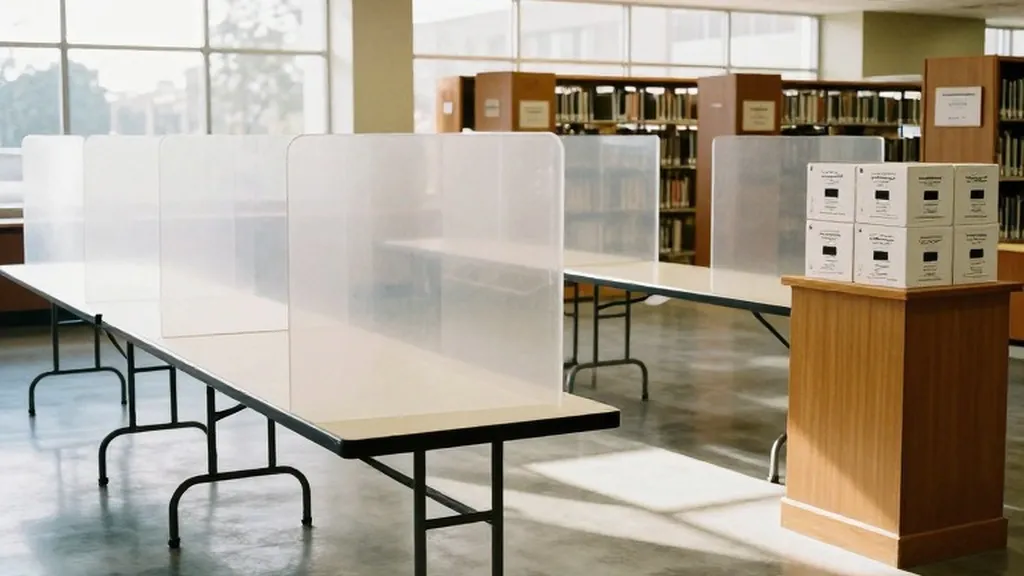
For those who voted by mail, the U.S. Postal Service has taken specific steps to manage the workload. The agency added hours, staff, and special lines to ensure that mail ballots are received and counted on time. This infrastructure is crucial for states like Oregon, Utah, and Washington, where a large portion of voting occurs through the mail. The Postal Service's expanded operations aim to prevent bottlenecks that could delay the counting process. This logistical effort supports the integrity of the election and helps ensure that all valid votes are tallied promptly.
In the House, the math is tight. Democrats need a net gain of three districts to secure a majority, while Republicans can afford to lose no more than two seats. Ballotpedia has identified 46 battleground districts, with 25 held by Democrats and 21 by Republicans. In the Senate, Democrats need a net gain of four seats to take control, whereas Republicans can lose only two. These narrow margins mean that every vote in competitive districts and states could be decisive. The outcome will shape the legislative agenda for the next two years, including oversight and potential investigations.
Governor races are also pivotal, with Democrats hoping to hold a majority of governorships for the first time in two decades. Republicans currently hold 26 of the 36 governor's offices, but 18 of the races on the ballot are held by each party. States like Georgia, Nevada, and Ohio are considered competitive battlegrounds. The results of these races will influence policy on issues such as border security and the economy, which are central to the campaign discussions. Voters in these states are making choices that could shift the national political landscape significantly.
The mood among voters is mixed, with many citing economic strain as a primary motivator. An AP-NORC poll indicates that only 35 percent of adults approve of Trump's job performance, and about seven in ten believe the country is heading in the wrong direction. These sentiments are driving turnout among Democrats, who are described as cautiously optimistic. Republicans, led by figures like RNC Chairman Joe Gruters, emphasize that everything depends on voter turnout. The day is defined by the effort to mobilize supporters and ensure that every eligible citizen has the opportunity to participate.
Legal and administrative issues have also played a role in the lead-up to the election. A federal judge temporarily barred the Trump administration from implementing a plan to prevent noncitizen voting, a move that critics said could disenfranchise eligible voters. Additionally, the administration was ordered to stop demanding that California officials segregate certain ballots. These legal developments highlight the complex interplay between federal and state authority in election administration. They underscore the importance of clear rules and consistent enforcement as the country moves through this critical voting day.
Wall Street is also watching the election closely, as the results could impact investor confidence regarding debt ceiling negotiations and AI spending. The economic implications extend beyond politics, affecting markets and financial planning for many households. As polls open and close across the nation, the focus remains on the practical steps voters are taking to ensure their voices are heard. The day is a testament to the enduring nature of the democratic process, where specific actions like checking ID rules and staying in line contribute to the broader outcome. The final tally will emerge as the day progresses, with the Postal Service and election officials working to count every valid ballot efficiently.