Markets brace for AI and debt signals as voters weigh fiscal risks
Investors are monitoring Tuesday's midterms for clues on AI spending, debt limits, and trade policy as polls open across the country.
By Megan Greco ·

Wall Street is watching Tuesday's midterm elections with a focus that extends beyond the traditional political map. According to Reuters, market participants are looking for signals regarding artificial intelligence spending and the future of debt ceiling negotiations. The outcome in Congress will determine the legislative backdrop for these critical economic issues during the final two years of President Donald Trump's second term. Investors are particularly sensitive to how a shift in power might affect fiscal policy and trade relations with key allies.
The Associated Press describes the election as a referendum on the current administration, noting that voters are struggling with high prices and are angry over an unpopular war with Iran. AP-NORC polling indicates that 35 percent of U.S. adults approve of Trump's job performance, while only 25 percent approve of his handling of the economy. About seven in ten Americans say the country is heading in the wrong direction, with most blaming the president for high prices. These economic sentiments are central to the debate over future spending and tax policy, which directly impacts market confidence.
In the U.S. House, all 435 seats are up for election. Republicans currently hold 218 seats, while Democrats hold 214, with one independent and vacancies remaining. Democrats need a net gain of three districts to secure a majority, whereas Republicans can afford to lose no more than two seats. Ballotpedia identifies 46 battleground districts, with 25 currently held by Democrats and 21 by Republicans. The control of the House will influence the oversight of federal spending, including the massive outlays associated with AI infrastructure development.
The Senate race involves 35 seats, with Republicans holding 53 and Democrats holding 45, plus two independents who caucus with Democrats. Democrats need a net gain of four seats to achieve a majority. Ballotpedia lists 13 competitive Senate races, including states like Georgia, Michigan, and North Carolina. The AP notes that economic strain and tariffs have made states like Maine competitive, with Sen. Susan Collins facing a tough challenge. A change in Senate leadership could alter the pace of negotiations on the debt ceiling, a critical factor for global markets.
Trade policy and relations with allies are also under scrutiny. The administration has continued to push for specific trade deals, and the election results will signal the durability of these policies. Reuters reports that investors are concerned about how a potential Democratic majority might approach trade agreements and tariffs. The stability of these policies is viewed as essential for maintaining supply chain efficiency and controlling inflation, which remains a top concern for voters and economists alike.
Money is playing a significant role in this election, with the 2026 contests likely to be the most expensive in history. Republican committees outraised and outspent Democratic committees at the committee level, helped by Trump-affiliated groups and Elon Musk. However, at the candidate level, Democrats outraised their opponents. AP analysis of AdImpact data shows that 88.1 percent of Republican general election TV ad spending went to states and districts Trump won in 2024. This heavy investment reflects the importance of holding key markets and maintaining fiscal policies favored by business leaders.
Election administration issues have added a layer of complexity to the proceedings. A federal judge temporarily barred the Trump administration from carrying out a plan to prevent noncitizen voting, while another judge ordered the administration to stop demanding that California officials segregate certain ballots. The U.S. Postal Service has added hours and staff to ensure mail ballots are counted on time. These legal and logistical developments are being watched closely by market analysts who assess the reliability and finality of the voting process.
Voters are expressing a mix of opinions on the current economic trajectory. Mark Barker of Palm Beach Gardens, Florida, stated that he has been following Trump the whole time and believes he is doing an awesome job. In contrast, James Moore, a librarian in Raleigh, North Carolina, said he is paying more taxes, more for healthcare, and more for everything. These divergent views highlight the economic divide that could influence the final tally and, by extension, the policy direction that markets are pricing in.
If Democrats win even one chamber, investigations and possible impeachment proceedings become likely, which could create political uncertainty. House Democratic Leader Hakeem Jeffries would be the first Black speaker if his party takes control and has outlined a 100-day agenda focused on the cost of living and oversight. A strong Democratic performance would also boost potential 2028 candidates and could complicate the path for Vice President JD Vance. Republicans are trying to beat the historical midterm pattern where a president's party loses seats, using redistricting to their advantage, though new maps in states like Florida may not vote as drawn.
The results of Tuesday's election will set the stage for fiscal policy discussions in the coming months. Investors are preparing for potential shifts in AI spending, debt limit talks, and trade strategies. The control of Congress will dictate the legislative environment for these issues, making this midterm election a critical event for global financial markets. As polls open across the country, the focus remains on how voters will balance their economic concerns with their political loyalties.
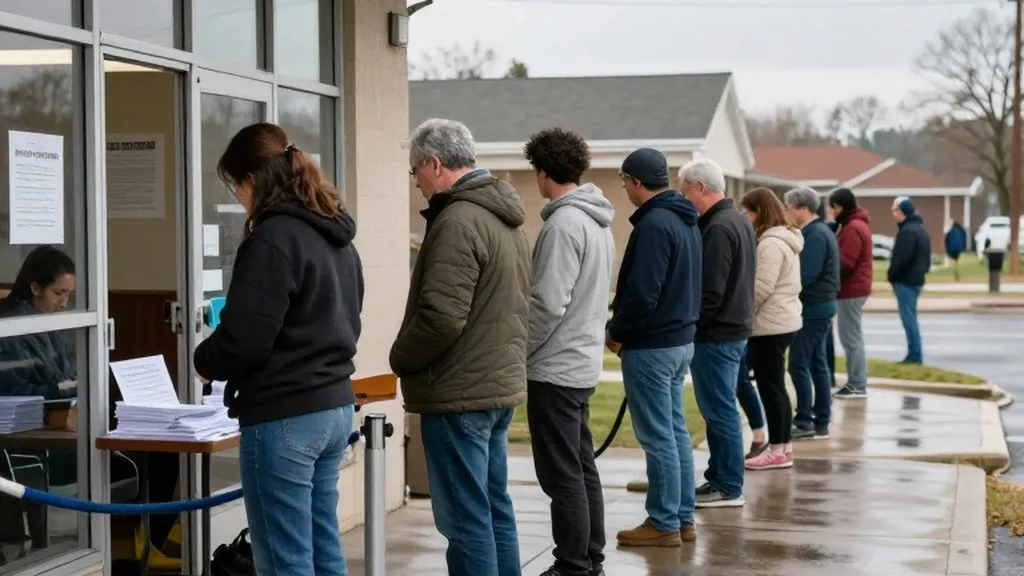
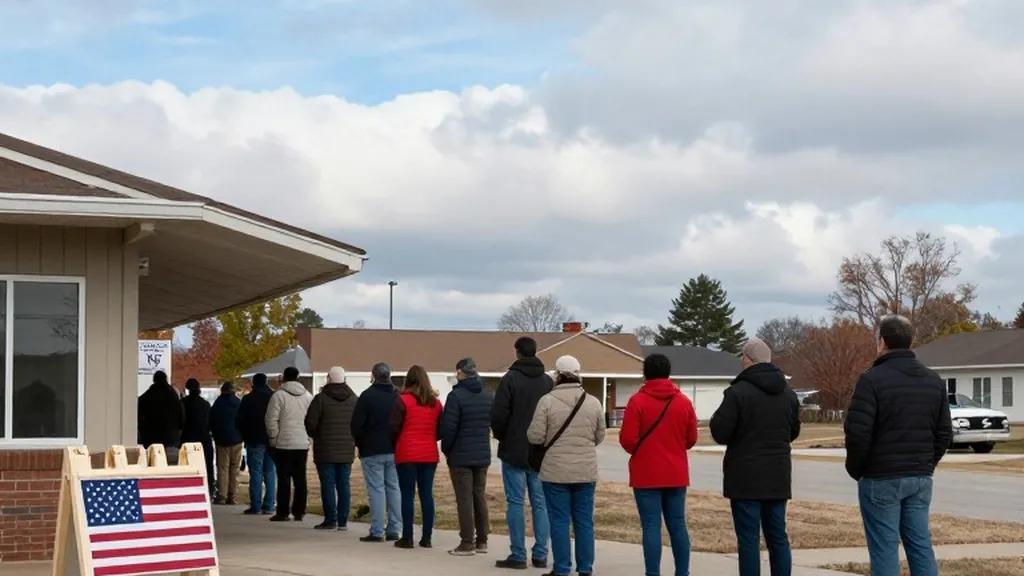
More than 57 million people had already voted as of Monday, surpassing the early vote of four years ago in many closely watched states. This high level of early participation suggests a strong interest in the outcome, which could lead to a decisive shift in power. The final results will determine whether the current administration's economic agenda continues with full support or faces increased scrutiny and potential modification. Market watchers will be analyzing the speed and clarity of these results to adjust their positions accordingly.