Midterm math: How Republicans tried to break the historical trend
With the House and Senate up for grabs, both parties deployed money and messaging to defy the pattern that usually favors challengers.
By Benjamin Bernard ·
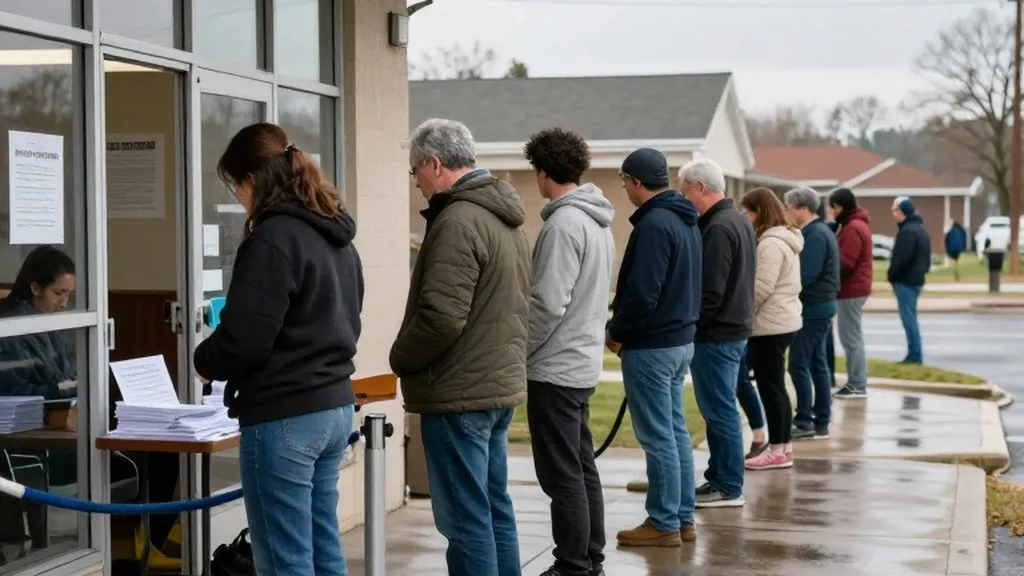
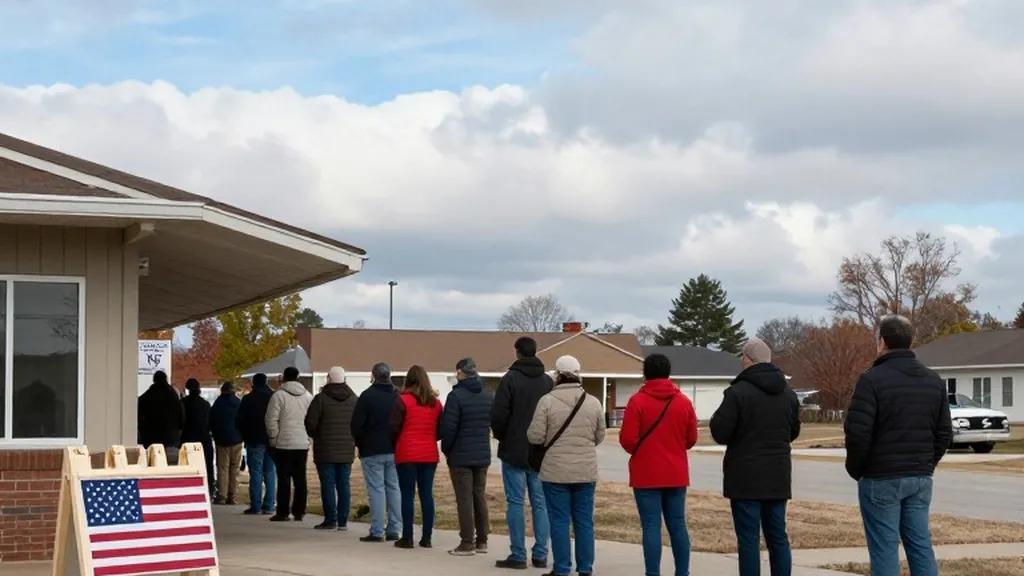
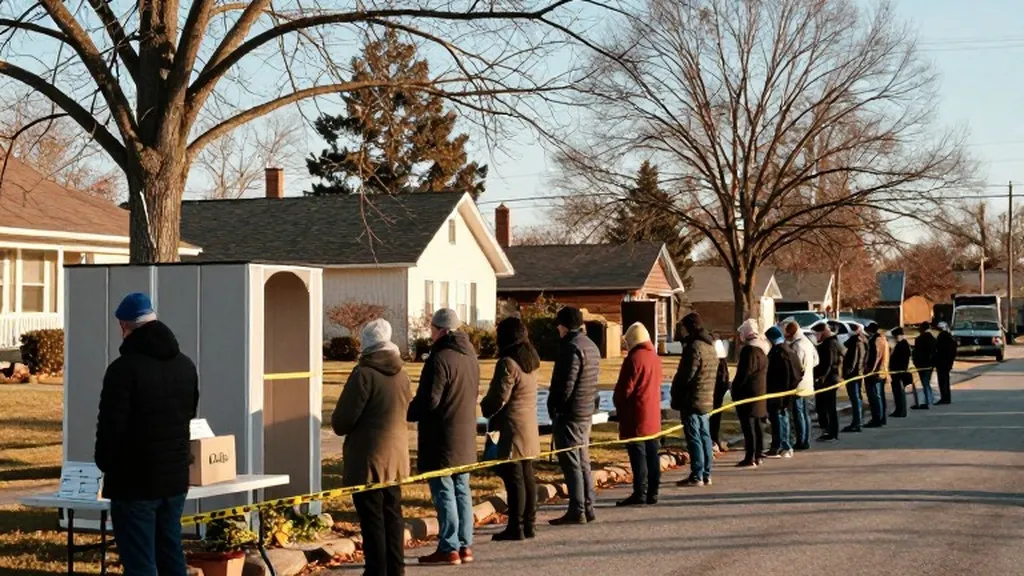
It is Election Day, Tuesday, November 3, 2026, and voters across the nation are casting ballots to determine who will control Congress for the final two years of President Donald Trump's second term. The stakes are high, as all 435 U.S. House seats and 35 U.S. Senate seats are on the ballot. Republicans currently hold a majority in both chambers, but the midterm election pattern suggests a president's party almost always loses seats. Both parties entered this cycle with distinct strategies to beat that historical trend, focusing on turnout, economic messaging, and the defense of key incumbents.
The Associated Press describes this election as a referendum on Trump's second term, with voters struggling with high prices and anger over an unpopular war with Iran. According to AP-NORC polling, 35 percent of U.S. adults approve of Trump's job performance, while only 25 percent approve of his handling of the economy. About seven in 10 respondents say the country is heading in the wrong direction, with most blaming the president for rising costs. These numbers highlight the challenge facing Republican candidates, who must defend their party's majority despite a president with a middling approval rating and a public that is anxious about the cost of living.
Republicans were bracing to lose the House and fighting hard to hold the Senate. The Associated Press notes that one or two seats could tip either chamber. Democrats, meanwhile, were cautiously optimistic. To counter the midterm trend, Republican committees outraised and outspent Democratic committees at the committee level, helped by Trump-affiliated groups and Elon Musk. However, at the candidate level, Democrats outraised their opponents. An analysis of AdImpact data by the Associated Press shows that 88.1 percent of Republican general election TV ad spending went to states and districts Trump won in 2024, including more than $850 million in places where he won by 10 points or more. This strategy aimed to lock in loyalty in safe districts while spending heavily in battlegrounds.
The fight for the Senate is particularly intense in thirteen races. In North Carolina, Democratic former Governor Roy Cooper faces former Republican National Committee chair Michael Whatley in a race that has drawn national attention. In Georgia, Senator Jon Ossoff is defending his seat against Republican Representative Mike Collins. In Ohio, Democratic former Senator Sherrod Brown is running against Republican Senator Jon Husted. The Associated Press points out that in Maine, Senator Susan Collins faces Democratic former state Senate President Troy Jackson, with economic strain and tariffs making the state competitive. In Texas, Republican Attorney General Ken Paxton, who received Trump's backing over Senator John Cornyn in the primary, runs against Democrat James Talarico.
Governor races also play a crucial role in the midterm landscape. Democrats are attempting to hold a majority of governorships for the first time in two decades. In Georgia, Republican health care executive Rick Jackson competes against Democratic former Atlanta Mayor Keisha Lance Bottoms. In Nevada, Republican Governor Joe Lombardo faces Democratic Attorney General Aaron Ford. In Ohio, Republican Vivek Ramaswamy runs against Democrat Amy Acton, with the campaign facing backlash over an ad featuring Acton's estranged mother. The Associated Press identifies Texas, Florida, and Iowa as competitive governor races, where the outcome could influence the national narrative on economic management and border security.
Turnout is the central theme for both parties. RNC Chairman Joe Gruters stated that everything depends on turnout, asserting that if they turn out their voters, they will win. DCCC Chair Representative Suzan DelBene countered that the American people are angry and want change. More than 57 million people had already voted as of Monday, surpassing the early vote of four years ago in many closely watched states. This high level of early participation suggests that voters are engaged and that the final tally will depend heavily on how each party mobilizes its base on Election Day.
Trump held dozens of rallies to energize his base, ending his schedule Sunday in Salina, Kansas, where he told supporters he wanted them to pretend he was on the ballot. His schedule included stops in Mississippi, South Carolina, and Texas. Many Republican candidates kept their distance from the president, reflecting a complex dynamic between the White House and down-ballot races. Trump has also continued to make claims about voting fraud, including that noncitizens vote in large numbers. His administration sued in Alaska and California, and Democrats fear interference as the Justice Department threatens to prosecute local election officials. A federal judge temporarily barred the Trump administration from carrying out a plan to prevent noncitizen voting, and another judge ordered the administration to stop demanding that California election officials segregate ballots cast by people on its lists of suspected noncitizens.
The 2026 elections are likely to be the most expensive in history, reflecting the intensity of the competition. Republicans used their financial advantage to air ads in key districts, while Democrats focused on raising funds at the candidate level. The result is a tightly contested race where small shifts in voting behavior could determine control of the House and Senate. The Associated Press notes that if Democrats win even one chamber, investigations and possible impeachment proceedings become likely. House Democratic Leader Hakeem Jeffries, who would be the first Black speaker if Democrats take the House, has outlined a 100-day agenda on the cost of living and oversight.