57 Million Have Voted as Parties Race to Turn Out Their Base
With polls open, both campaigns are betting their chances on getting specific voters to the polls, a strategy that has already driven early numbers to record highs.
By Chloe Zhao ·
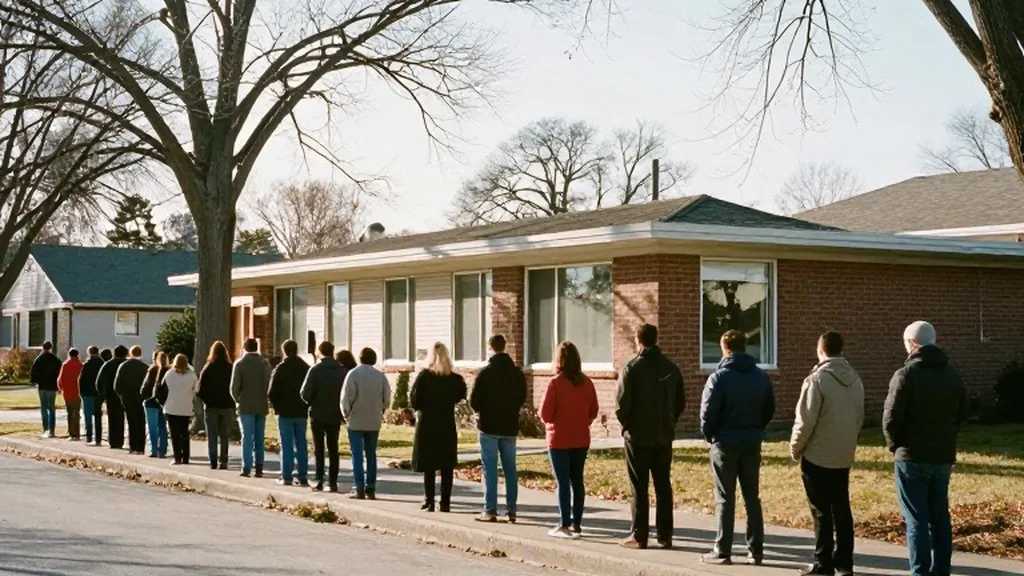
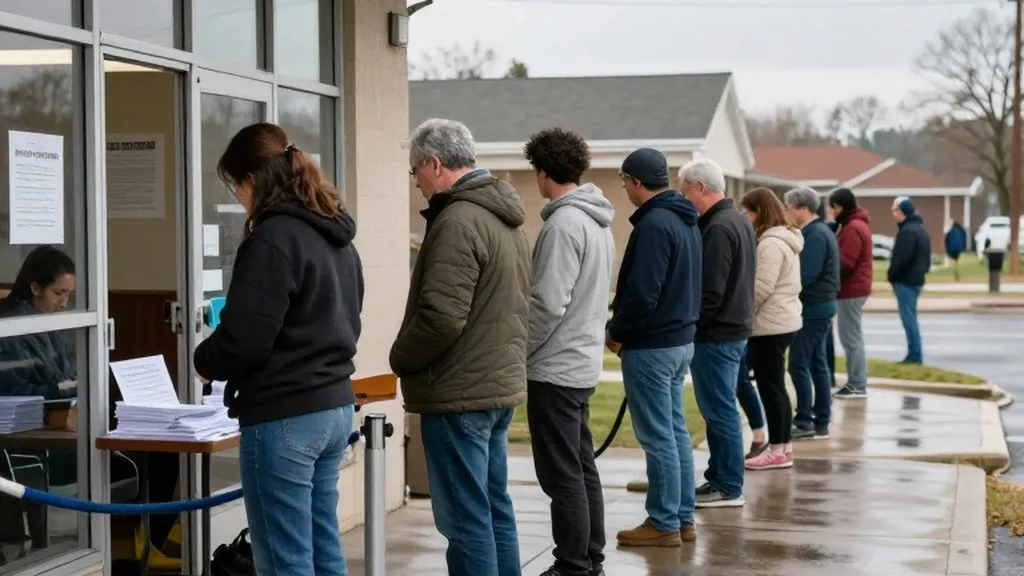
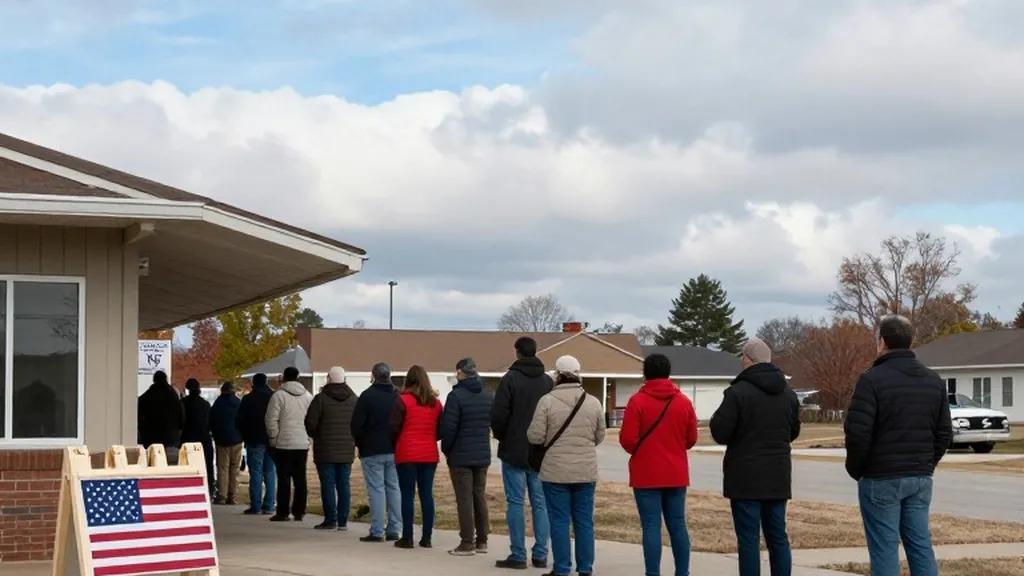
More than 57 million Americans have already cast their ballots, a number that surpasses the early vote totals from four years ago in many closely watched states. This surge in participation is the central dynamic of the 2026 midterm election, where the outcome of Congress will determine the balance of power for President Donald Trump's final two years in office. The Associated Press notes that voters are struggling with high prices and are angry over an unpopular war with Iran, creating a volatile environment for both parties. As polls open across the country, the focus shifts from who is running to whether enough supporters will show up to secure a majority in either chamber.
RNC Chairman Joe Gruters has framed the race entirely around attendance, stating that everything depends on turnout. He emphasized that if the Republican base turns out, they will win, a goal his party has been planning for for months. This view reflects a broader Republican strategy to hold the Senate while bracing for a potential loss of the House. The AP reports that Republicans are fighting to keep their Senate majority, knowing that they can lose only two seats to maintain control. Their ground game is designed to mobilize supporters in the 13 Senate battleground races that could tip the balance of power in Washington.
On the other side of the aisle, DCCC Chair Rep. Suzan DelBene describes the electorate as angry and eager for change. Democrats are cautiously optimistic, banking on the dissatisfaction with the cost of living to drive their voters to the polls. They need a net gain of four Senate seats to take a majority, a tall order given that Republicans hold 53 seats. The Democratic ground game is focused on the 46 battleground House districts and the governor races in states like Georgia and Nevada, where they hope to make gains. Both parties are treating the election as a referendum on the president's performance, with polls remaining open until the close of business in each state.
The Associated Press notes that one or two seats could tip either chamber, making every vote in the competitive districts critical. In the House, Democrats need a net gain of three districts to take control, while Republicans can afford to lose no more than two. The 46 battleground districts identified by Ballotpedia are the primary focus of these efforts. In the Senate, races in states like Maine, Iowa, and Kansas are seen as the most volatile. The AP highlights that economic strain and tariffs have made states like Maine particularly competitive, adding another layer of complexity to the turnout calculations for both parties as they work to close the gaps in their numbers.
President Trump has been actively engaged in the campaign, holding dozens of rallies to energize his base. He ended his recent schedule in Salina, Kansas, telling supporters to pretend he is on the ballot. His administration has also been involved in legal battles over voting procedures, including a lawsuit in Alaska related to the certification of the Senate result. These actions have raised concerns among Democrats about potential interference, while Republicans argue they are ensuring the integrity of the process. The focus on turnout is not just about volume but about reaching the specific voters who can swing the 13 Senate races and the dozens of House districts that will determine the next two years of congressional control.
The financial aspect of the election is also influencing turnout efforts, as the 2026 elections are likely to be the most expensive in history. Republican committees have outraised and outspent Democratic committees, helped by Trump-affiliated groups and Elon Musk. However, at the candidate level, Democrats have outraised their opponents. This financial disparity is reflected in the advertising, with 88.1% of Republican general election TV ad spending going to states and districts Trump won in 2024. The AP analysis of AdImpact data shows that more than $850 million was spent in areas where he won by 10 points or more, a strategy aimed at reinforcing the base rather than persuading moderates.
Voters on the ground are expressing their concerns about the economy, which remains a top issue. Mark Barker of Palm Beach Gardens, Florida, said he has been following Trump the whole time and thinks he is doing an awesome job. In contrast, James Moore, a 57-year-old librarian in Raleigh, North Carolina, cited higher taxes and healthcare costs as reasons for his vote. These personal narratives reflect the broader divide in the country, where the AP-NORC polling shows that 35% of U.S. adults approve of Trump's job performance. About 7 in 10 say the country is heading in the wrong direction, a sentiment that both parties are trying to capitalize on through their respective turnout strategies.
The election administration is also a factor, with a federal judge temporarily barring the Trump administration from carrying out a plan to prevent noncitizen voting. Critics argue this move risks disenfranchising eligible voters, while supporters say it is necessary to ensure accuracy. The U.S. Postal Service has added hours and staff to ensure mail ballots are counted on time, a logistical challenge that affects turnout in states where mail voting is common. As polls open, the focus is on whether these administrative hurdles will impact the final numbers or if the record early vote will carry the day for one side or the other. The results will determine who controls Congress and, by extension, the agenda for the final two years of the Trump administration.