Senate Stakes: 13 Battlegrounds Define Control of Congress
With 35 seats in play, Democrats need a four-seat net gain to seize the Senate, while Republicans can afford to lose only two, setting up tight races in states from Alaska to Texas.
By Chloe Zhao ·
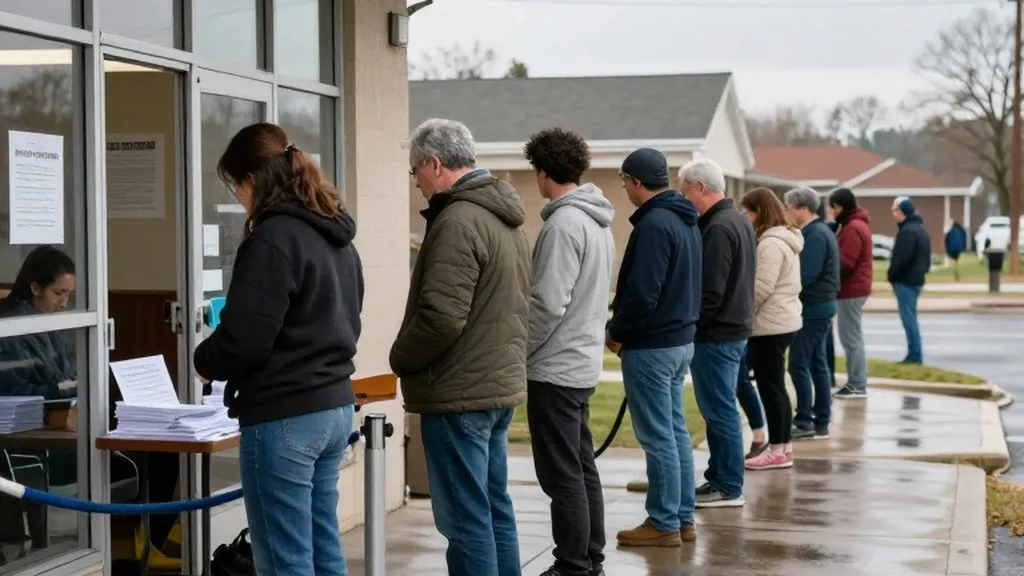
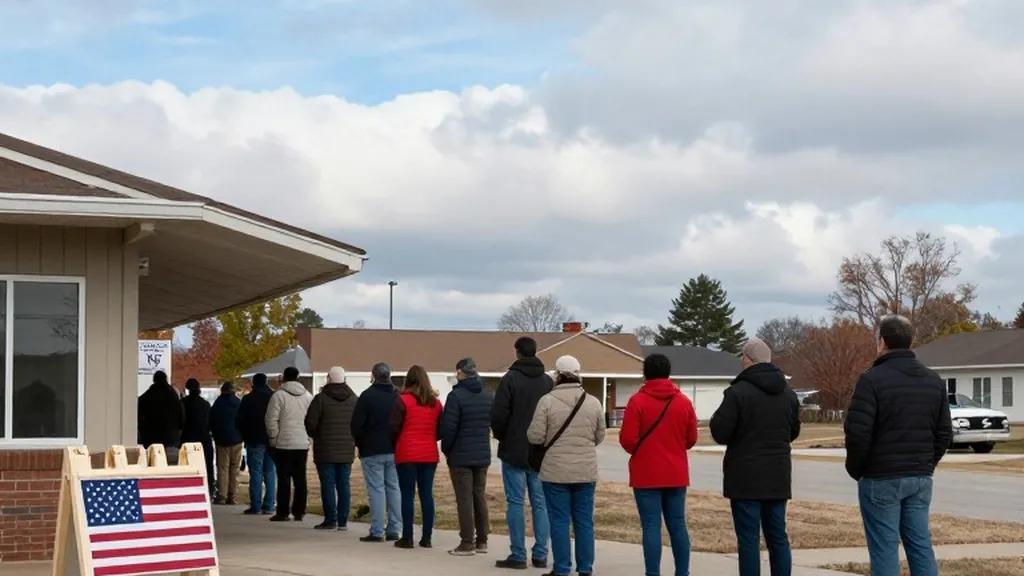
Voters across the United States are heading to the polls on Tuesday, November 3, 2026, to decide the balance of power in the U.S. Senate. This midterm election, occurring halfway through President Donald Trump's second term, will determine which party controls the chamber for the final two years of his administration. Thirty-five of the 100 Senate seats are up for grabs this cycle. This includes 33 regular elections and two special elections to complete the terms of Marco Rubio in Florida and JD Vance in Ohio. The outcome will shape legislative priorities and oversight powers for the remainder of the presidential term.
Republicans currently hold a 53 to 45 advantage in the Senate, with two independents caucusing with the Democrats. To achieve a simple majority, Democrats must secure a net gain of four seats. This requirement makes the race particularly difficult for the minority party. In contrast, Republicans can afford to lose only two seats to maintain their current majority. Eleven incumbent senators are not seeking reelection, creating open seats that often present competitive opportunities for the opposing party. The winners of these contests will begin their six-year terms on January 3, 2027.
Ballotpedia has identified thirteen Senate races as battlegrounds where the outcome is not yet assured. These contests span a diverse geographic and political landscape. In Alaska, Republican incumbent Dan Sullivan faces a challenge in a state that voted for Trump by a 13.1 percent margin in 2024. Florida, also a Trump stronghold with a 13.1 percent margin, features a special election for the seat previously held by Rubio. Georgia presents a tighter contest, where Democrat Jon Ossoff defends a seat in a state that went for Trump by 2.2 percent.
Several open seats add to the complexity of the map. In Iowa, Joni Ernst is retiring, leaving an open seat in a state that voted for Trump by 13.2 percent. Kansas sees Republican Roger Marshall running in a state that favored Trump by 16.2 percent. Maine, a state that voted for Kamala Harris by 6.9 percent in 2024, features Republican Susan Collins, who is widely viewed as a vulnerable incumbent. Michigan, which went for Trump by a narrow 1.4 percent margin, has an open seat following the retirement of Gary Peters. Montana, a Trump state with a 19.9 percent margin, is also an open seat after Steve Daines announced he would not run again.
Nebraska, where Pete Ricketts is the Republican incumbent, voted for Trump by a wide 20.3 percent margin. New Hampshire, a Harris state with a 2.8 percent margin, has an open seat after Jeanne Shaheen retired. North Carolina, which went for Trump by 3.3 percent, features an open seat following the retirement of Thom Tillis. Ohio, a Trump state with an 11.2 percent margin, is holding a special election for the seat held by JD Vance. Texas, which voted for Trump by 13.6 percent, is contesting the seat associated with John Cornyn. These thirteen races are the primary focus of national attention as polls begin to close.
Pollsters and political analysts have provided varying ratings for these contests as of late October. Maine is rated a toss-up by the Cook Political Report, Decision Desk, Inside Elections, and the Sabato Center. Iowa is viewed as a toss-up or leaning Republican, while Kansas is seen as a toss-up or leaning Republican. Alaska and Michigan are rated as toss-ups or leaning Democratic. Georgia is considered a lean or likely Democratic race. The AP and PBS have highlighted specific matchups in these states, noting that economic strain and tariffs have made Maine particularly competitive. In North Carolina, former Governor Roy Cooper is challenging former RNC chair Michael Whatley. In Georgia, Senator Jon Ossoff is facing Representative Mike Collins.
In Ohio, former Senator Sherrod Brown is running against incumbent Senator Jon Husted. In Michigan, former Representative Mike Rogers is competing against Abdul El-Sayed, whose former primary opponent Haley Stevens endorsed Rogers on Sunday. Texas features a contest between Republican Attorney General Ken Paxton and Democrat James Talarico, with Trump backing Paxton in the primary. In Maine, Senator Susan Collins is facing former state Senate President Troy Jackson. New Hampshire has a race between Representative Chris Pappas and former Senator John E. Sununu. Minnesota, though not always listed in the top thirteen battlegrounds, features a four-way race for the seat of retiring Senator Tina Smith, including Democratic Lieutenant Governor Peggy Flanagan and Republican Michele Tafoya.
The political mood on Election Day is characterized by a focus on the economy and a referendum on the Trump administration's performance. The Associated Press reports that voters are struggling with high prices and are angry over an unpopular war with Iran. An AP-NORC poll indicates that 35 percent of U.S. adults approve of Trump's job performance, while only 25 percent approve of his handling of the economy. Approximately seven in ten adults say the country is heading in the wrong direction. Republicans are bracing for potential losses in the House and are fighting to hold the Senate, with the AP noting that one or two seats could tip the balance in either chamber.
Early voting numbers have already surpassed those from four years ago, with more than 57 million people casting ballots by Monday. This high turnout is seen as a critical factor in the outcome. RNC Chairman Joe Gruters emphasized that everything depends on turnout, stating that if Republicans turn out their voters, they win. Conversely, DCCC Chair Suzan DelBene noted that the American people are angry and want change. The election is also a financial event, with the 2026 elections likely to be the most expensive in history. Republican committees have outraised and outspent Democratic committees, aided by Trump-affiliated groups and Elon Musk, though Democrats have outraised their opponents at the candidate level.