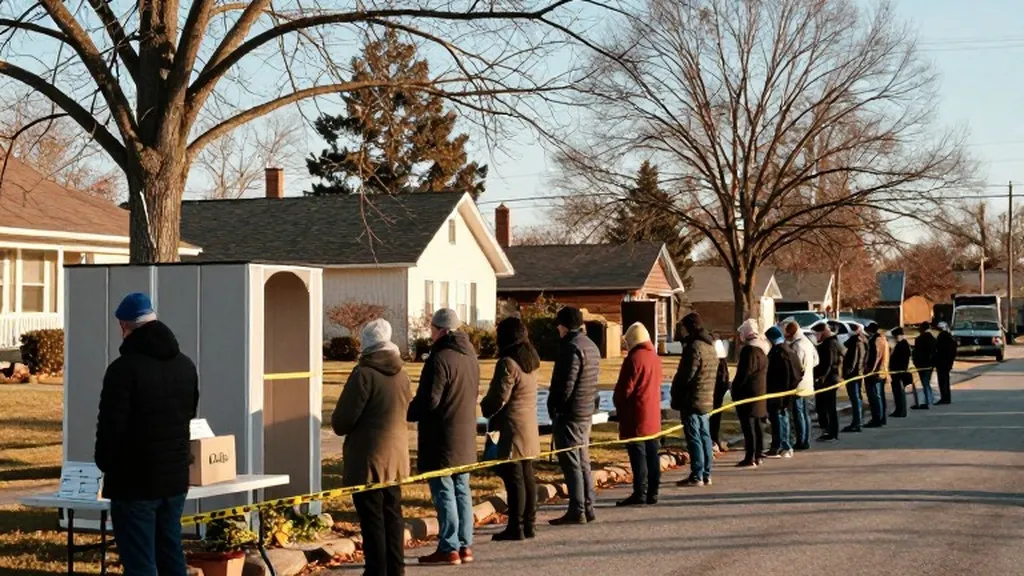
Prices lead voter concerns as AP poll shows Trump approval at 35%
With polls open, the Associated Press finds economic strain is the top issue, while turnout numbers already exceed those of 2022.
By Benjamin Bernard ·
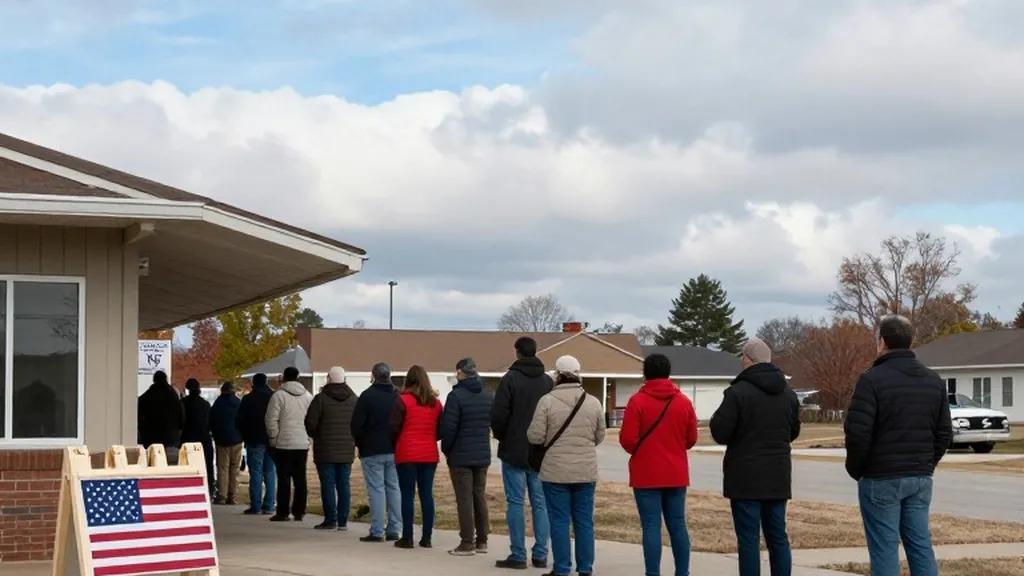
Election Day has arrived with the cost of living dominating the national conversation. The Associated Press reports that high prices are the primary concern for voters heading to the polls. This economic anxiety sits at the center of a midterm contest that will determine which party controls Congress for the remainder of President Donald Trump's second term.
The Associated Press and NORC Center for Public Affairs Research polling indicates that 35 percent of U.S. adults approve of the president's job performance. A slightly smaller share, 25 percent, approve of his handling of the economy. About seven in ten respondents said the country is heading in the wrong direction. Most of those voters blame the president for the rise in prices.
The economic mood is palpable in specific regions. In Raleigh, North Carolina, James Moore, a 57-year-old librarian, described the personal impact of inflation. He stated that he is paying more in taxes, more for healthcare, and more for everything else. His sentiment reflects the broader frustration cited in the AP survey. In contrast, Mark Barker of Palm Beach Gardens, Florida, expressed a more positive view. Barker said he has been following Trump the whole time and believes the president is doing an awesome job.
Turnout is a critical factor in this election. RNC Chairman Joe Gruters emphasized that everything depends on getting Republicans to the polls. He noted that if the party turns out its voters, they will win. Rep. Suzan DelBene, chair of the Democratic Congressional Campaign Committee, countered that the American people are angry and want change. The AP notes that Republicans are bracing to lose the House while fighting to hold the Senate. Democrats, meanwhile, are described as cautiously optimistic.
More than 57 million people had already voted as of Monday. This number surpasses the early vote of four years ago in many closely watched states. The high volume of early ballots suggests a strong baseline of participation. However, the final tally will depend on those casting ballots today. The AP notes that one or two seats could tip the balance in either chamber.
The Senate race is particularly tight. Ballotpedia identifies 13 competitive Senate races. In Maine, Senator Susan Collins is facing Democratic former state Senate President Troy Jackson. The AP notes that economic strain and tariffs have made the state competitive. In North Carolina, former Governor Roy Cooper is challenging former RNC chair Michael Whatley for the seat vacated by Thom Tillis. Tillis retired after clashing with the president. In Georgia, Senator Jon Ossoff is running against Representative Mike Collins.
The president has been active in campaigning, holding dozens of rallies. His schedule included stops in Mississippi, South Carolina, and Texas. He ended his rally circuit Sunday in Salina, Kansas, where he urged voters to pretend he was on the ballot. Many Republican candidates have kept a distance from the president during the final days of the campaign. This strategy is part of an effort to beat the typical midterm pattern where a president's party loses seats.
Money has played a significant role in shaping the campaign. The 2026 elections are likely to be the most expensive in history. Republican committees outraised and outspent Democratic committees at the committee level. This was helped by Trump-affiliated groups and support from Elon Musk. However, at the individual candidate level, Democrats outraised their opponents. An AP analysis of AdImpact data shows that 88.1 percent of Republican general election TV ad spending went to states and districts Trump won in 2024. This included more than 850 million dollars in areas where he won by 10 points or more.
Voters are also watching the administration's actions on election administration. A federal judge temporarily barred the Trump administration from carrying out a plan intended to prevent noncitizen voting. Critics argue this risks disenfranchising eligible voters. The administration also sued in Alaska and California related to election certification and ballot segregation. These legal moves have added a layer of complexity to the day's proceedings.
The stakes for the next two years are high. If Democrats win even one chamber, investigations and possible impeachment proceedings become likely. House Democratic Leader Hakeem Jeffries would be the first Black speaker and has outlined a 100-day agenda focused on the cost of living and oversight. A strong Democratic night would also boost potential 2028 candidates like Gavin Newsom, JB Pritzker, and Pete Buttigieg. For Republicans, a win would solidify their control and complicate the path for Vice President JD Vance.
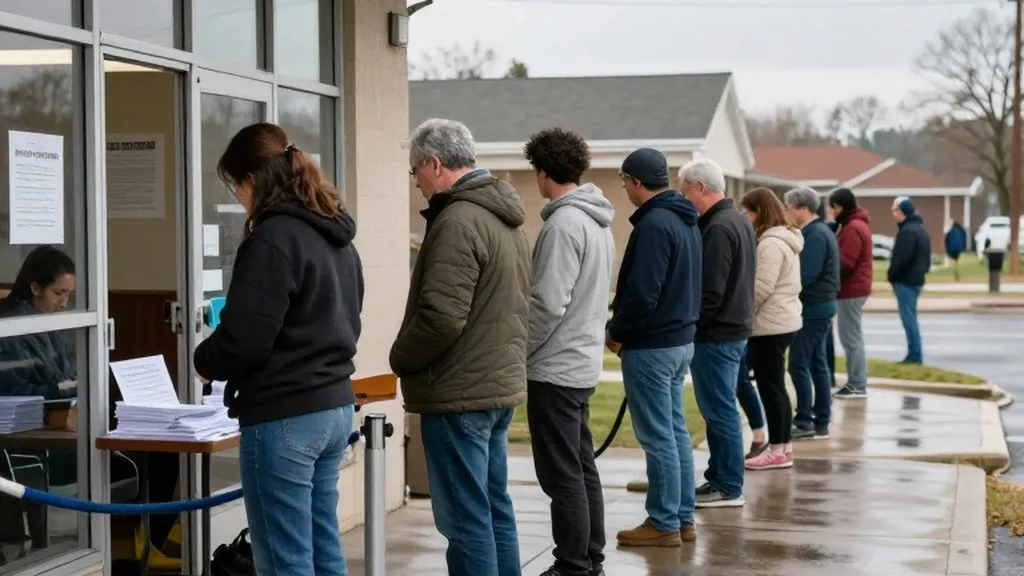
Polls are open across the country, and voters are casting their ballots to decide the composition of the government. The AP describes the election as a referendum on the president's second term. While the polls are closed in some states, the final results will provide a clear signal on how the electorate views the current economic landscape and the direction of the nation.