House control determines whether Jeffries leads 100-day oversight push
Democrats need a three-seat net gain to start investigations and cost of living reforms, while Republicans fight to maintain their Senate majority and protect 2028 prospects.
By Megan Greco ·
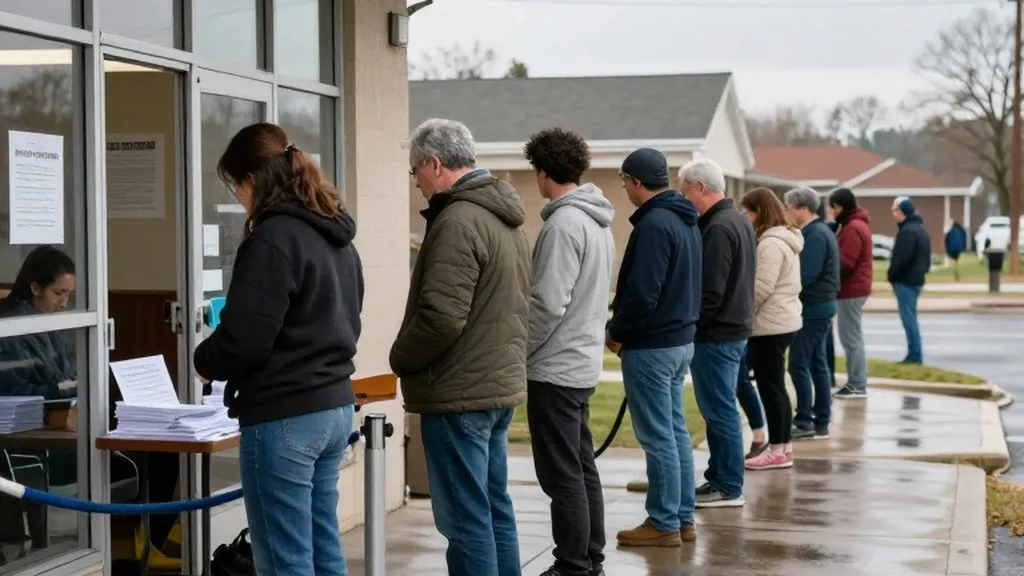
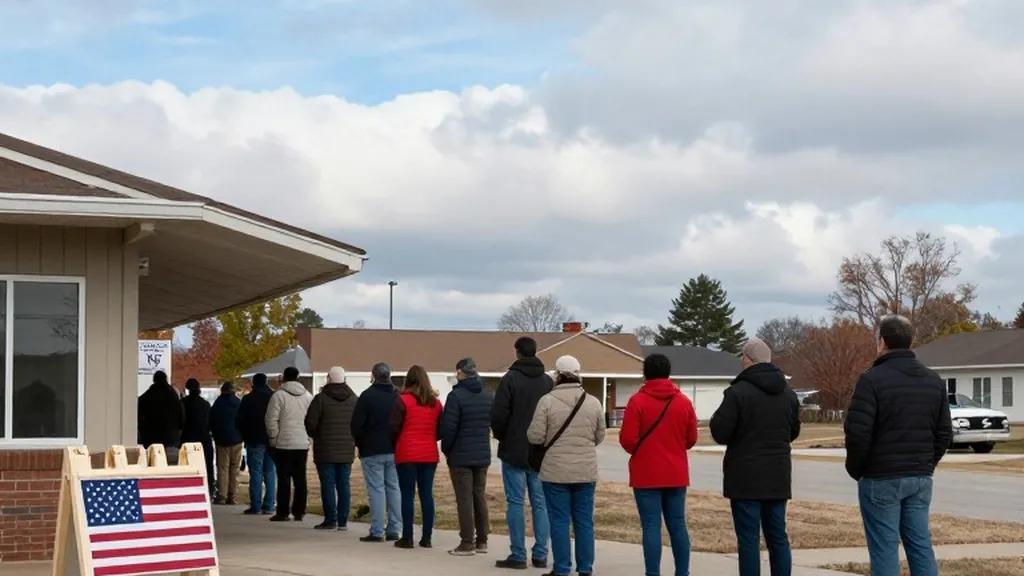
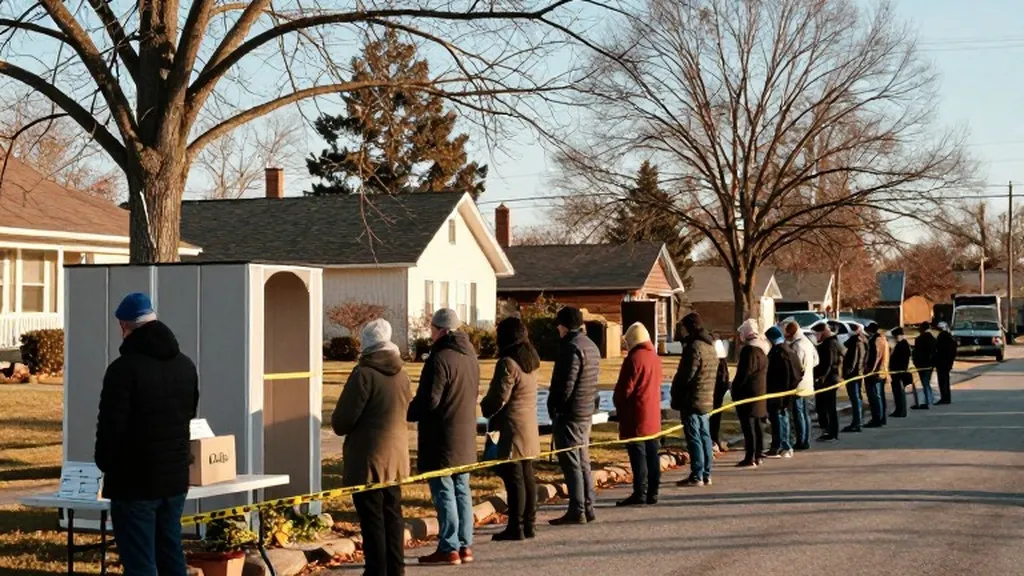
Voters across the nation are deciding the balance of power in the United States Congress on Tuesday, November 3, 2026. This midterm election marks the halfway point of President Donald Trump's second term, and the outcome will determine which party controls the legislative agenda for the final two years of his presidency. The stakes are high for both parties, as the results will directly influence the pace and direction of federal investigations, judicial nominations, and budget negotiations.
In the House of Representatives, all 435 seats are up for election. Republicans currently hold 218 seats, while Democrats hold 214, with one independent and some vacancies. According to Ballotpedia, Democrats need a net gain of three districts to secure a majority, whereas Republicans can afford to lose no more than two seats. This narrow margin means that the 46 battleground districts identified by Ballotpedia will likely decide the fate of the chamber. Twenty-one of these districts are currently held by Democrats, and 21 are held by Republicans.
The control of the House is particularly significant because it determines the leadership of the chamber. If Democrats win a majority, House Democratic Leader Hakeem Jeffries would become the first Black speaker in history. Jeffries has outlined a 100-day agenda that focuses on the cost of living and expanded oversight of the executive branch. This agenda includes detailed plans for investigations into current administration policies, a priority that has been a central theme in Democratic campaign messaging. A Democratic victory would also likely lead to the launch of formal investigations and potential impeachment proceedings, a prospect that Republicans have been bracing for.
In the Senate, 35 seats are contested, including 33 regular elections and two special elections for the remaining terms of Marco Rubio and JD Vance. Republicans hold 53 seats and Democrats hold 45, with two independents caucusing with the Democrats. Democrats need a net gain of four seats to take control, while Republicans can lose only two. The Associated Press notes that one or two seats could tip the chamber, making the race for the Senate incredibly close. Key battlegrounds include Iowa, Kansas, and Michigan, where polls are open and the outcome remains uncertain.
The Associated Press describes the election as a referendum on the president's second term, with voters expressing frustration over high prices and an unpopular war with Iran. A recent AP-NORC poll indicates that 35 percent of U.S. adults approve of the president's job performance, while only 25 percent approve of his handling of the economy. About seven in 10 respondents say the country is heading in the wrong direction. These numbers reflect a mood of economic anxiety that has driven voter turnout, with more than 57 million people having already cast their ballots as of Monday, surpassing early vote totals from four years ago in many states.
Republican committees have outraised and outspent their Democratic counterparts, aided by Trump-affiliated groups and billionaire Elon Musk. According to an Associated Press analysis of AdImpact data, 88.1 percent of Republican general election television ad spending went to states and districts that Trump won in 2024. This heavy spending in solidly Republican areas contrasts with the Democratic strategy, which focuses on competitive districts where every vote counts. Despite the spending advantage, many Republican candidates have kept their distance from the president, reflecting the difficulty of running on his popularity in a divided electorate.
The governor's races are also crucial, as 36 states are choosing their chief executives. Republicans currently hold 26 governorships, and Democrats hold 24. Democrats need a net gain of two governorships to achieve a nationwide majority for the first time since 2010. Battleground states include Georgia, where Republican Rick Jackson faces Democratic former Mayor Keisha Lance Bottoms, and Nevada, where incumbent Joe Lombardo runs against Aaron Ford. The Associated Press notes that Democrats hope to use these victories to boost the 2028 presidential prospects of figures like Gavin Newsom and Pete Buttigieg.
Election administration has been a point of contention, with the Trump administration filing lawsuits in Alaska and California related to noncitizen voting. A federal judge temporarily barred the administration from implementing a plan to prevent noncitizen voting, a move that critics say risks disenfranchising eligible voters. The U.S. Postal Service has added staff and hours to ensure mail ballots are counted on time, a critical step for states that rely heavily on mail voting. These administrative issues have added a layer of complexity to an already tight race, with both parties monitoring the process closely.
Wall Street is watching the results with interest, as Reuters notes that the outcome could impact investor confidence regarding AI spending and debt ceiling negotiations. A divided government may lead to more legislative gridlock, while a unified government could accelerate policy changes. The market reaction will likely depend on which party gains control and how they prioritize fiscal policy in the coming months. For now, the focus remains on the ballots in the box, as millions of Americans head to polling places to cast their votes.
The Associated Press reports that the election is being closely watched for its implications on the 2028 presidential race. A strong Democratic performance could enhance the viability of candidates like Gavin Newsom, JB Pritzker, and Pete Buttigieg, while potentially complicating the path for Vice President JD Vance. Conversely, a Republican hold on the Senate would provide a solid foundation for their 2028 nominees. The results of this election will set the stage for the next four years of American politics, making it one of the most consequential midterms in recent history.