Tesla Reports 1.74 Million FSD Users Using Compensation-Linked Metric
The automaker's latest shareholder letter reveals a counting method that aligns with executive bonus criteria, including past buyers in current subscription totals.
By Chloe Zhao ·
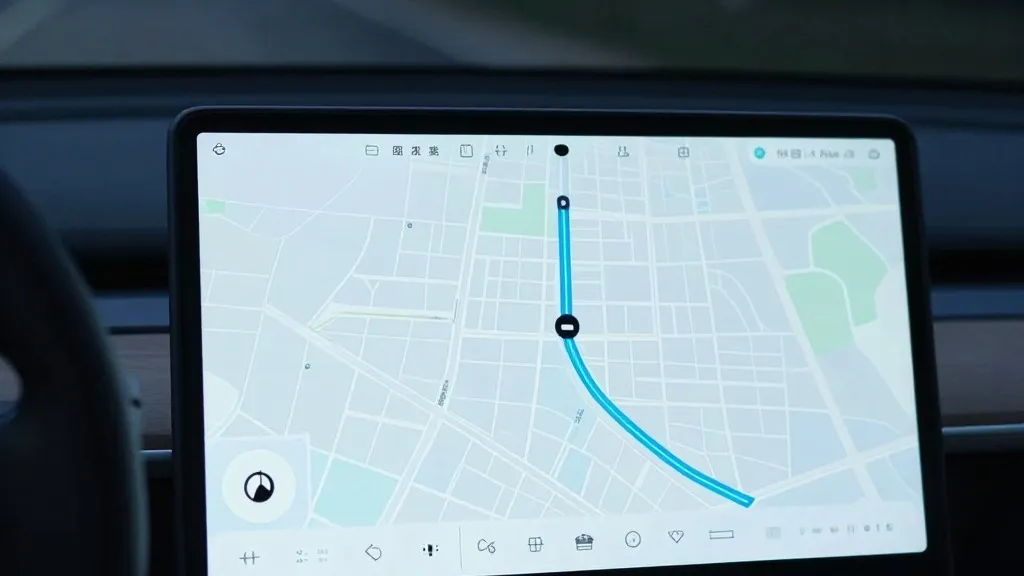
Tesla has disclosed that it now maintains 1.74 million active Full Self-Driving subscriptions, a figure that represents a 67 percent increase over the previous year. This total is derived from a specific definition outlined in the company's Q3 2026 shareholder letter, which aligns with the terms of the 2025 CEO Performance Award.
The metric includes both customers who pay a monthly fee and those who purchased the software upfront at any point in time. This approach allows owners who bought the feature years ago to be counted as current subscribers, provided their vehicles remain active. The only group excluded from this total is customers using free trial periods.
The method of calculation is significant because reaching ten million active subscriptions is a key operational milestone required for Elon Musk to earn portions of his 2025 pay package. The compensation structure consists of twelve tranches, each tied to specific market capitalization and operational targets. These targets include delivering twenty million vehicles, achieving one million Optimus robots in operation, and placing one million robotaxis into commercial service.
Tesla discontinued the sale of FSD as a one-time purchase on February 14, 2026. Since that date, new customers in the United States can only access the feature through a subscription model priced at $99 per month. However, the large base of owners who paid upfront prices that reached $15,000 continues to contribute to the total count as long as their cars are active.
In April of this year, the company reported a similar count of 1.28 million using this same definition. Six months later, Tesla has not clarified how many of the current 1.74 million users are paying the monthly fee versus those who bought the software in a single transaction. The lack of distinction between upfront buyers and monthly subscribers has drawn attention from analysts tracking the company's software revenue.
The shareholder letter also notes that more than 75 percent of new deliveries in North America included FSD subscriptions in Q3 2026. Tesla described this as a nearly twenty percentage point increase from the previous quarter. The company stated it believes FSD is driving demand in markets where the technology is available, though it did not define whether this attach rate includes introductory offers or accounts for customer retention after the initial purchase.
As of June 30, 2026, Tesla considered only one of the operational milestones in the pay package probable, which was the target of twenty million cumulative vehicle deliveries. The current cumulative delivery figure stands at 10.2 million. This number also follows the compensation-linked definition, which counts unsupervised robotaxis placed into commercial operation to match the pay package requirements.
Tesla added 260,000 net new FSD subscriptions in Q3, marking its best quarter for growth in the feature. If the company maintains this recent pace, it would take approximately eight years to reach the ten million target. If it adheres to the average growth rate of the last twelve months, which is about 700,000 per year, the timeline would extend to roughly twelve years. The compensation award remains in effect until 2035.
Next, investors and analysts will look for further clarification on the composition of these active subscriptions. The company will need to determine if it provides a breakdown of monthly payers versus upfront buyers in future reports. Until then, the 1.74 million figure remains the headline software metric for Tesla, calculated in a way that directly supports executive compensation benchmarks.
The situation highlights the intersection of corporate reporting and executive incentives. By counting all active users, including long-time upfront purchasers, Tesla presents a larger user base for its autonomous driving software. This approach ensures that the company's reported growth aligns with the specific criteria set by the board for the CEO's performance award, while the broader question of monthly recurring revenue remains less transparent.
Source: Electrek · original report published
More Business · Bad Business · Report a business · Got a Story?