Cybercab Customers Set to Take Delivery Before 2026 Ends
Tesla executives confirm that the steering-wheel-free robotaxi will begin reaching individual buyers in the final weeks of the year, though most units will remain company-owned.
By Chloe Zhao ·
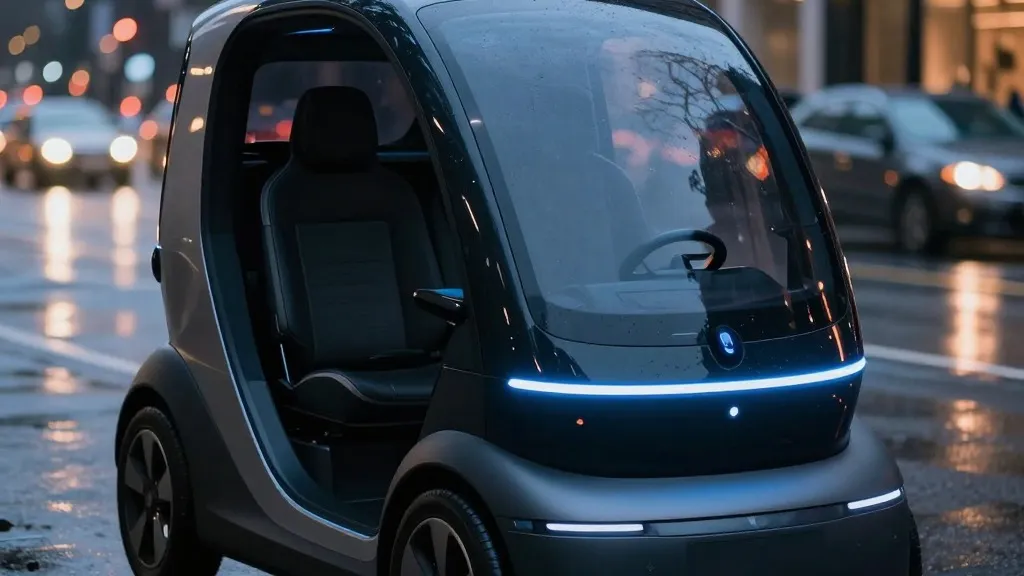
For the first time, potential buyers of Tesla’s autonomous two-seater have a concrete timeline. Following a recent earnings call, it is now clear that the Cybercab will start moving from the factory to private hands before the calendar year closes. This marks a significant shift from months of speculation about whether the vehicle would be widely available in the near term.
The announcement came during Tesla’s third-quarter 2026 earnings call on October 21. Lars Moravy, the company’s Vice President of Engineering, stated that the goal is to get Cybercabs into the hands of customers by the end of 2026. While production is actively taking place at the Gigafactory in Texas, Moravy clarified that every unit currently rolling off the line is being assigned to Tesla’s internal Robotaxi fleet rather than being sold to the public.
Private sales are expected to be limited in scale initially. Moravy explained that as the operation expands, Tesla will primarily distribute these fully designed autonomous vehicles to customers, with the Cybercab serving as the first example. The company intends to start with small delivery batches to build experience in logistics, ownership structures, and managing autonomous vehicles that are no longer under direct corporate control.
CEO Elon Musk reinforced the idea that the Cybercab is not intended to be a traditional personal vehicle. He described it primarily as a "transport-as-a-service" offering. Unlike the Model 3, Model Y, or the upcoming Roadster, which are designed for personal ownership, Musk noted that the vast majority of Cybercabs will remain Tesla-owned. This suggests that while customers can purchase the unit, the vehicle is optimized for shared, autonomous operation.
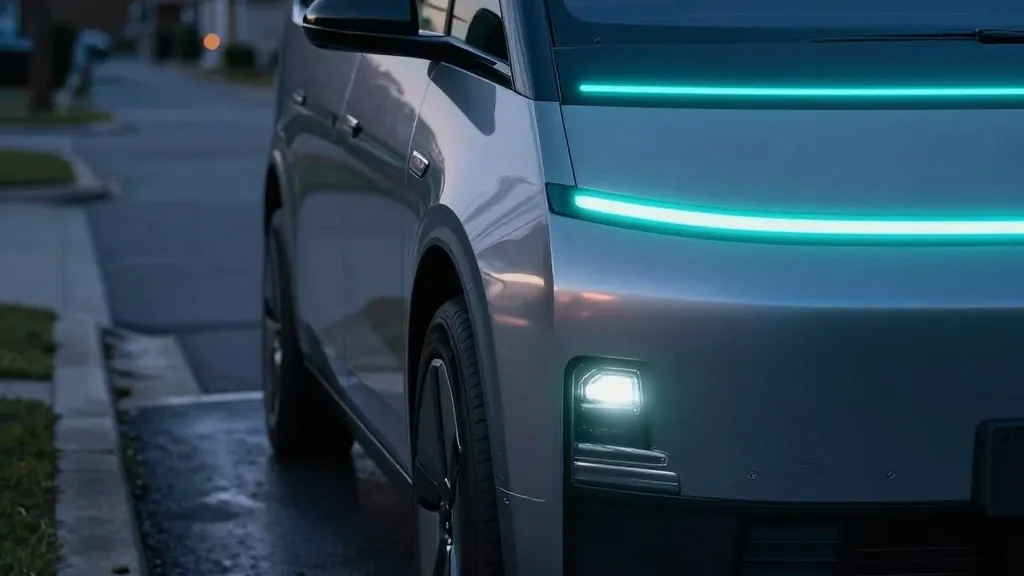
The Cybercab itself is a distinctive two-seater that lacks a steering wheel and pedals, relying entirely on Tesla’s Full Self-Driving software. Production began in February, and early units joined the public Robotaxi service in early September. Tesla has previously indicated a target price of approximately $30,000 for the vehicle.
Looking ahead, Ashok Elluswamy, Head of AI at Tesla, indicated that unsupervised Full Self-Driving capabilities are expected to ship to consumer cars during the second quarter of 2027. However, early Cybercab buyers or fleet operators may face geographically restricted autonomous operation due to regulatory lag. Despite the confirmed delivery date, several hurdles remain before the vehicles are fully operational in private hands.
This development signals that the transition from corporate fleet to private ownership is imminent, albeit in a limited form. As Tesla navigates the logistics of selling autonomous hardware, the Cybercab represents the first major test case for this new market segment in the Mid-Atlantic and beyond.
Source: Teslarati · original report published