Greece Officially Bans Social Media for Under-15s Starting Next Year
A new national law takes effect on January 1, 2027, requiring platforms like TikTok and Instagram to verify user ages to keep younger children offline.
By Benjamin Bernard ·
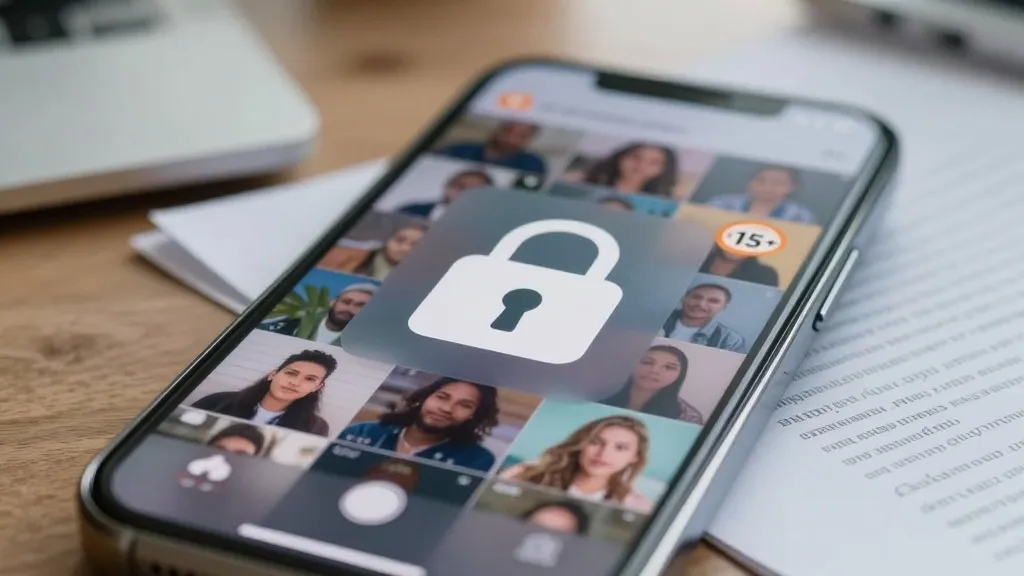
Greece has officially enacted a national ban on social media for children under the age of 15, a move that positions the country among the first in the European Union to implement such a restriction. The legislation, which received final approval from the parliament, is scheduled to go into effect on January 1, 2027. This regulatory step follows an announcement made earlier this year by Prime Minister Kyriakos Mitsotakis, who described the measure as a difficult but necessary step for the nation.
The new law targets major social platforms, specifically naming TikTok, Instagram, Facebook, and X. Under the regulations, these services are mandated to employ age-verification methods that are both proportionate and reliable. This requirement aims to ensure that minors below the threshold are effectively barred from accessing these digital spaces without proper oversight or parental consent mechanisms.
Dimitris Papastergiou, Greece’s minister for digital governance and AI, emphasized the urgency of the action taken by the government. He noted that inaction would have been the easiest path, waiting for a perfect European-level law to arrive. However, he argued that the challenge is immediate, stating that children are increasingly sinking into the internet daily. Papastergiou asserted that a responsible government is obliged to act now to address this growing issue.
Compliance with the new act is enforced through the existing EU Digital Services Act, which provides a framework for fines against non-compliant platforms. To assist families, the legislation requires parents to download state-backed applications known as Kids Wallet or Gov.gr. These apps must be paired with the child’s device to actively block access to social media platforms if the user is under 15.
The technical infrastructure behind this system relies on "age tokens," a concept highlighted by Minister Papastergiou. These tokens are designed to verify a user's age while minimizing the amount of personal data disclosed to platforms. This approach aims to protect privacy by allowing age confirmation without requiring the sharing of extensive personal information, thereby reducing the data footprint of young users.
The bill faced opposition from minority parties in the Greek parliament. However, Prime Minister Mitsotakis leveraged his majority government to push the legislation through, overcoming the dissent. This decision follows a previous national measure in 2024 that barred the use of mobile phones in schools, indicating a broader governmental trend toward regulating technology access for young Greeks.
Public sentiment appears to align with the new legislation. Opinion polls indicate that the social media ban for children is widely supported by the adult population in Greece. This domestic backing provides a strong foundation for the policy, even as it navigates the complexities of digital enforcement and international coordination.
Mitsotakis has stated that his government’s goal is to encourage the European Union to move in the same direction. This effort coincides with the recent introduction of the EU Kids Act by the European Commission. However, the EU proposal currently stipulates an outright ban only for children under the age of 13, making Greece’s under-15 threshold more expansive than the pending continental standard.
Internationally, Australia holds the distinction of being the first nation to enact a full social media ban for children. However, the implementation of age verification in Australia has proven challenging. Greece’s new law enters this global landscape with a specific focus on reliable verification methods, aiming to address the technical hurdles that have complicated similar efforts elsewhere.
As the January 2027 deadline approaches, the focus will shift to the practical application of the age tokens and the rollout of the mandatory parental apps. The success of the Greek model will likely be watched closely by other European nations and policymakers as they consider their own approaches to balancing digital access with child protection.
Source: Engadget · original report published