1,300 Acres Cleared: How Google’s AI Push in Finland Displaced Wolves into Villages
Unauthorized deforestation by Google has turned forest into mud, forcing local wolf packs to roam into neighboring settlements and sparking safety concerns among residents.
By Chloe Zhao ·
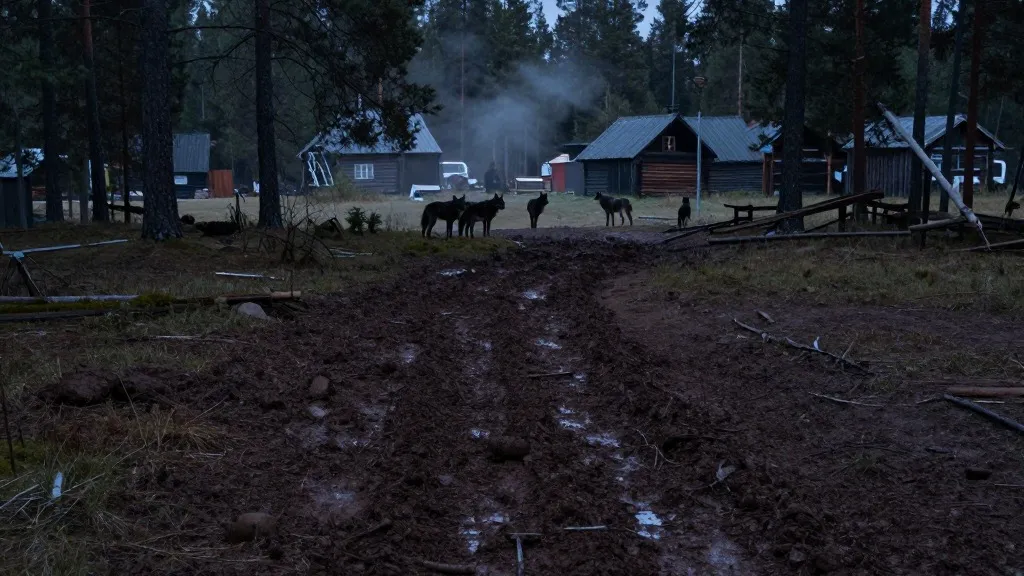
The race to build artificial intelligence infrastructure has reached a point where environmental shortcuts are causing tangible disruptions to local ecosystems. In the Finnish village of Otanmäki, residents are now facing a direct consequence of rapid development: wolves that once roamed the surrounding forests are increasingly entering the community.
This shift in wildlife behavior is linked to the extensive clearing of land by Google for its new AI data centers. The company’s Finland country manager has publicly apologized for the situation, acknowledging that 816 acres of forest near Muhos have been transformed into an expanse of mud. Additionally, regulators have ordered Google to halt work on another roughly 500 acres of cleared land, located 55 miles southeast of Otanmäki. Together, these sites represent a significant portion of the 1,300 acres of forest that has been disturbed or destroyed in the region.
The background of this dispute reveals a pattern of regulatory friction. Google appears to have moved quickly to establish its presence in Finland, potentially overlooking local environmental regulations in the process. The Finnish Licensing and Supervision Authority (LVV) issued an order to stop development in the Muhos and Kajaani areas earlier this month, a move that reflects growing tension between the tech giant and local oversight bodies. A representative from the Finnish Association for Nature Conservation (SLL) described the company’s flouting of environmental policy as unprecedented and clear, indicating that the scale of the disruption has caught many experts off guard.
Reactions from the local community highlight a mix of environmental concern and immediate safety issues. Anni Ranta, 53, whose family has lived in Otanmäki for generations, explained that the displacement of wildlife is forcing animals into human spaces. “We had wolves coming into the village because all the wild animals moved out of the forest,” Ranta stated. Beyond the ecological impact, Ranta voiced concerns that the U.S.-owned data centers might make Finland a more attractive target for Russian aggression, adding a geopolitical layer to the local frustration.
Residents are not only worried about predators but also about the general quality of their environment. Local reports cite complaints regarding construction noise, streams turning brown, and rare bird species being pushed out of their habitats. These issues are part of a broader global trend where AI data center developers face backlash over their environmental footprint, with similar concerns voiced in the United States and other countries. The situation in Finland, however, is marked by the specific physical transformation of the landscape into muddy wastelands, which has altered the natural barriers between wildlife and human settlements.
Despite the regulatory orders and local anger, Google maintains a cooperative stance. A spokesperson for the company stated that they will fully comply with the requests from the LVV and look forward to maintaining an active, open dialogue with authorities. The company aims to strengthen its partnership with Finland and local organizations, likely hoping that the promised business benefits of the data centers will sway both the government and regulators in its favor.
The next steps involve a period of halted construction while Google addresses the immediate concerns raised by the licensing authority. The company must now navigate the balance between meeting its AI infrastructure goals and remediating the environmental damage caused by the unauthorized clearings. For the residents of Otanmäki and Muhos, the focus remains on the practical effects of the mud and the displaced wolves, turning a corporate expansion project into a local safety and environmental issue.
This incident underscores the complex trade-offs involved in the global expansion of AI capabilities. As technology companies seek new locations for energy-intensive data centers, the interaction between industrial development and local ecosystems becomes a critical point of negotiation. The situation in Finland serves as a case study for how rapid technological growth can intersect with traditional land use and wildlife conservation, forcing both tech giants and local communities to adapt to the new landscape.
Source: Tom's Hardware · original report published