Congress Moves to Reassert Control Over Ukraine Support and Energy Policy
Bipartisan legislators introduce bills and inquiries to challenge executive decisions regarding Russian diesel imports and satellite communications for Kyiv.
By Benjamin Bernard ·
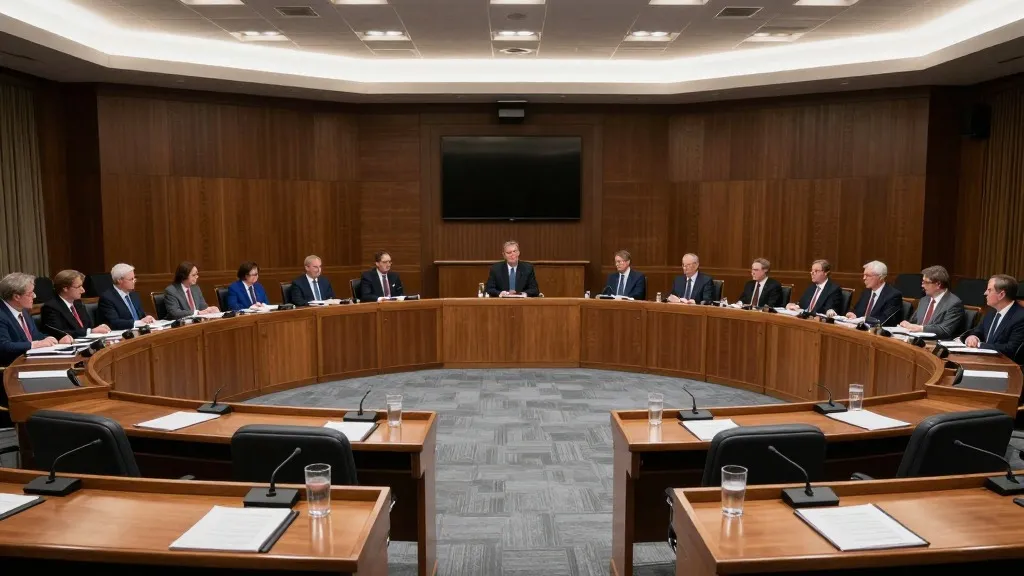
A bipartisan group of members of Congress is formally challenging the executive branch on two distinct fronts of the Russia Ukraine conflict. Lawmakers are pushing back against a recent decision to ease restrictions on Russian energy imports while simultaneously demanding guaranteed access to American satellite systems for Ukrainian military operations. Through new legislation and formal inquiries, these officials argue that unilateral actions by the administration could weaken US national security and undermine the role of the legislative branch in foreign policy.
The legislative effort is anchored by a new bill introduced by Representative Brian Fitzpatrick of Pennsylvania. Co-sponsored by Republican Don Bacon of Nebraska and Democrat Marie Gluesenkamp Perez of Washington, the measure would rescind a Treasury Department waiver issued on October 9. That waiver authorized transactions involving Russian diesel fuel, including imports into the United States. The bill sets a deadline of April 7, 2027, for the current waiver to expire and prohibits future similar authorizations. It also mandates that intelligence agencies support Ukraine and notify congressional committees within 24 hours of any service interruptions. The proposal is currently under review by three House committees.
President Trump defended the diesel waiver as a strategy to lower global prices by expanding supply. He announced the arrangement following discussions with Russian President Vladimir Putin, who agreed to provide more than 300,000 metric tons of diesel to US and global markets. Proponents of the bill, however, contend that importing Russian fuel contradicts a federal ban on Russian oil imports enacted in 2022. Fitzpatrick stated that the US should not import a single drop of Russian oil, while Bacon described the waiver as an example of presidential appeasement that Congress must check.
Simultaneously, eight lawmakers from both parties are pressing the Department of Defense to secure uninterrupted satellite communications for Ukraine. The group includes Representatives Marcy Kaptur, Fitzpatrick, and Mike Quigley, along with Senators Mark Kelly, Thom Tillis, and Elissa Slotkin. They have urged Defense Secretary Pete Hegseth to expand the Pentagon's contract with Starshield, a military-grade communication system. The lawmakers requested restored connection speeds and adequate coverage for operations over Russian territory. They suggested using the Defense Production Act to ensure that service decisions are not left solely to the discretion of private providers.
Ukrainian officials reported that restrictions introduced on October 13 disrupted communications for drones moving faster than 100 miles per hour. While Kyiv reported on October 24 that speeds had been restored, questions remain about the origin of the initial limits. A Ukrainian official noted that SpaceX had not explained the earlier disruptions to Kyiv, though the country has been in contact with the US government. President Volodymyr Zelenskyy stated that the limits persisted despite claims by President Trump that service had been restored after discussions with Elon Musk.
The satellite issue has sparked a broader debate within the Democratic caucus. Several members are seeking written answers from Musk, who claimed the military and the president decided on the restrictions. Senator Richard Blumenthal has demanded a response by November 5 and a briefing by November 12. Other lawmakers have asked White House chief of staff Susie Wiles for a government-wide investigation. Secretary of State Marco Rubio has denied that Trump or other senior officials ordered the restrictions. Senator Tillis recently wrote that those benefiting Putin by leaving Ukraine vulnerable should put their names on the decision.
These developments highlight a growing tension between the executive and legislative branches regarding the scope of presidential authority in wartime. By linking the diesel waiver and satellite access in their oversight, lawmakers aim to ensure that future decisions impacting Ukraine are subject to congressional review and transparent justification.
Source: RFE/RL
More Politics · World news · Report a business · Got a Story?