Supreme Court declines to halt California ballot count ahead of Tuesday election
High court rejected a Department of Justice bid to pause processing for 20,000 voters flagged as likely noncitizens, leaving state officials to finalize results with minimal time to spare.
By Benjamin Bernard ·
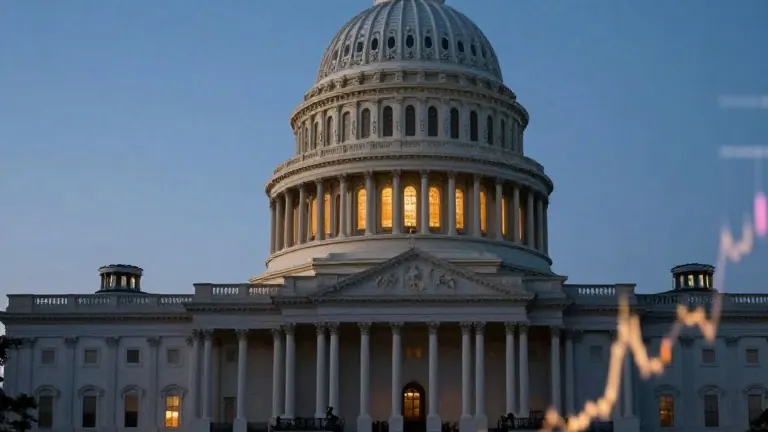
The United States Supreme Court denied a final request from the Department of Justice to intervene in California's election administration on Monday evening. The decision came just hours before Tuesday's election day, effectively allowing state and county officials to proceed with counting ballots as planned.
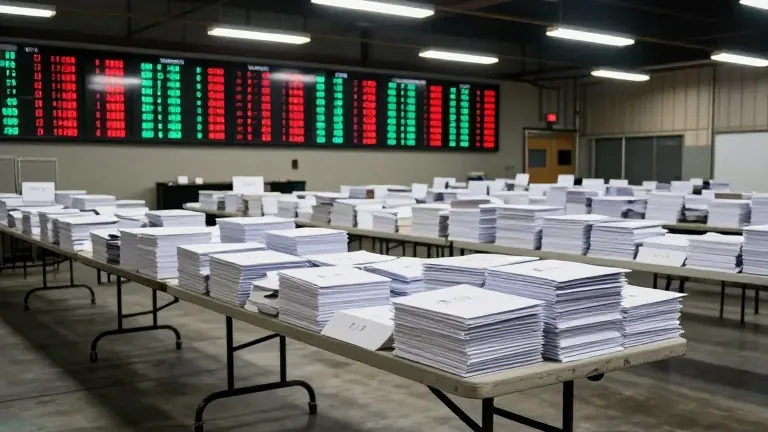
The Justice Department identified 20,000 individuals on California's voter rolls whom it classifies as likely noncitizens. The federal agency argued that these ballots should be segregated and held back until citizenship status could be verified. However, local election officials in Los Angeles County noted that the actual number of contested ballots is likely lower. Many names on the federal list belonged to individuals without active registrations or those who did not receive mailed ballots.
A team of data scientists from the University of California, Los Angeles, analyzed the DOJ list over the weekend under a separate court order. Their findings indicated that 42 percent of the names on the federal list do not appear on California's current voter roll. The analysis also confirmed that some naturalized citizens were included in the group flagged by the Justice Department.
Prior to the Supreme Court's refusal, a divided panel of the Ninth Circuit Court of Appeals rejected the department's emergency request on Friday. Judges Mark Bennett and Gabriel Sanchez wrote that altering election rules so close to the vote posed a material risk of disenfranchisement. They cited the Purcell principle, which advises against changing election rules on the eve of an election, and pointed to the National Voter Registration Act. That federal law prevents states from systematically removing ineligible voters within 90 days of a federal election.
Judge Patrick Bumatay, the panel's third member, filed a dissenting opinion. The dispute follows a temporary restraining order issued by a federal judge in San Francisco late Friday. That order barred the administration from threatening or coercing election officials regarding the processing of specific ballots. The federal government has since appealed that ruling.
The legal battle has intensified in recent weeks as the Justice Department sent subpoenas to California election officials. Federal prosecutors reminded state staff that they face potential criminal prosecution for allowing ineligible voters to cast ballots. A federal judge in San Francisco previously described the department's actions as a broad, ongoing pattern of attempted election interference.
Source: WUFT
More Business · Bad Business · Report a business · Got a Story?