Israel's Knesset vote leaves nation in deadlock as counting drags on
Election officials expect a final count by tomorrow afternoon, setting the stage for a six-week scramble to build a governing majority.
By Chloe Zhao ·
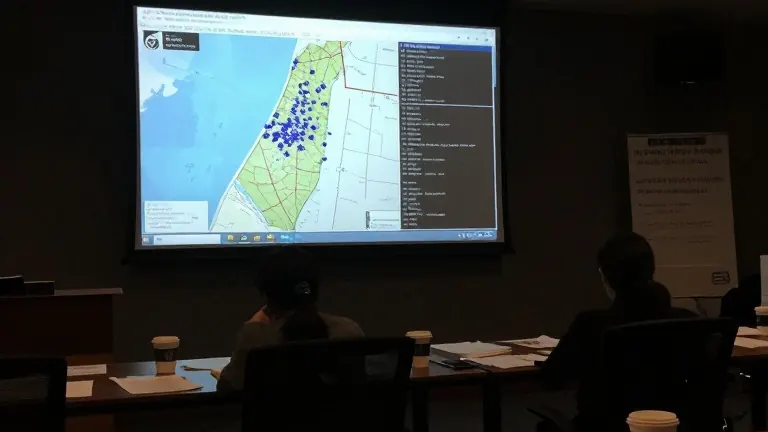
Israelis voted on Wednesday in a national election that has left the country without a clear winner. With the majority of ballots counted, the race between Prime Minister Benjamin Netanyahu and opposition leader Gadi Eisenkot remains a deadlock. Neither side has secured the 61 seats required to command a majority in the 120-member Knesset.
The lack of a decisive outcome stems from the strong performance of Arab-led parties. These lawmakers appear ready to back Eisenkot, but his center-right camp has historically resisted forming a coalition with them. That resistance creates a stalemate, as Netanyahu's right-wing bloc also lacks the numbers to govern alone. The situation follows the October 7 attacks, which intensified mistrust between political factions and complicated potential partnerships.
The mood in Israel has swung sharply since the polls closed. Early exit polls showed Eisenkot ahead, sparking celebrations at his campaign headquarters. Supporters like Mayan Eshel expressed optimism about a new era of democracy and peace. By the time voters went to bed, many believed Eisenkot held the advantage. Overnight, the count shifted in Netanyahu's favor. This morning brought a renewed uncertainty as the numbers tightened.
Both candidates addressed their bases in the early hours of the morning. Eisenkot delivered a speech that sounded like a victory address. He warned Netanyahu not to use Israel's security for political gain. Specifically, he cautioned against striking Iran during the transitional period. Netanyahu has campaigned on the promise of such a strike. Netanyahu told his supporters he would attempt to form the next government. He said the nation needs a strong right-wing administration.
Election officials expect to finish counting all votes by Thursday afternoon. The candidate who emerges ahead will receive the first opportunity to form a governing coalition. That candidate will have six weeks to assemble a majority. The next weeks will likely see intense negotiations as both men try to recruit defectors from the opposing camp to reach the 61-seat threshold.
The Knesset has not faced such a tight margin since the last election. The current standoff forces both leaders to find new allies in a fragmented political field. The final result will determine who holds the first shot at building a government capable of passing legislation.
Until the count is complete, both Netanyahu and Eisenkot remain in a holding pattern. The next 48 hours will determine which side gains the initial mandate to begin coalition talks.
Source: WUWF