
NASA panel flags 22 refuels for Starship moon mission
SpaceX declined three Space Force launch offers while Spain’s PLD Space set a 2027 target for its Miura 5 rocket.
By Chloe Zhao ·
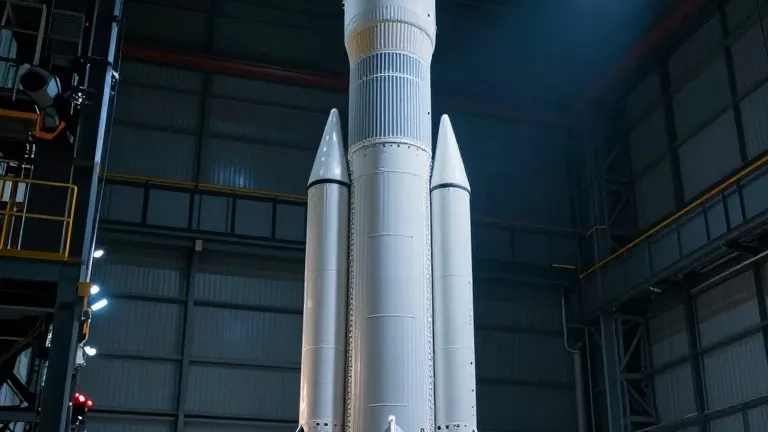
A NASA safety panel indicated that SpaceX’s Starship may require up to 22 separate refueling operations to support a lunar landing mission. The estimate, released this week, outlines the logistical demands of the proposed architecture. It suggests the vehicle will need frequent in-space transfers to reach the moon.
The refueling figure emerged alongside a separate update from the US Space Force. According to the October 23 Rocket Report, SpaceX declined three military launch contracts. The company reportedly told the Space Force "thanks, but no thanks" regarding the offers. This decision represents one of two notable developments for the firm this week.
In Spain, PLD Space confirmed that its Miura 5 rocket is nearing final integration. The company targets a first launch before mid-2027. Aviation Week reported that the small-lift vehicle is currently in its final build stages. One second stage is fully integrated and located at the Teruel test facility.
PLD Space CEO Raúl Torres stated that three Miura 5 vehicles have been built. He explained that the other two are intended to qualify key system elements. Torres noted on October 19 that manufacturing all three allowed teams to work continuously. "Manufacturing these three vehicles has allowed our teams to work continuously across different stages of production and integration, applying the lessons learned from each qualification campaign directly to the launch vehicle," he said.
The Teruel facility is preparing for a qualification campaign that includes a wet dress rehearsal and a static hot-fire test. These steps allow system-level testing under representative operating conditions. The data from these tests will inform the readiness of the inaugural flight vehicle.
In Canada, startup Reaction Dynamics announced it seeks to raise $350 million. The funding would expand the workforce from 68 employees to more than 350. The company is developing the Aurora small-lift rocket, which it hopes to reach orbit in 2028. It also plans a medium-lift vehicle named Borealis, targeted for debut by 2031.
The simultaneous updates illustrate shifting dynamics in the global launch market. SpaceX is selective with its military workload, while European and Canadian firms accelerate their development timelines. PLD Space’s progress on the Miura 5 places it among a growing group of providers aiming for commercial and national launch capabilities.
Source: Ars Technica