Humanoid Robotics: Tesla Delays Optimus External Launch to Late 2027
The automaker cites persistent hardware and AI challenges, pushing back its timeline for selling robots to industrial clients while competitors advance their own production schedules.
By Megan Greco ·
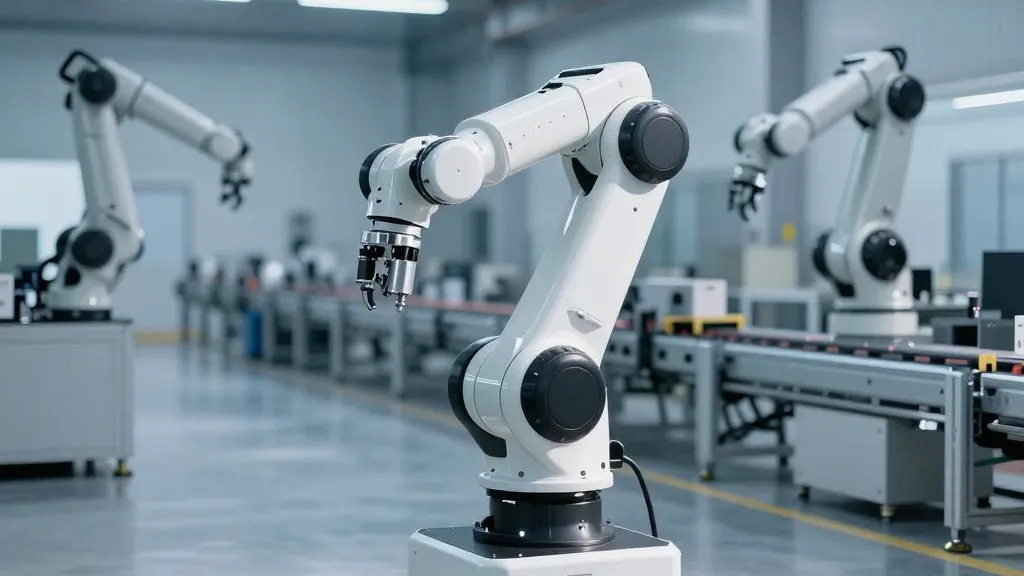
Tesla has officially pushed the timeline for delivering its Optimus humanoid robots to external customers to the end of 2027. During the company’s Q3 2026 earnings call, CEO Elon Musk indicated that significant hurdles remain in the robot’s hand design, overall durability, and artificial intelligence capabilities. This delay follows a pattern of shifting timelines, as Musk had previously targeted high-volume external production for 2026.
The company has initiated early production of the Optimus on its high-volume line in Fremont, California, a facility previously dedicated to Model S and X manufacturing. While most of the infrastructure for a million-robot annual capacity is installed, Musk stated that reaching a rate of approximately 20,000 units per week will take at least a year, potentially longer. This is due to ongoing design changes, particularly in the electromechanical components and reliability engineering needed to ensure the robots do not wear out after a month of industrial use.
Musk identified the robot’s hands as the primary hardware challenge. Tesla engineers noted that the fingers must be soft enough to handle delicate objects yet durable enough to withstand constant wear, a problem compounded by the fact that robots cannot heal like human skin. On the software front, Tesla is still refining its AI architecture. Lacking a fleet of robots to collect data like its cars do for Full Self-Driving, the company plans to build 10,000 to 20,000 units to practice tasks in an internal facility called the Optimus Academy. The AI5 chip is scheduled for integration around April 2027.
Competitors are making comparable or faster progress, challenging Musk’s assertion that no one is close to Tesla’s level of development. XPeng activated an automated production line for its IRON robot in September, with over 80% of core processes automated. The company targets mass production by late 2026 and deliveries to stores and malls in the first half of 2027. Meanwhile, Boston Dynamics began producing its electric Atlas in January and has secured all 2026 deployments, including partnerships with Google DeepMind. Hyundai is deploying Atlas at its Georgia plant, with plans for 25,000 robots across its facilities in coming years.
Tesla’s Q3 shareholder letter now describes the units leaving the Fremont line as the first "production-quality" bots, implying that previous iterations did not meet this standard. The company had ramped production to hundreds of units weekly in the prior month, but reports indicated the robots struggled with generalizing to new tasks. The hand and forearm assemblies contain over 100 small parts assembled by hand, and touch sensors have faced reliability issues.
Musk promised a video within the next month or two showing Optimus performing unscripted tasks, aiming to distinguish Tesla’s progress from competitors’ scripted demonstrations. However, the repeated slippage in timelines has raised questions among investors about the feasibility of the late-2027 target. While Tesla may build the most robots, the industry consensus is that making them useful and reliable remains the primary barrier to market entry.
Source: Electrek · original report published
More Business · Bad Business · Report a business · Got a Story?