Bolsonaro Ties Lula To Milei
In a tight race ending Sunday, the two Brazilian presidential rivals clashed over debt, crime, and the cost of living during a final televised debate.
By Chloe Zhao ·
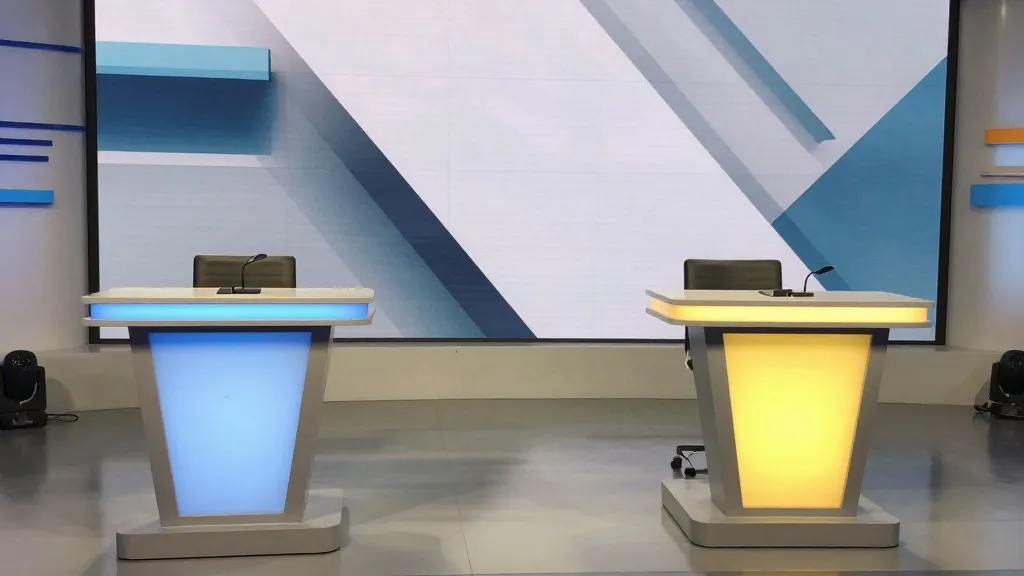
The final presidential debate in Brazil ended with the two leading candidates statistically tied at fifty percent, a figure that signals an incredibly close race heading into Sunday's runoff. This new data from the Datafolha institute, released just two days before the final vote, erases the four point lead that the right wing challenger held in polls published only two weeks ago. The shift places the election in a state of high uncertainty as both camps prepare for their last days of campaigning.
President Luiz Inacio Lula da Silva and Senator Flavio Bolsonaro met on Friday in Rio de Janeiro for the last scheduled debate of the campaign. Broadcast on TV Globo, the event served as the final major media appearance for both men before voters head to the polls. The exchanges focused heavily on specific policy differences regarding the national economy, infrastructure needs, and the strategy for regional development across the country.
A central theme of the debate was the government's budget. The incumbent president criticized his opponent's plan to significantly cut public spending, a proposal described by Bolsonaro as taking a chainsaw to the books. Lula drew a direct comparison between this approach and the policies of Argentina's libertarian president, Javier Milei. He used the analogy to frame the proposal as a radical and potentially destabilizing move for the Brazilian economy.
Bolsonaro immediately turned the comparison against the incumbent. He argued that the current administration has left the country in a state of near bankruptcy, making drastic measures necessary. The senator stated that he would have the same job as Milei in Argentina because the country is being left financially broken. This exchange highlighted the deep divide between the two sides on how to manage the national debt.
The candidates also traded accusations regarding the state of public safety and the cost of living. The right wing challenger accused the president of allowing organized crime to expand and of pushing families into debt through high prices. Lula, who is recognized as Brazil's first working class president, responded by attacking his rival's personal background and experience. He claimed that Bolsonaro does not know what hunger is and that he does not truly know Brazil.
Bolsonaro pressed back on the personal attacks, asking why things are so expensive to justify his platform of change. He positioned himself as a capable candidate who stands for a fresh start. The senator emphasized his readiness to lead the country and his desire to shift the direction of the nation's governance. This contrast between experience and renewal was a key part of his pitch to undecided voters.
The debate was notably more diplomatic than the first meeting between the two on the previous Sunday. Despite the generally calmer tone, the session still featured several tense moments and personal attacks. One such moment occurred when Bolsonaro used the nickname Nine Fingers to refer to Lula. The term is pejorative and references an accident Lula suffered while working as a metalworker earlier in his life.
Lula, who is eighty years old, demanded an apology for the use of the nickname. Bolsonaro offered one, which helped de-escalate that specific part of the exchange. The president then counterattacked by calling his rival a vigilante. This was a reference to allegations that Bolsonaro has ties to paramilitary groups in Rio de Janeiro. Bolsonaro responded by stating he would classify such groups as narcoterrorists, a label that suggests a more aggressive approach to law enforcement.
Another heated exchange involved the mother of a five year old child killed in a shootout. The incident included a police officer whose lawyer was Bolsonaro. The candidate stated that he does not believe his client was guilty in the case. This discussion brought a personal and emotional weight to the debate, highlighting the stakes of the upcoming vote for ordinary citizens.
With the polls showing a tie, both candidates are expected to join their supporters on the streets of Rio de Janeiro and Sao Paulo for their final campaign push. The next two days will be critical as both sides attempt to mobilize their bases and persuade undecided voters. The final vote will take place on Sunday, determining the next leader of the world's largest economy in South America.
Source: Al Jazeera
More Politics · World news · Report a business · Got a Story?