Shift From Factory Floor To Delivery App Decides Brazil Presidency
Economic changes have fragmented the traditional working class, forcing Lula and Flávio Bolsonaro to compete for voters who now prioritize flexibility over collective security.
By Megan Greco ·
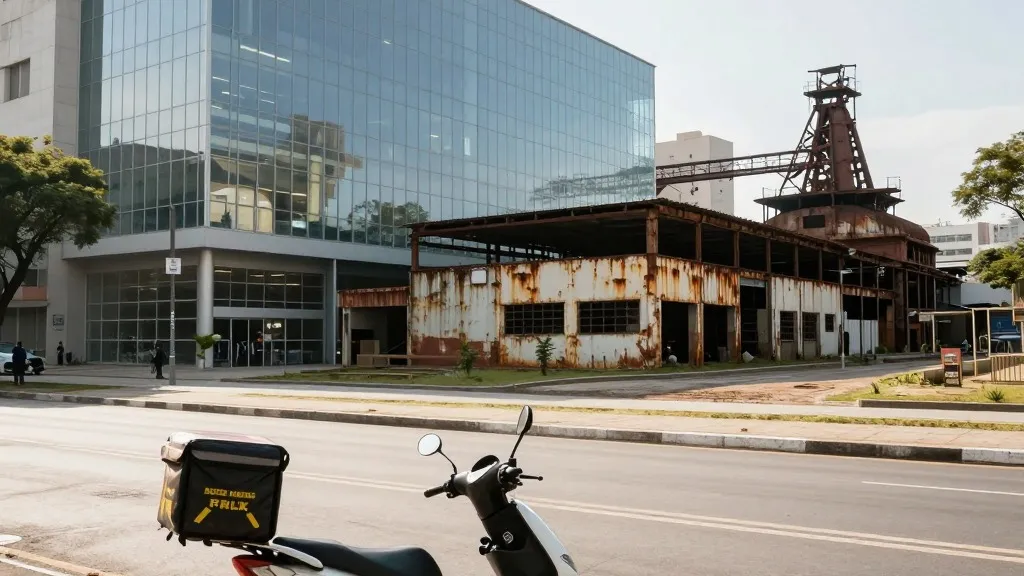
The way millions of Brazilians earn a living has fundamentally altered the stakes of the upcoming presidential runoff. Ordinary voters are no longer defined by steady factory jobs. Instead, many rely on gig work and small trade. This economic shift is creating a new political reality that neither candidate can ignore as the second round approaches on Sunday. The contest is now a battle for a fragmented electorate that values personal freedom over traditional labor protections.
The transformation is most visible in cities like Osasco. Once a hub for heavy industry, the area is now known as a tech and retail center. Former metal and textile factories have vanished. In their place stand large shopping malls and offices for delivery platforms. Gilberto Almazan, a local union leader, describes this as a move out of the Middle Ages. He notes that the industrial base that once supported the left has largely disappeared. This structural change is reshaping voter alignment in key swing areas.
Osasco voted for President Luiz Inácio Lula da Silva in 2022. However, the municipality shifted its support to Flávio Bolsonaro in the first round of this year’s election. This flip illustrates the broader national trend. Flávio Bolsonaro won the first round nationally. Since 1989, every candidate who has won the first round has gone on to become president. The momentum now favors the right, driven by a working class that feels less attached to the old industrial model.
Many Brazilians now work as drivers, couriers, or independent traders. Almazan calls this trend the Uberization of work. These workers often prefer the flexibility of their own schedules over the collective bargaining and welfare programs associated with Lula’s legacy. Richard Lapper, a biographer of both Lula and Jair Bolsonaro, notes that Brazil industrialized late and deindustrialized early. This rapid transition has made the economic effects particularly sharp for the average citizen.
Despite these challenges, macroeconomic indicators show progress under Lula’s current term. Unemployment has reached a record low. Brazil has also been removed from the United Nations Hunger Map. Yet, many voters do not feel this improvement in their daily lives. Lapper points to a crisis of expectations. Rising prices, household debt, and high interest rates are eroding the benefits of lower unemployment. A civil servant named Robson blames the government’s mismanagement for the heavy tax burden. A hot dog seller named Tairine, who previously abstained, now plans to vote for Bolsonaro. She cites a lack of visible change since Lula returned to office.
Flávio Bolsonaro is proposing a platform focused on reducing government size. He wants to cut spending, eliminate ministries, and lower some taxes. He has stated he will keep several of Lula’s flagship welfare programs. He has also faced accusations of corruption, which he denies. Voter participation remains a concern. In the first round, thirty-three million people did not vote. This marks the highest abstention rate since 1998. The low turnout suggests a significant portion of the population is disengaged or uncertain.
Lula’s campaign is responding with aggressive street mobilization. The team is organizing massive rallies, particularly among students. One event in São Paulo reportedly drew about one million people. Aerial footage of these crowds has spread widely online. Lula, who is eighty years old, is also using social media to counter claims that he is past his prime. He has referred to himself as the king of selfies. His message is one of resilience and continued relevance despite his age.
For the poorest Brazilians, Lula’s record still carries weight. In the Maré favela in Rio, Lula won despite above-average abstention. Vitoria, an eighteen-year-old mother, supports him because of the minimum wage increase and free medicines. She is skeptical of Bolsonaro’s plan to designate the Comando Vermelho gang as a terrorist organization. She fears police raids similar to those in Rio last year, which killed more than one hundred and thirty people. Another resident, Andreza Dionísio, blames last-minute polling station changes and a general sense of hopelessness for the low turnout in her area.
Religious institutions are also playing a growing role. About a quarter of Brazilians now attend evangelical churches. These congregations are filling service gaps with childcare, employment advice, and food assistance. Pastor Silas Malafaia, who is under investigation for allegedly obstructing the coup trial of Jair Bolsonaro, says Flávio Bolsonaro shares the church’s values on family and abortion. He calls the probe politically motivated. However, the first round results looked more like a rejection of Lula than a strong endorsement of his rival. Almazan fears there will never be another Lula. The outcome may depend on whether voters believe Lula can offer a new story that resonates with this changed working class.
Source: BBC News
More Politics · World news · Report a business · Got a Story?