Two Gadgets Banned Over Hidden Huawei Chip
The FCC invoked a new rule to block sales of a dashcam and video transmitter based on the silicon inside, not the brand name.
By Chloe Zhao ·
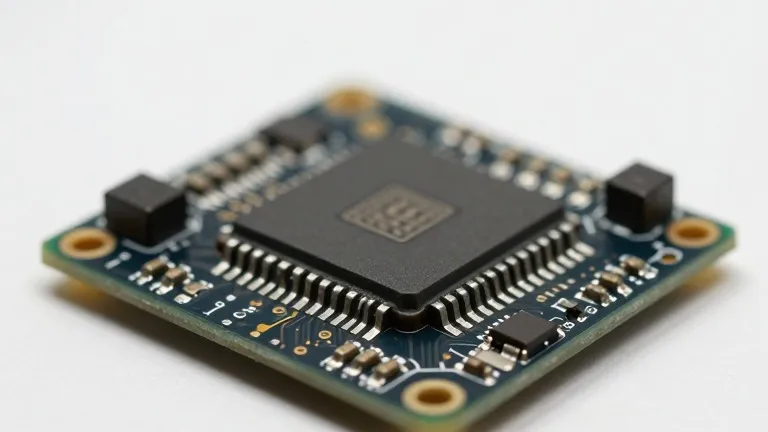
The Federal Communications Commission has prohibited two consumer electronics from US shelves.
The ban covers a dashboard camera and a wireless video transmitter. It is the first time the agency has used a newly adopted rule to act against specific chips rather than product models. The devices were blocked because they contain a HiSilicon Smart Vision system on a chip. HiSilicon is a subsidiary of Huawei, which appears on the FCC's Covered List of entities posing a national security risk.
The chip at the center of the ruling is the Hi3516CV610 UHD Smart Vision. It is designed for surveillance hardware and vehicle cameras. The component includes WiFi, Ethernet, video encoding hardware, and an Arm Cortex-A7 processor. It also features a neural processing unit for artificial intelligence functions. The FCC cited the NPU as a logic-bearing smart component made by an entity on the Covered List.
According to the chip's data sheet, the Intelligent Video Engine uses a built-in multimodal large model. This allows the device to track objects like pets, faces, and parcels across video frames. The agency argued that this same AI capability could be used to survey US citizens and log faces for foreign surveillance. This approach closes a loophole where rebranded products with Chinese parts could bypass restrictions based on brand names.
Huawei has a history of US regulatory friction. The company previously used shell companies to have TSMC manufacture AI chips despite US export restrictions. That controversy contributed to earlier product bans. The new rule aims to prevent similar issues by targeting the silicon directly. It means a ban no longer requires tracking every regional variant or revision of a product.
Reactions to the decision have been divided. Some observers called the move protectionist. Others questioned whether the FCC's authority extends to wired devices. A commenter noted that the Communications Act of 1934 directs the agency to protect both wired and wireless communications. Another argued that regulating silicon was necessary given the variety of product revisions available in the market.
The two banned products can no longer be sold or marketed in the United States. The decision rests on the presence of the Hi3516CV610 chip within the hardware. The FCC did not issue a similar ban for other devices containing the same component in this initial action.
Source: Tom's Hardware