Spain's Daily Set Lunch Prices Rise to 14.70 Euros Amid Structural Shifts
New research traces the origin of the menu del day to Franco-era tourism policies and identifies rising costs and changing demographics as key pressures on the tradition.
By Benjamin Bernard ·
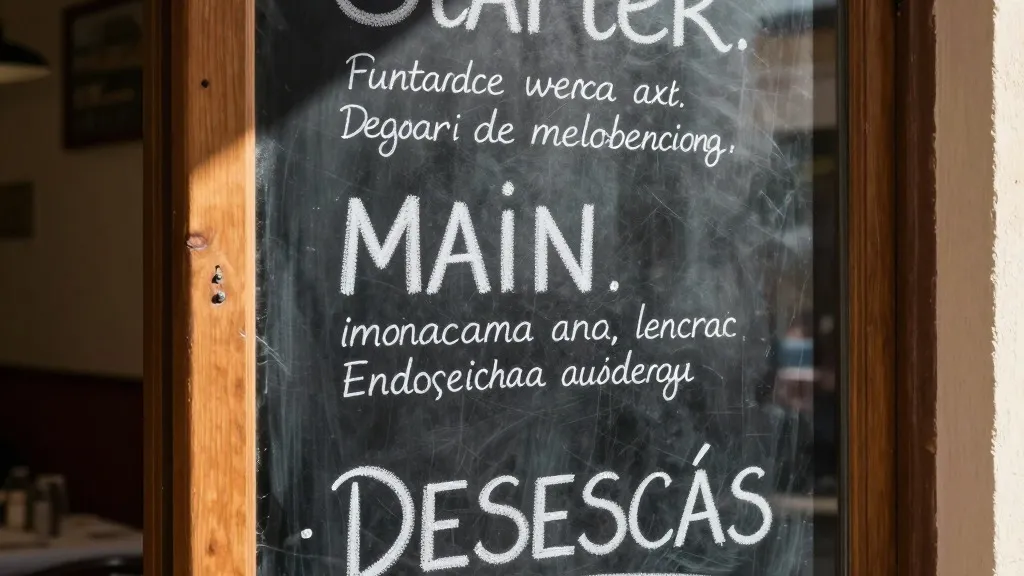
The traditional Spanish daily set lunch, known as the menu del dia, is experiencing a shift in both price and cultural relevance.
The average cost for this three-course meal has reached 14.70 euros, a figure that reflects rising energy and food costs for small, family-run establishments. These economic pressures force many owners to reduce the scope of their offerings. Some restaurants have moved away from rotating daily choices and now serve a single dish of the day. Others have adjusted their menus to include Latin American staples, aligning with the changing demographics of their local customer base.
The origin of the menu del dia is rooted in state policy rather than organic culinary tradition. In the mid-1960s, Manuel Fraga, the information and tourism minister under the dictatorship of Francisco Franco, created the format to demonstrate to foreign visitors that Spanish food was plentiful and affordable. The law required establishments to provide a soup starter, a main course of egg, fish, or meat selected from at least three options, and a pudding of fruit, sweets, or cheese. Prices were fixed between 50 and 250 pesetas, and the accompanying quarter-litre of wine had to be a pure, clean, and pleasant Spanish red or white with at least 12% alcohol content.
The format was renamed in the early 1970s to encourage domestic consumption and distance the meal from its tourist-oriented roots. Today, approximately 4 million of these meals are served each weekday, though the habit is losing ground. Ferran Adria, a renowned Spanish chef, declared the tradition dead in 2009, citing economic downturns and the rise of bistro-style restaurants. However, recent analysis suggests that verdict was premature, as the menu continues to serve as a central part of daily life for many Spaniards.
Lakshmi Aguirre, a Spanish food journalist, explores the history of this tradition in her book, Menu del Dia: Everyday Scenes of a First Course, a Second Course and Pudding. She notes that many Spaniards are unaware of the menu's origin under Fraga. Aguirre stated that when she mentioned the minister during her research, many people reacted with shock. She described this reaction as evidence that Spaniards forget their recent history quickly. She argues that the menu reflects the evolution of Spanish society and that nostalgia for the format is growing as people realize it is fading.
The shift in eating habits contributes to the decline in regular usage. Many working individuals choose quick lunch options, bringing food from home or using supermarket ready meals due to time constraints. Aguirre describes the menu as a meeting point for families with limited means and people who live alone. She emphasizes that the value of the meal lies in the time it allows for enjoyment, not just the ability to pay for it. The tradition remains a fixture in Spanish dining, though its future depends on the ability of small restaurants to maintain affordability amidst rising operational costs.
Source: The Guardian