
NASA shifts Moon landing architecture
The space agency confirmed new docking procedures for SpaceX and Blue Origin to keep the 2028 lunar mission on schedule.
By Benjamin Bernard ·
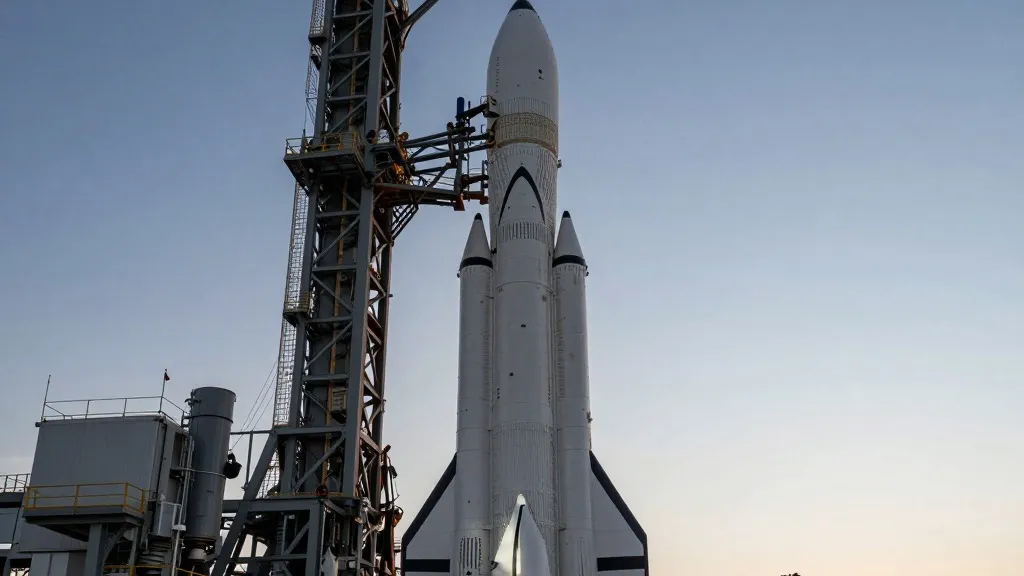
NASA has long promised to return humans to the Moon, but the specific mechanics of how that happens have shifted frequently in recent years. On Friday, the space agency held a detailed news conference to outline its current strategy for sending astronauts back to the lunar surface as early as 2028.
This presentation marked the first time officials have laid out these revised plans in full public detail. While some elements have been previously reported, the agency officially acknowledged significant changes to the mission architecture. These adjustments aim to streamline operations and address technical hurdles that have plagued the program for some time.
The most notable change involves the partnership with SpaceX. Under the updated plan, the Orion spacecraft will dock with the Starship lunar lander in high-Earth orbit. This docking will occur before the vehicles transit to the Moon. Previously, the plan required a more complex maneuver near the Moon, which engineers had flagged as problematic.
The blueprint for Blue Origin also sees a distinct shift. The agency’s revised architecture includes four launches of the New Glenn rocket for the mission. Crucially, this version of the plan does not require refueling between spacecraft in space. There is also a provision for the Blue Moon lander to rendezvous with Orion in low-Lunar orbit, offering a different operational path than previously discussed.
Officials are maintaining their current timeline for the upcoming missions. They anticipate launching Artemis III, a demonstration mission involving docking with both the Blue Moon and Starship vehicles near Earth, by the summer of 2027. The agency is still tracking toward a 2028 launch for Artemis IV, which would involve the actual landing of astronauts on the lunar surface.
NASA Administrator Jared Isaacman emphasized the agency’s confidence in this revised path. He stated, “This is an achievable path we are on right now.” Isaacman added that the agency has the mandate, resources, and stakeholder support necessary to execute these plans as intended.
The leadership team has taken a hard look at every element of the Artemis Program to facilitate progress. They sought changes that would help the lunar lander companies accelerate their development and execution. The goal is to remove obstacles that could delay the return of humans to the Moon.
The decision to remove the requirement for a near-rectilinear halo orbit docking was a major request from SpaceX engineers. In meetings held in early 2026, SpaceX officials noted that the old plan required more energy and presented other difficulties. The earlier cancellation of the Lunar Gateway earlier this year effectively solved this specific problem for the SpaceX team.
With these architectural changes now public, the focus turns to execution. The agency must hold to these dates while the partner companies adjust to the new requirements. The coming months will test whether this streamlined approach delivers on the promise of a lunar return by the end of the decade.
Source: Ars Technica · original report published