22 Starship launches: New figure emerges for lunar fueling mission
A former astronaut revealed that NASA officials now estimate 22 orbital transfers are needed to refuel the lunar lander, a significant jump from earlier projections.
By Benjamin Bernard ·
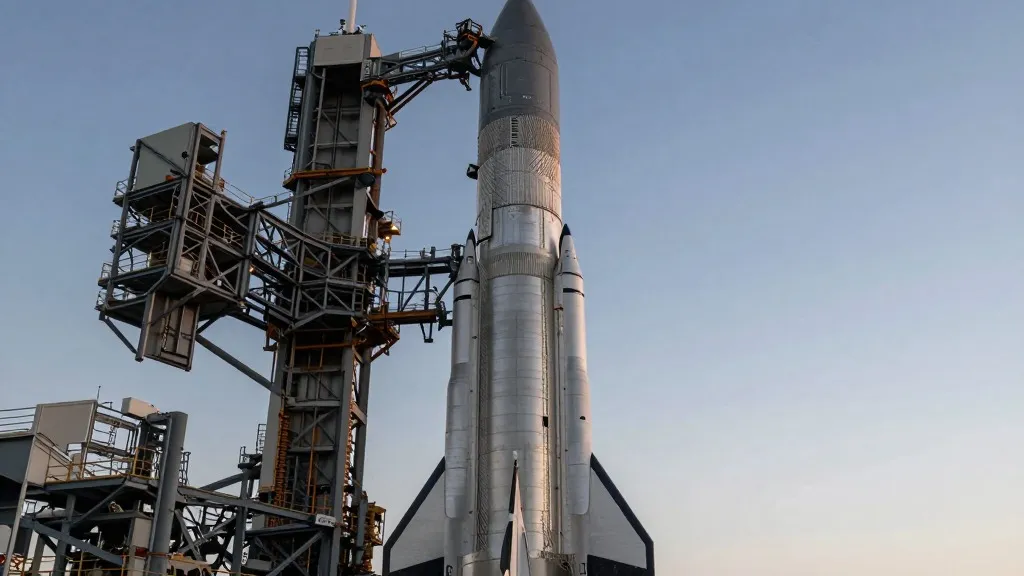
A specific, previously guarded estimate has finally surfaced regarding the logistical requirements for NASA's return to the Moon. During a quarterly meeting held on Thursday, the Aerospace Safety Advisory Panel discussed the complexities of the Artemis program, with panel member Charlie Precourt, a former NASA astronaut, highlighting the risks associated with landing humans on the lunar surface. The discussion centered on the volume of propellant necessary for the Starship-based lunar lander.
The core of the new data is a figure of 22 Starship launches. This number represents the estimated count of orbital transfers required to assemble a fuel depot in low-Earth orbit. Once sufficiently loaded with liquid oxygen and methane, the depot would allow the Starship lander to depart for the Moon, land, and return to lunar orbit. This estimate marks a sharp departure from earlier, more optimistic projections that suggested the number of required tanker flights would be significantly lower.
For years, NASA has treated this metric with a level of secrecy comparable to nuclear codes. The agency has consistently declined to provide a precise number, often citing the evolving nature of the engineering challenges. In 2023, Lisa Watson-Morgan, then the director of NASA’s Human Landing System, told Ars Technica that the agency had a "general idea" but was reluctant to commit to an exact figure. She later described the requirement as being in the "high single digits to the low double digits," which implied approximately a dozen launches.
Other officials had previously suggested the number might reach the "high teens." The underlying hope across the program was that SpaceX would dramatically improve the lift capacity of the Starship rocket, thereby reducing the number of tanker flights needed to fuel the lander. However, concerns are growing among some NASA officials that these capacity improvements may not materialize soon enough to allow Starship to play a meaningful role in returning humans to the Moon within the current decade.
The logistics involve a complex process where a "depot" Starship is launched first, followed by multiple "tanker" Starships. Under the older estimates, this might have required 11 tanker flights to fully load the depot. The new estimate of 22 total launches implies a more substantial burden on the launch cadence. This shift underscores the technical hurdles facing the program as it moves from planning toward execution.
The revelation comes at a critical juncture for the Artemis program. The number of launches required to support a crewed lunar mission is a key metric for determining the program's feasibility and timeline. As the agency works to integrate SpaceX's Starship into its lunar architecture, the gap between initial hopes and current estimates is becoming a focal point for risk assessment.
Precourt’s comments during the panel meeting drew attention to the operational risks inherent in the fueling process. The move from a double-digit estimate to a figure exceeding 20 signals that the engineering margins for error are tighter than previously thought. This development provides a clearer, albeit more challenging, picture of the resources required to achieve the goal of landing people on the Moon again.
As the agency prepares for the next phases of the Artemis campaign, this new baseline will likely influence scheduling and resource allocation. The transition from vague assurances to a concrete number of 22 launches offers stakeholders a specific target, though one that highlights the substantial lift capacity still needed from the Starship vehicle to ensure the program stays on track for its decade-long goals.
Source: Ars Technica · original report published