Proton and Nord enable two distinct modes for Windows split tunneling
The new controls allow users to either include or exclude specific applications from the encrypted connection.
By Benjamin Bernard ·
Proton and Nord have released Windows updates that give users granular control over which applications route through their VPNs.
Split tunneling has existed in many VPN clients for years, but the new features change how users manage those rules. The feature allows specific traffic to bypass the encrypted tunnel while other data remains protected. This design addresses common complaints about speed loss and location masking. Gamers often exclude their games to reduce latency. Users checking local movie times can bypass the VPN to ensure ticketing apps reflect their actual geographic location. The update also helps users connect to smart home devices and printers on local networks, which sometimes struggle to communicate through a VPN connection.
A standard VPN creates an encrypted bridge for all data. This bridge prevents internet providers and other devices on the same Wi-Fi network from viewing online activity. Split tunneling sends selected traffic around this bridge. The most common version of this feature is app-based. Users can keep a banking app protected for security while letting a weather app run outside the VPN. This ensures forecasts reflect the real location rather than the spoofed one provided by the VPN. Some services also offer URL-based split tunneling, which sets rules by domain name. Route-based and policy-based tunneling also exist, but these are less common in consumer software and are mostly relevant to people managing other users.
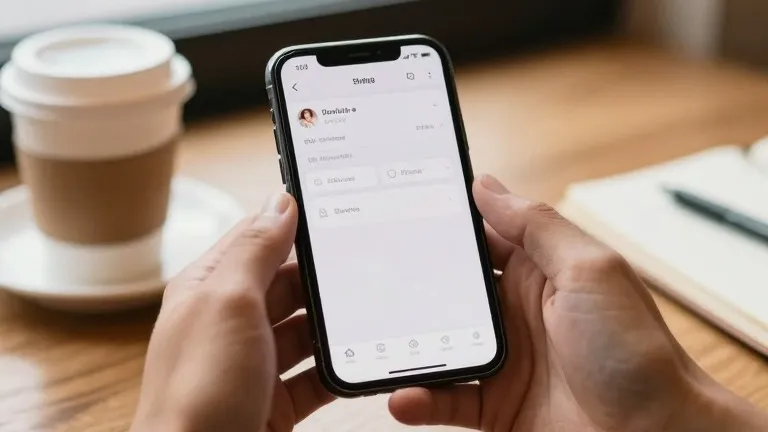
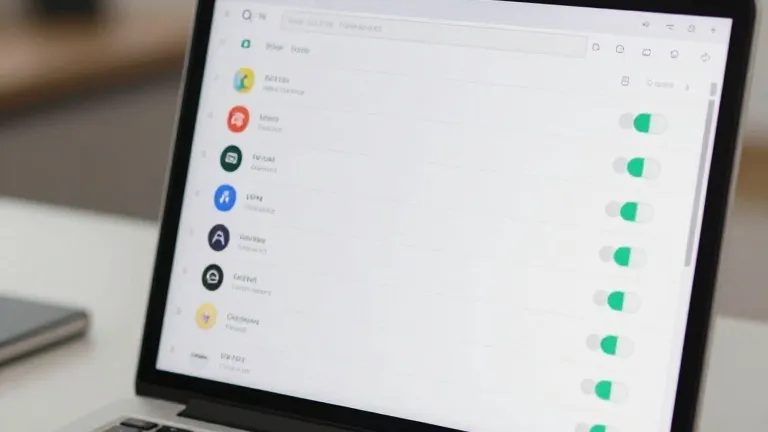
The setup process varies slightly between providers. In ProtonVPN for Windows, a split tunneling link appears on the right side of the main console. This link sits alongside options such as a kill switch and port forwarding. Once enabled, users can pick apps to include, with everything else excluded. Alternatively, they can choose apps to exclude, with everything else included. In NordVPN on Windows, users click the cog icon in the bottom left of the main interface. They then choose Split tunneling and flip the toggle. Users can then select which apps receive VPN protection. Mobile devices follow a similar process through the VPN app settings. However, iPhones give VPNs less freedom than Android devices and desktop platforms. On an iPhone, users are typically limited to excluding websites and IP addresses rather than apps.
For most users, the setup is a one-time task. Users can revisit the settings and change which apps are covered later. The feature generally does not require ongoing attention. It leaves VPN protection in place where it matters and out of the way where it does not.
The updates are available now for Windows clients of both Proton and Nord. The feature is part of the standard paid tiers for both services. Users can access the settings immediately after updating their software.
Source: Wired