Learjet crash in Florida kills nine as investigators probe ice and breakup
NTSB officials say weather is a primary focus while debris fields in Palm Beach County complicate recovery efforts.
By Chloe Zhao ·
A private jet crash in Florida has drawn federal attention to potential mechanical failures and severe weather conditions. The National Transportation Safety Board announced Monday that it is examining whether icing contributed to the accident that killed nine people Sunday.
The Learjet 60, operated by Aurora Aviation under the UpperJets name, departed Austin, Texas, at 10:37 a.m. local time Sunday. The flight was bound for the Bahamas and carried seven passengers and two crew members. At 12:47 p.m., the crew reported encountering white and clear ice at an altitude of 35,000 feet. The outside temperature was recorded at minus 53 degrees Fahrenheit.
Minutes after reporting manageable ice and moderate turbulence, the crew requested an altitude change. Approximately 30 seconds later, the pilots declared a Mayday and reported an overspeed condition. The final portion of the transmission was unintelligible before the aircraft descended.
NTSB Board Member Tom Chapman stated that weather conditions are a major focus of the investigation. Chapman noted that evidence suggests the aircraft began breaking apart before impact. However, the agency has not yet confirmed whether the plane flew through a thunderstorm or how much the reported precipitation influenced the crash.
Aviation attorney John Gagliano advised against concluding that weather was the sole cause. He noted that investigators must examine the aircrew, maintenance records, manufacturer issues, and autopilot systems. Gagliano said that while precipitation and turbulence were present, they may or may not be the cause of the crash.
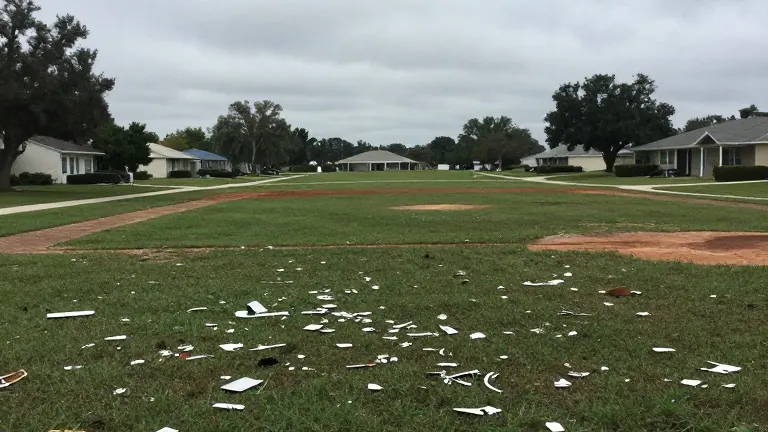
Recovery efforts face logistical hurdles at the crash site in Palm Beach County. The debris field spans approximately half a mile by four-tenths of a mile. Investigators said water in the impact crater and ongoing weather are complicating the work. The area includes ballfields, businesses, and homes, prompting the NTSB to urge residents not to move any debris they find.
The crash follows at least three small aircraft incidents in the Tampa Bay area this year, two of which were fatal. While retired Navy aviator Richard Kolko emphasized the overall safety of commercial travel, he noted that pilots are trained to monitor anti-ice and de-ice systems closely. The NTSB is currently gathering witness accounts to determine why the aircraft failed.
Source: ABC Action News