Houthis Siege Tightens Chokehold on Water for Taiz Residents
A tightening Houthi blockade on the Yemeni city of Taiz has cut off water, fuel, and food, pushing more than a million residents toward a severe humanitarian crisis.
By Benjamin Bernard ·
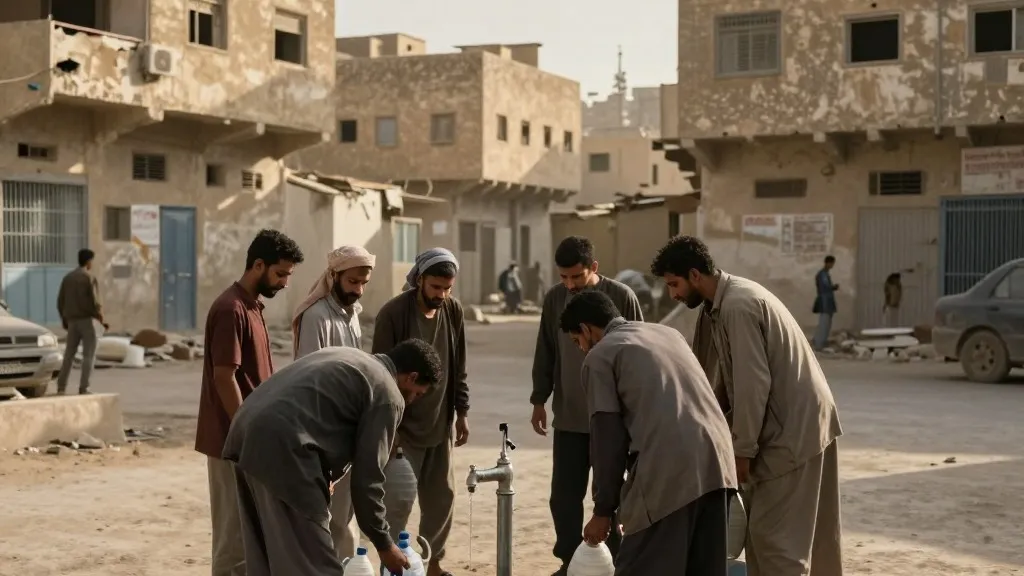
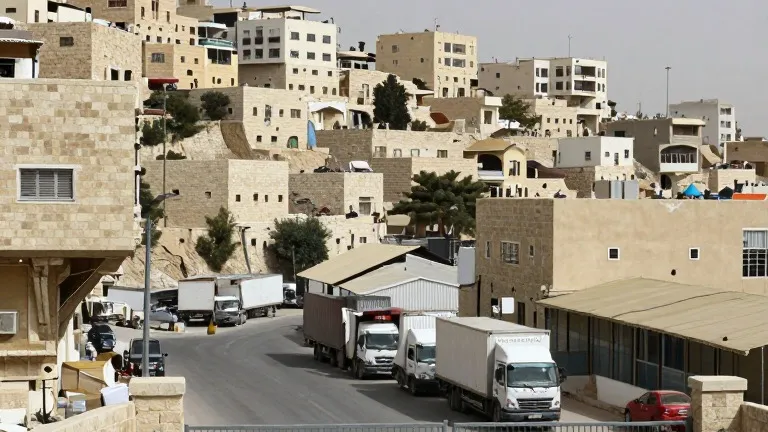
Residents of the Yemeni city of Taiz face severe shortages of drinking water, food, and fuel as a siege imposed by Iran-backed Houthi rebels tightens. The blockades on roads have restricted access to local wells, limited the fuel supply for desalination plants, and largely stopped water delivery trucks from entering the city, affecting the more than one million people living there. Aid groups report that the needs of the population are currently only barely being met.
The impact on daily life has been immediate and severe. Hadil al-Shahid, who lives with her two young children, stated that her family once used ten liters of bottled water daily for drinking and cooking. They now make that same amount last for about four days. "We stopped drinking coffee and tea, which we used to drink daily," she said by phone. The cost of bottled water has risen by as much as 75% in recent weeks, forcing some households to purchase it on credit.
This water crisis is part of a larger humanitarian emergency. Grocery shortages have increased food prices, while scarce fuel threatens the operation of hospitals and sanitation services. Amnesty International has called on the Houthis to open roads into the city immediately, warning that Taiz is being pushed to "the brink of a severe humanitarian disaster." Yemen has been in a state of civil war since 2014, and Taiz has been a central point of conflict for much of that time.
The blockade has escalated in recent weeks as the Houthis advanced on the city following their capture of the port of Mokha. This move has cut off residents from nearby wells and outside deliveries. Truckers who are able to make the dangerous journey into the city have sometimes tripled their rates, while the water utility and desalination plants are unable to operate at full capacity due to a lack of fuel. The shortages extend to other basic needs, with cooking gas prices having more than quadrupled and the prices of flour and rice increasing by about 50% since the summer.
Taiz province has absorbed a large number of people displaced by the conflict, with UN experts estimating that 124,000 people have arrived since August. Jens Laerke, a spokesperson for a UN emergency aid division, noted that some displaced families are living in makeshift shelters or tents and surviving on a single meal a day. The shortages of fuel and sanitation services have also raised public health risks, as thirsty families may turn to unprotected wells, which Laerke said makes disease, including cholera, more likely to spread.
The ongoing violence continues to endanger civilians. Missiles launched by the Houthis struck a residential area earlier this week, killing two teenage girls. The siege complicates military efforts, as government forces controlling the city's center face resistance in the surrounding hills. Ahmed Nagi of the International Crisis Group said any attempt by the Houthis to seize parts of the city would likely mean "a prolonged and costly battle." For residents like al-Shahid, who owns a hair salon that she had to close, leaving is not an option. "Staying in our home is inevitable," she said, "whether it be a matter of life or death."
Source: NPR