HawkEye 360 Expands Fleet With Three New Signal Trackers
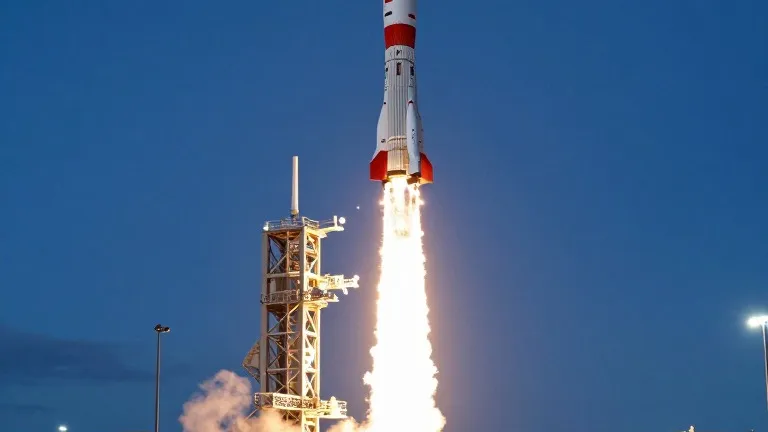
A Rocket Lab Electron rocket launched the satellites from New Zealand on Oct. 23, bringing the Virginia-based company's active orbital count to nearly 50.
By Benjamin Bernard ·
HawkEye 360 customers in Virginia now have three more assets monitoring radio frequency activity from space. The commercial signals-intelligence company placed three new satellites into low Earth orbit on Oct. 23, adding to a constellation that supports maritime tracking and radar monitoring for the U.S. government and its allies.
The spacecraft were carried into space on an Electron rocket that lifted off from Rocket Lab's New Zealand facility at 8:11 p.m. local time. The mission, designated as the company's 19th flight of the year, aimed to deploy the payload at an altitude of 323 miles. Once in position, the units will begin collecting data across the radio frequency spectrum.
HawkEye 360 operates these assets in clusters of three to detect specific signals. The company states that its proprietary signal processing and AI-driven analytics turn raw data into strategic information. This infrastructure is designed to help decision-makers identify GNSS jamming, map communications, and monitor space defense activities.
This launch followed a similar deployment just two days earlier, when SpaceX carried three HawkEye satellites on its Bandwagon-5 rideshare mission. The company's first satellites reached orbit in 2018. With this latest addition, the Virginia firm now has nearly 50 units active in low Earth orbit.
The flight marked Rocket Lab's 98th total launch. Sixteen of the company's 19 missions in 2026 have used the standard two-stage Electron vehicle, which stands 59 feet tall. The remaining three flights utilized HASTE, a suborbital variant designed for hypersonic technology testing.
Source: Space.com
More Business · Tech news · Bad Business · Report a business · Got a Story?