Haiti Opens Shelter for U.S. Deportees
A new facility in Cap-Haïtien provides food and beds for returning immigrants after Temporary Protected Status expired.
By Megan Greco ·
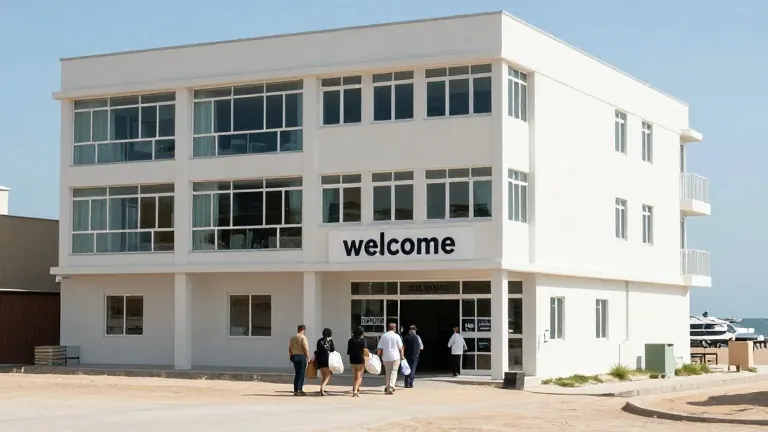
The Centre D’Accueil-Bedrock opened last Wednesday in Cap-Haïtien, Haiti’s second-largest city. The three-story building serves as a welcome center for Haitian immigrants deported from the United States. It offers temporary refuge, meals, hygiene materials, and a place to sleep.
Dr. Geralde Gabeau of the Immigrant Family Services Institute in Mattapan led the project with local Haitian partners. She stated that the organization could not ignore the suffering of individuals who had been detained and sent back after leaving their home for years. The center aims to support those arriving with very little or nothing.
The facility opened the day before a scheduled deportation flight from the U.S. The Supreme Court ruled in June that the Trump administration could roll back protections for at least 330,000 Haitians nationwide. Temporary protected status officially expired on July 27. This change stripped at least 19,000 people in Massachusetts of their legal status, putting them at risk of detention and removal.
Before the center opened, workers visited the local police station where deportees are held. They distributed emergency packages containing toothbrushes, towels, and other basic items to more than 100 individuals. This week, the center will host its first group, working with Haiti’s Office National de la Migration to transport them there.
Currently, the Haitian government funds one night at a local hotel for some deportees, but not everyone can be accommodated. Gabeau described the situation as adding gasoline to a fire due to overcrowding and continued deportations. Removal flights to Haiti increased from one per month to one per week starting August 20, according to the Human Rights Watch ICE Flight Monitor.
The center currently hosts 56 individuals per night and is seeking bunkbeds to increase capacity. Dr. Guerda Nicolas, a clinical psychologist at the University of Miami who co-founded Rebati Sante Mentale, visited last week. She met an elderly blind man, a person in a mental health crisis, and a young man who had not been in Haiti since age two. Many deportees arrive without cellphones, making it difficult to reconnect with family.
A coalition of local and international partners supports the center, including Ayiti Home Link, United For Women Empowerment, the Fondation Alfred Beliard, and the AmCham’s Women Network. Gabeau said the project has cost at least $100,000. The team plans to continue adding staff to help deportees reacclimate and find safe areas in the gang-run capital.
Source: WLRN