Google Health Update Automates Logging for 100 Workout Types
The new software doubles automatic detection capabilities for Fitbit and Pixel Watch users while introducing metabolic health tools.
By Benjamin Bernard ·
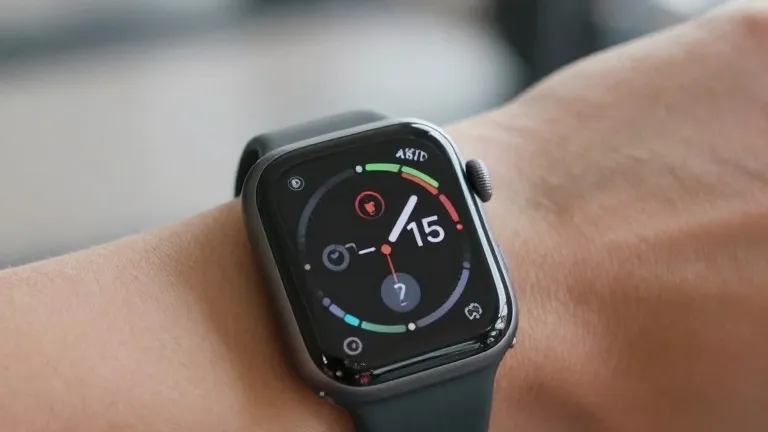
Google is distributing version 5.11 of its health application this week, introducing expanded activity detection and new metabolic tools for wearable device users. The update targets Fitbit trackers and the Pixel Watch, focusing on improved accuracy for workout logging and health monitoring.
The primary change involves the expansion of automatic activity tracking from 10 types to 100. This feature is currently live on the Fitbit Air, Pixel Watch 3, Pixel Watch 4, and Pixel Watch 5. The Fitbit Edge will receive the same capability upon its launch on October 27. The expanded list includes strength training, swimming, and various racket and team sports.
Google attributes the improved performance to contextual reasoning that analyzes a user's historical data, routines, and manual edits. The company states that this approach makes detections nearly twice as accurate and reduces missed workouts by more than half. Activities that meet a default 15-minute duration threshold with a sustained elevated heart rate are logged automatically. A summary of these sessions typically appears in the app within 30 minutes.
The system learns from user interactions. When a person confirms or edits a logged activity, the feature uses that input to refine future predictions. This mechanism allows the software to adapt to individual movement patterns over time.
New Health Guardian features are available to Google Health Premium subscribers who own a Fitbit Air or Fitbit Edge. Two new trends can be set up immediately, with initial reports due at the start of November. Blood pressure trends will appear for users who wore a Fitbit Air for at least five consecutive days in October. Insulin resistance trends, which track monthly metabolic health shifts, are available to those who wore their watch for at least seven days and nights during the month.
The update also includes changes to sleep and glucose tracking. The sleep system now uses step data to better identify short awakenings, such as trips to the bathroom. Users can remove naps that do not match their day directly from the nap card. The app has renamed the Blood glucose section to Glucose, offering updated charts and custom time-in-range goals. In the United States, Lingo by Abbott can now connect directly to the app, displaying glucose readings within 30 minutes.
Version 5.11 is available on iOS devices and is currently rolling out to Android users.
Source: 9to5Google