250 families displaced as Israeli forces expand Hebron operation
Hundreds of residents were forced from their homes in West Bank neighborhoods following a deadly shooting that triggered a wide-scale military response.
By Benjamin Bernard ·
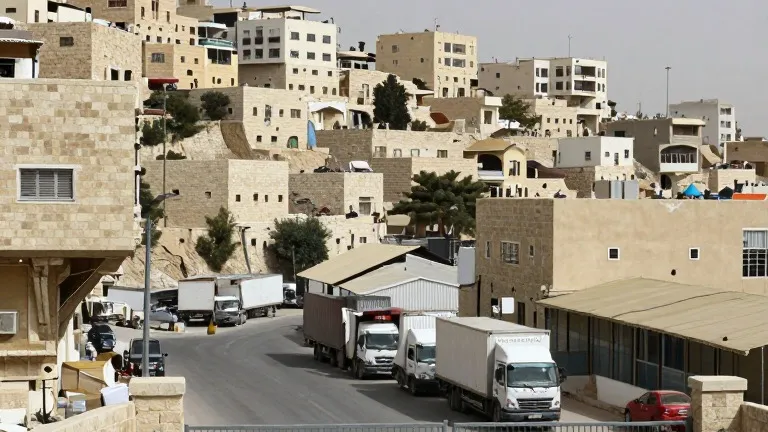
Approximately 250 Palestinian families have been forcibly displaced from their homes in the West Bank city of Hebron, according to local officials. This figure represents the current count of displaced residents, though authorities note the number is not final as the military operation continues. The evacuations occurred across several neighborhoods in the wake of a violent incident that claimed the lives of two soldiers.
The displacement follows a shooting incident on Friday near the Farsh al-Hawa checkpoint west of Hebron. During the attack, two Israeli soldiers were killed and three others were wounded. The military stated that two suspected Palestinian attackers were also killed by forces on the scene. In response, the army launched what it described as an operation to thwart terrorism in coordination with the Shin Bet and Border Police.
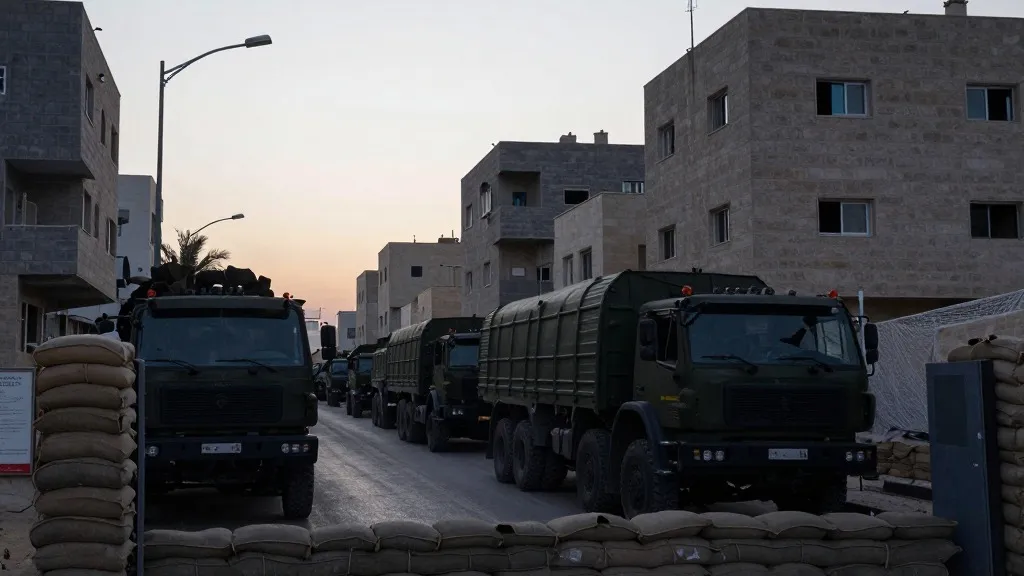
The operation focused on the area from which the alleged attackers operated. The military conducted searches to locate and dismantle what it termed terrorist infrastructure and weapons. Dozens of suspects were interrogated during the initial phase of the operation. Residents were ordered to leave through designated exits as the military moved into the targeted zones.
Abdul Hamid Shahada, a resident of the al-Jalada neighborhood, described the early morning incursion on Saturday. He reported that a large number of soldiers arrived with several military vehicles and took up positions near the homes of the Joba family. The al-Jalada neighborhood is home to the families of the two alleged perpetrators, Ahmad and Hamouda al-Joba. The military distributed a map designating specific homes and adjacent buildings for evacuation.
Shahada said his family watched from their windows as soldiers forced other families out of their residences. He noted that one man was beaten during the process. His family packed small bags with essentials, including medicines, mobile phone chargers, and important documents. They waited anxiously through the night, unsure of when they would be allowed to return to their building.
Soldiers directed the evacuated families along a specific route toward Al-Salam Street. From there, some residents went to stay with relatives, while others sought shelter at the Child Happiness Centre, which the municipality opened to accommodate them. The military told Shahada that the eviction was effective until further notice. However, other families were informed they would be kept out of their homes for a period ranging from six months to a year.
Khaled al-Qawasmi, deputy mayor of Hebron, stated that the military began the operation around midnight, giving residents only one hour to vacate their homes. He confirmed that the evacuation included both adults and children. Residents were not permitted to remain in the targeted area. Qawasmi warned that the limited capacity of existing shelters could lead to a crisis if the operation expands further.
The forcible displacement coincided with demolitions targeting residential buildings, commercial shops, and industrial facilities in Farsh al-Hawa. Local sources reported that around seven dunums of land were levelled. Israeli forces imposed a broad closure on the city and its surrounding villages, towns, and refugee camps. Main entrances and roads were blocked, and forces continued to raid homes and conduct arrests across the city.
Local sources reported that at least 13 Palestinians were arrested in the city, while dozens were detained for several hours and subjected to field interrogations. In response to the situation, the Hebron Municipality activated an emergency plan. This includes the preparation of shelters for displaced families and the establishment of an operations centre to monitor residents' needs. The municipality expressed concern that the scope of evacuations may expand, requiring additional resources to support the affected population.
Source: Middle East Eye