Spain heads to the polls as far right looms over government formation
Spain holds a snap election on November 29 amid housing crises and corruption scandals, with polls suggesting the far right may play a pivotal role in forming the next government.
By Benjamin Bernard ·
Spain is preparing to hold a snap general election on November 29, a vote that could see the far right enter the national government for the first time since the end of Francisco Franco’s dictatorship in 1975. Prime Minister Pedro Sanchez called for this early election last month after the parliament rejected his administration’s housing relief measures, a move that coincided with widespread public protests over rising rents and property prices.
According to current polls, the centre-right People’s Party (PP) is positioned to win the largest number of seats. However, the PP will likely require the support of the far-right Vox party to secure the 176 seats needed for a majority in the 350-seat Congress of Deputies. Voters will also elect 208 members to the Senate. The National Statistics Institute reports that approximately 38.7 million citizens aged 18 and older are eligible to cast their ballots.
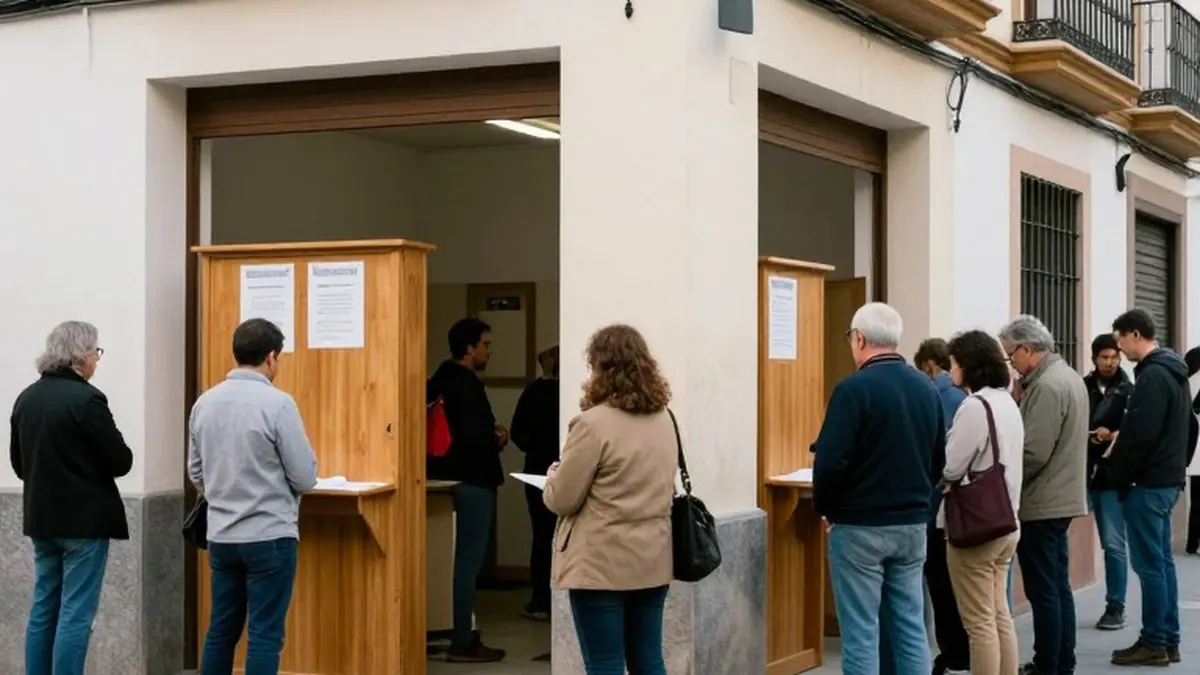
Polling stations across the country will open at 9:00 am local time and close at 8:00 pm on November 29. Provisional results from the Interior Ministry are expected to begin arriving immediately after polls close, with a clear overall picture emerging before midnight on Sunday. In the previous election in 2023, roughly 99 percent of votes had been counted by 11:45 pm.
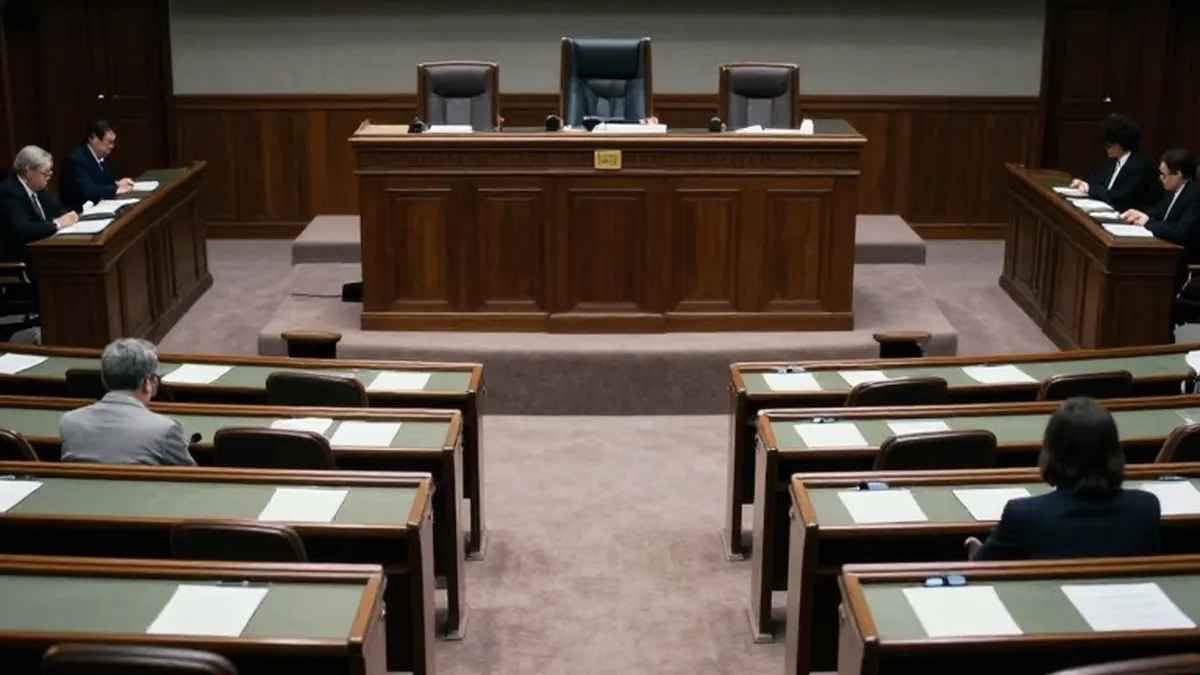
The election takes place within a parliamentary monarchy where King Felipe VI serves as head of state, while the government is led by a prime minister accountable to the Cortes Generales. The lower house, the Congress of Deputies, consists of 350 members elected through proportional representation in 52 constituencies. Voters select a party list rather than individual candidates, and parties must secure at least 3 percent of the vote in a constituency to win seats there.
Pedro Sanchez currently leads a minority coalition government composed of the Spanish Socialist Workers’ Party (PSOE) and the left-wing Sumar alliance. His 22-member cabinet includes three deputy prime ministers: Carlos Cuerpo for the economy, Yolanda Diaz for labour, and Sara Aagesen for the ecological transition. Cuerpo is also acting as transport minister following the resignation of Oscar Puente after a train crash last month that killed 69 people.
Key issues driving the campaign include housing, immigration, and corruption. The Bank of Spain estimates a shortage of 750,000 homes, a gap that could exceed one million by 2028. Average rents have reached 1,176 euros monthly, nearly matching the average salary of young workers. On immigration, Sanchez’s government has offered a path to legal status for undocumented migrants, drawing nearly 1.2 million applications, while Vox pledges mass deportations and the PP promises tighter border controls.
Corruption remains a central theme for opposition parties, with Sanchez facing up to nine judicial investigations involving his family and party. Former transport minister Jose Luis Abalos was sentenced to 24 years in prison for corruption in June. Healthcare waiting lists and economic inflation, which stands near 5 percent, are also prominent concerns for voters.
The main contenders include Sanchez’s PSOE, the PP led by Alberto Nunez Feijoo, and Vox led by Santiago Abascal. A new left-wing alliance, the Broad Front, headed by former Barcelona mayor Ada Colau, is replacing Sumar. Regional parties such as EH Bildu, the BNG, the PNV, and ERC are also expected to play a decisive role in determining who can form a stable government.