Argentina approves ban on Central Bank funding of government spending
Lawmakers gave final approval to restrictions on Central Bank money creation while the Senate advanced a separate proposal to suspend electoral primaries.
By Benjamin Bernard ·
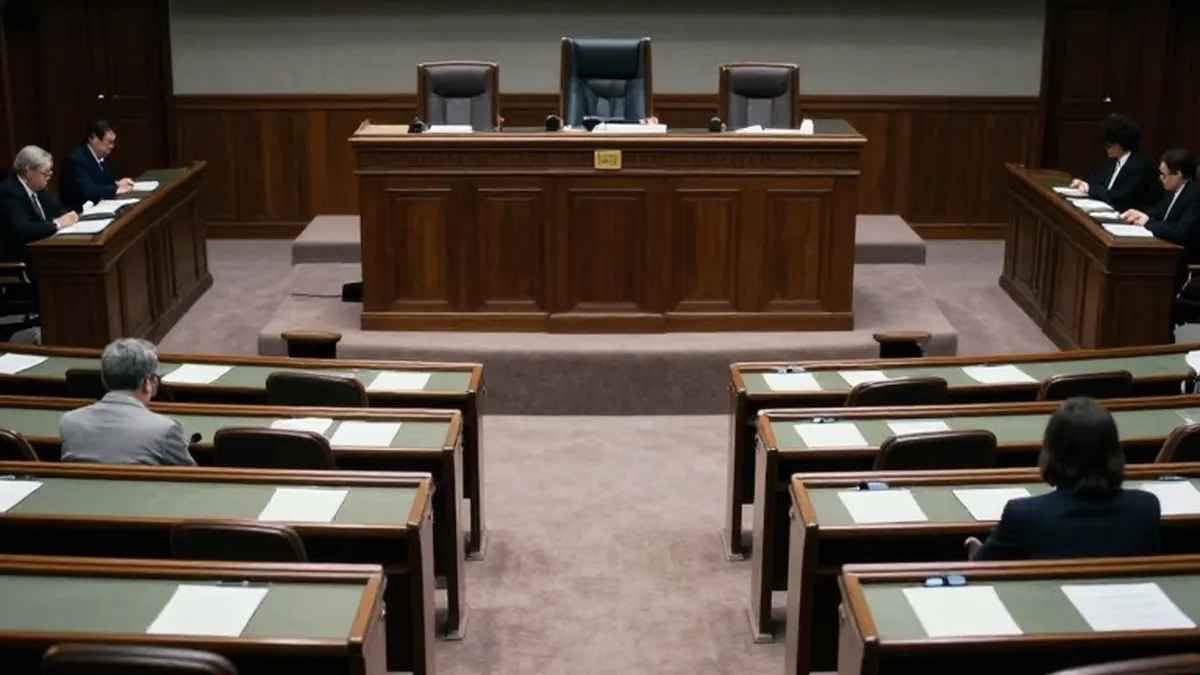
Argentina’s Chamber of Deputies on Thursday approved legislation preventing the Central Bank from printing additional money to pay for government spending, delivering a legislative victory for President Javier Milei. The measure received 141 votes in favour and none against, with 99 lawmakers abstaining. Having already passed the Senate, it has now secured final approval from the legislature.
The legislation establishes preserving the currency’s value as the Central Bank’s central responsibility. Previous administrations relied on newly printed money to help meet government expenses, a practice that contributed to inflation that exceeded 200 percent in 2023. Milei, a libertarian economist, won the presidency that year after campaigning on promises to curb inflation and cut public spending.
Inflation has fallen during his presidency, but poverty has risen sharply. Economists also believe Argentina could be moving towards a recession, following a decline in economic activity in recent months. Public dissatisfaction with Milei’s austerity programme has remained a challenge for his government even as he has pursued his economic agenda.
In a statement celebrating the Senate’s passage of the banking legislation, Milei’s office portrayed the measure as ending nearly two decades of political interference at the institution. It also condemned the record of the bank, which was established in 1935. Before approving the bill, senators removed a provision backed by Milei that would have required a two-thirds majority in each chamber of Congress to dismiss Central Bank governors.
The Senate on Thursday also approved a separate electoral proposal that would suspend Argentina’s primary elections, reduce public funding for political parties and remove the requirement for a presidential debate before general elections. Senators backed that measure by 43 votes to 29. Unlike the Central Bank legislation, the electoral bill still requires approval from the Chamber of Deputies.
The proposed changes come less than a year before the next presidential election, scheduled for October 24, when Milei is expected to seek another term. Critics argue that suspending primaries would allow him to avoid an early electoral setback. They say a poor primary showing could damage his campaign’s momentum before the general election and trigger adverse economic fluctuations.
Members of Milei’s La Libertad Avanza party presented the electoral bill as a way to simplify the voting process. Opponents, however, warned that it could undermine democratic norms. Buenos Aires province Governor Axel Kicillof, a possible presidential challenger, accused Milei in a social media post of seeking to alter democratic rules to improve his prospects for re-election.