US Navy Escort Keeps Oil Flowing Through Strait of Hormuz
Central Command reports 1.5 billion barrels moved since June as prices stay high.
By Benjamin Bernard ·
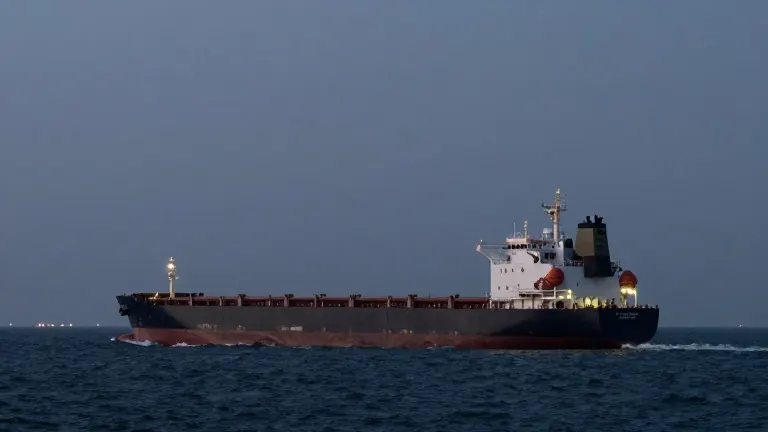
Iran has tried to control the Strait of Hormuz, but US military forces have kept the waterway open for Gulf oil exports since June. US Central Command, known as CENTCOM, announced the figures on Sunday. The data shows a sustained effort to maintain trade routes despite regional tensions.
More than 3,000 commercial vessels have transited the strait with US support over the past six months. CENTCOM stated that these vessels exported more than 1.5 billion barrels of oil. The command reported that 95 percent of ships using the channel sailed safely in recent months. This track record, according to the statement, demonstrates that the United States and regional partners control the waterway.
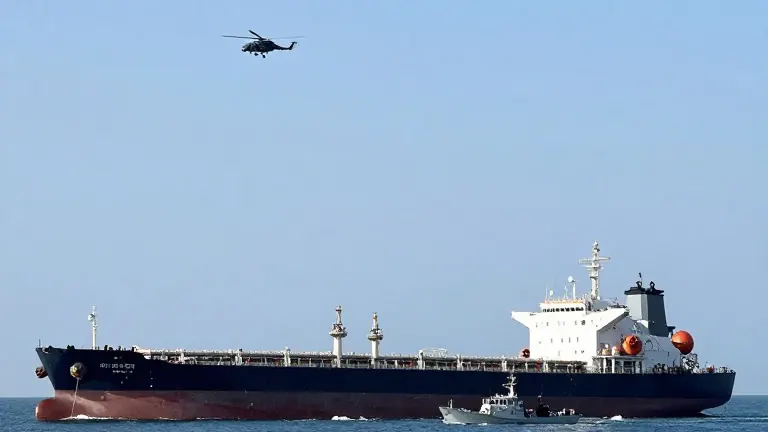
Admiral Brad Cooper, the commander of CENTCOM, visited the region to observe the operational environment. He flew in a US Army helicopter to view the strait directly. Cooper said the primary transit routes are free of Iranian mines due to mine clearance operations. He attributed this success to the efforts of personnel working in the area.
Cooper emphasized the partnership between the US military, Gulf states, and the shipping industry. He said the US continues to stand shoulder to shoulder with these partners. The visit, he noted, underscores the commitment to freedom of navigation. The command is working with the Gulf Cooperation Council and interagency teams to keep commercial traffic flowing.
Crude oil flows have largely returned to pre-war levels. The US and Israel launched their war on Iran in late February. According to Kpler, a market intelligence firm, the region exported at least 16.5 million barrels of oil per day in September. This figure matches the average from before the conflict, excluding Iran. Analysts point to offshore transfers, US escorts, and pipeline use as the reasons for this rebound.
Despite the return in volume, oil prices remain high compared to pre-war levels. Brent crude futures stood at about $114.50 per barrel on Sunday. This price represents a drop of about 2 percent from the previous week's high, which was the highest in nearly six months. For context, Brent crude settled at $72.48 per barrel on February 27, the day before the strikes on Iran began.
Source: Al Jazeera
More Business · Bad Business · Report a business · Got a Story?