Russia exits treaty that banned torture
The exit took effect in November, ending independent oversight of Russian prisons and detention centers.
By Benjamin Bernard ·
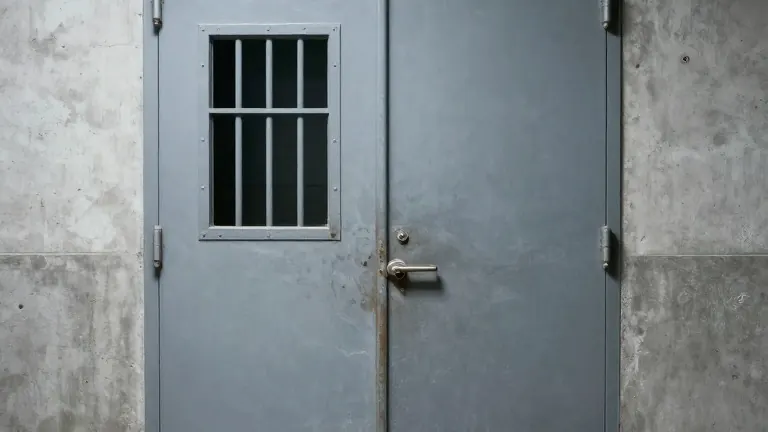
Russia has left the European Convention for the Prevention of Torture.
The withdrawal became official on November 1.
Moscow sent a formal notice to the Council of Europe on October 30, 2025.
The legal process required a one-year waiting period before the exit could take place.
Alan Mitchell, the head of the Committee for the Prevention of Torture, confirmed the end of the committee's authority.
He stated, "The withdrawal of the Russian Federation marks the end of the CPT's monitoring mandate in the country."
Mitchell added that this move ends any independent monitoring of places where people are held in custody within Russia.
Russia joined the treaty in 1998.
From 1998 to 2021, the committee conducted 30 visits to the country.
During that period, inspectors checked more than 450 detention sites.
Russia was the only member state that blocked the publication of full visit reports.
This restriction allowed the Council of Europe to release only four reports on Russian facilities during those twenty-three years. The unpublished documents covered routine checks and special investigations. They included ten visits to Chechnya and the North Caucasus region between 2000 and 2017. Since the invasion of Ukraine began in February 2022, the committee has received many reports of torture. These accounts describe ill-treatment by Russian officials in detention centers. The reports cover facilities in occupied Ukrainian territories and inside Russia. The committee could not verify these claims through an independent visit. Russian authorities refused to cooperate with the inspectors. Ukrainian officials, by contrast, continue to grant the committee access to any detention site at any time. The Russian lower house of parliament, the State Duma, voted on September 17, 2025, to support the exit. The bill was submitted by Vladimir Putin. The treaty was adopted in 1987. It requires member states to prevent torture and bans sending prisoners to countries where they might be mistreated. In October, the United Kingdom introduced new sanctions against Russia. These measures targeted the LNG shadow fleet and networks linked to the Kremlin. They also included restrictions on individuals accused of torturing civilians.
Source: Ukrainska Pravda