Iraqi PM Al-Zaidi Visits Syria to Solidify Trade and Security Ties
The first high-level visit since Assad's fall focuses on restoring oil pipelines and managing a border that has served as a corridor for conflict.
By Megan Greco ·
Iraqi Prime Minister Ali al-Zaidi arrived in Syria on Wednesday just before noon, marking the first official visit by an Iraqi leader since the collapse of the Assad regime in 2024. The delegation, which included high-level officials, is expected to address security and counter-terrorism measures. Iraqi state media confirmed the trip but provided limited details on the specific agenda.
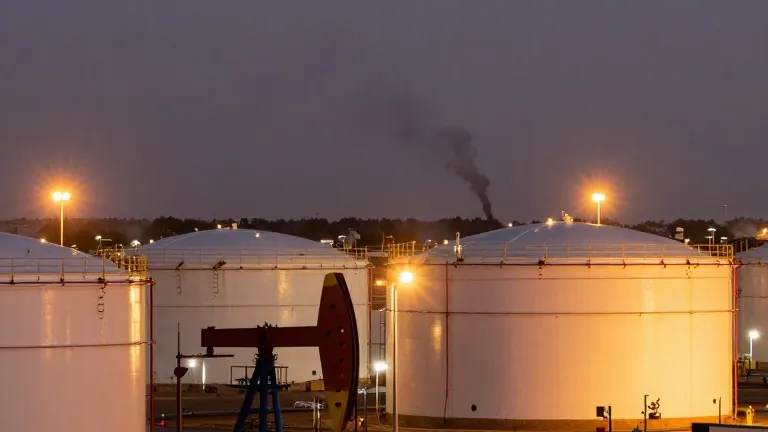
Syrian President Ahmed al-Sharaa has positioned the relationship as a historic opportunity to deepen economic cooperation. In an interview with Iraq's Dijlah TV reported by Syrian state news agency SANA, Sharaa emphasized the strategic importance of Syria as a trade corridor for Iraq. He specifically cited the connection between Iraq's Faw Port and Syria's Mediterranean port of Tartous. Sharaa also called for the rebuilding of oil pipelines linking Iraq to Syria's Baniyas port, a move that would allow Iraqi oil to flow westward as the crisis with Iran persists.
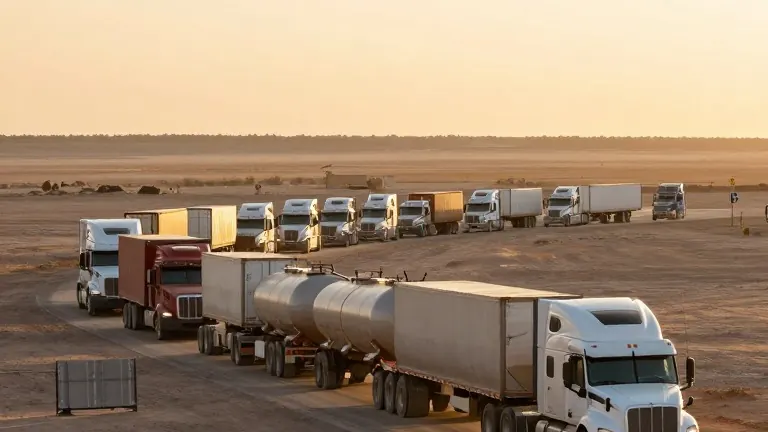
Commercial activity between the two nations has surged in the past six to seven months. According to SANA, over 100,000 transit trucks and 40,000 import and export trucks have moved across the border during this period. Sharaa stated that this increase in traffic validates the potential for stronger state institutions and coordinated regional security.
The visit comes amid recent friction on the border. On Tuesday, Sharaa declared the border "completely" secure, a claim that follows a dispute with Jordan over an airstrike on ISIS targets in Syria. Syrian officials said the Jordanian strike killed several civilians, highlighting the fragile nature of regional stability.
Sharaa also addressed Iraq's internal politics, expressing support for al-Zaidi's efforts to combat corruption and bring armed groups under state authority. He argued that competing military organizations undermine national institutions, stating that the "decision of war and peace must remain in the hands of the state." This stance contrasts with Iraq's view of the groups Sharaa formerly worked with, which Baghdad considers terrorist organizations.
Sharaa recounted his personal history with Iraq, noting he traveled there in 2003 out of solidarity to defend Iraqis against the American occupation. He said he entered prison around 2005 and returned to Syria in 2011 after his release, having avoided the sectarian conflicts that tore through the country. His account adds a personal dimension to the diplomatic push for closer ties.
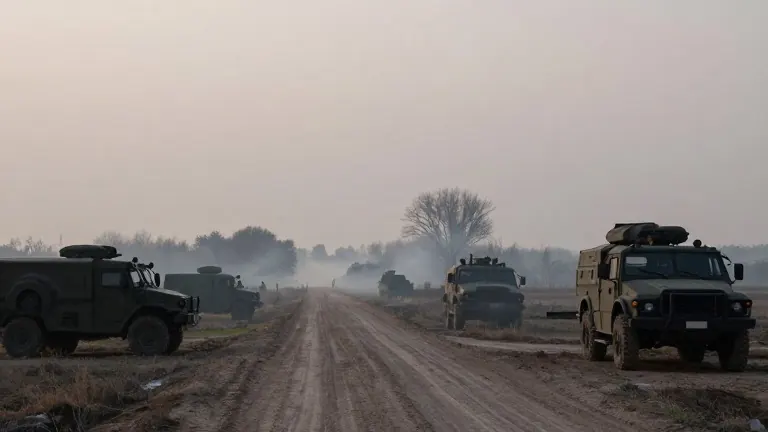
The geographic and historical links between the two countries remain central to their security. Routes that once carried insurgents and ISIS fighters now serve as vital arteries for trade. A stable border helps contain Iranian-backed militias in Iraq, a factor that influences security calculations for Israel, Saudi Arabia, and Jordan.
Source: The Jerusalem Post