Clock change stays: Senate blocks permanent daylight saving time
Leaders in the upper chamber are unlikely to vote on the House-passed measure before the November elections, ending a major push by the president.
By Chloe Zhao ·
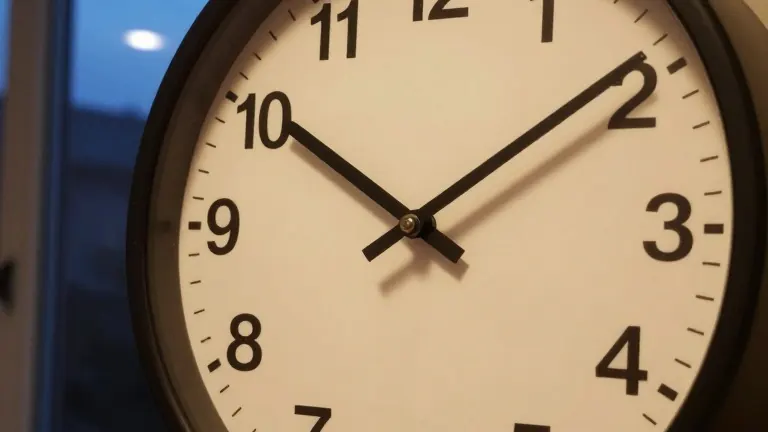
The twice-yearly clock adjustment will remain in place this year, as the Senate prepares to let a House-passed bill stall before the year ends.
The legislation would make daylight saving time the permanent national standard, eliminating the practice of shifting clocks in spring and fall. While the House approved the measure, Senate leaders have signaled they are unlikely to bring it to a vote in the short window remaining after the November 3 midterm elections.
President Donald Trump has applied intense pressure on Senate Republicans to pass the bill. Earlier this month, the president posted his personal cellphone number on social media and directed Senator Tom Cotton, a member of the GOP leadership, to "GET IT DONE!" Trump argued that afternoon sunshine is superior to morning light and noted that "CRIMINALS DON'T LIKE WORKING IN THE LIGHT." He renewed his call this week on Truth Social, stating that the Senate was "letting the Daylight Saving Bill die" despite a vast majority of the country wanting the change.
Senator Cotton has remained the most vocal opponent of the permanent shift. He noted that while he dislikes changing the clock, Congress has enacted permanent daylight saving time multiple times in the past and repealed it each time. He cited instances where Americans experienced "absurdly late sunrises in the winter" as the primary reason for repealing previous attempts. Cotton is not alone in his opposition. Senator Mike Rounds of South Dakota, representing a northern state, warned that the change would mean "sending kids to school in the dark." Other Republicans from similar latitudes share these concerns about delayed sunrises.
Senate Majority Leader John Thune of South Dakota has not publicly weighed in on the specific House bill, though he has voted against similar versions in the past. Senator Todd Young of Indiana described the House bill as a "non-starter" for Senate Republican leaders. Senator Bernie Moreno of Ohio was more direct, responding to questions about the bill's prospects with "No way." These signals suggest the measure will not advance during the current legislative session.
Supporters of the permanent time argue it provides more daylight during the afternoon, when most Americans are active. Senator Rick Scott of Florida, who signed state legislation in 2018 to keep the state on daylight saving time pending federal approval, has led efforts in the Senate. Scott stated that Americans are "sick and tired of changing their clocks twice a year," calling it an unnecessary practice that is more of an annoyance than a benefit. Senator Ed Markey of Massachusetts also supports the change, noting that the "head-spinning ritual" of time changes impacts the economy, health, and happiness.
Public opinion reflects a strong desire to end the current system. An AP-NORC poll conducted last year found that only 12% of American adults favored keeping the status quo, while nearly half opposed it. Organizations including the American Medical Association and the American Academy of Sleep Medicine support a single standard time. Despite these endorsements and the president's personal advocacy, the Senate's procedural calendar and regional concerns over winter sunrises have created a barrier to passage.
The current debate mirrors a historical precedent from the 1970s. In the winter of 1973, amid an energy crisis, Congress passed a law instituting permanent daylight saving time as a trial period. By October of that year, the law was repealed after public support dropped sharply. A major driver of the backlash was concern for children walking to school in the dark. More than 50 years later, many Americans have forgotten that experiment, leading to renewed calls to abandon the biannual time change.
As the country turns its clocks back an hour on Sunday, the legislative impasse leaves the status quo intact for another cycle. The House bill remains in the Senate, but without a scheduled vote, it is expected to expire with the session. This outcome defies the explicit wishes of the president and leaves the annual ritual of adjusting home and vehicle clocks in place for the foreseeable future.
Source: ABC News