Cheesesteak Economics: From Beef Scraps to a Century-Old Industry
The Philadelphia sandwich originated in 1930 as a lunch break improvisation, evolving through specific ingredient changes to become a major local business model.
By Benjamin Bernard ·
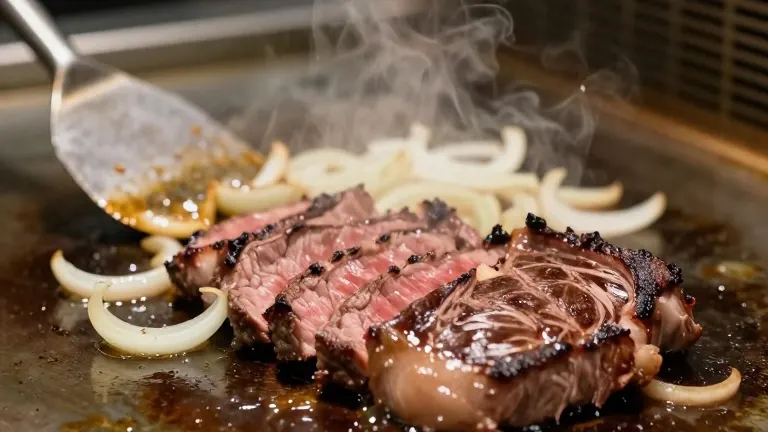
The Philadelphia cheesesteak began in 1930 not with cheese, but with a shortage of hot dogs. Pat Olivieri, running a cart near the Italian Market in South Philadelphia, sent his brother Harry to a local butcher for beef scraps. Olivieri chopped the meat, grilled it with onions, and placed it in a hot dog bun. This improvisation solved a personal lunch problem but created a new food category.
A cab driver passing the cart smelled the cooking meat. The driver purchased the sandwich instead of the standard hot dog and reportedly advised the Olivieri brothers to sell the new item. The response was immediate. Pat Olivieri opened a brick-and-mortar establishment called Pat’s King of Steaks on Passyunk Avenue, marking the transition from street cart to fixed location.
The product definition shifted over the next decade. The original 1930 recipe consisted solely of beef and onions. It was not until the 1940s that a manager named Cocky Joe Lorenza added slices of provolone to the beef. This change gave the sandwich its common name. In the 1950s, the introduction of Cheez Whiz altered operations. The liquid cheese melted quickly into the bread structure, speeding up service times for staff.
By the 1960s, the market for the sandwich expanded rapidly. In 1966, Joey Vento opened Geno’s Steaks directly across the street from Pat’s. Both businesses operated 24 hours a day. Their proximity created a competitive dynamic that turned the intersection into a distinct commercial zone. The rivalry between the two establishments remained a defining feature of the local food scene.
Local consumers often bypass the famous flagship stores in favor of neighborhood spots. Residents frequently cite Angelo's Pizzeria in South Philadelphia, Dalessandro’s Steaks in Roxborough, and Jim’s South St. as top choices. John's Roast Pork, a recipient of a James Beard Award, is also considered a standard by locals. Opinions on the best establishment vary by individual, but the consensus points to specific neighborhood locations rather than the original tourist destinations.
The construction of the sandwich follows a specific set of standards. The meat is typically high-quality chopped or sliced beef, often ribeye, cooked on an oiled grill. The bread is a torpedo roll with a firm crust and soft interior. Suppliers like Amoroso's or Conshohocken Italian Bakery are frequently used for this bread. Ordering terminology is specific to the region. Customers request the sandwich wit, which includes fried onions, or witout, which excludes them.
The product line has expanded beyond the original beef base. Many shops now offer chicken alternatives. Other variations include the pizza steak, which features marinara and mozzarella, and the cheesesteak hoagie, topped with cold lettuce and tomato. Green peppers, mushrooms, and hot cherry peppers are common additions that allow for customization of the heat level.
The evolution from a single cart to a widespread industry reflects specific changes in ingredients and service speed. The addition of provolone in the 1940s and Cheez Whiz in the 1950s modified the core product. The opening of Geno’s Steaks in 1966 formalized the competitive market structure. Today, the sandwich remains a central part of the local economy, with established rules for preparation and consumption that have persisted for nearly a century.
Source: WTXF-TV
More Business · Bad Business · Report a business · Got a Story?