BBC Nature Team Rejects AI Fakery
The upcoming wildlife series intentionally retains cloudy footage to prove its images are genuine.
By Chloe Zhao ·
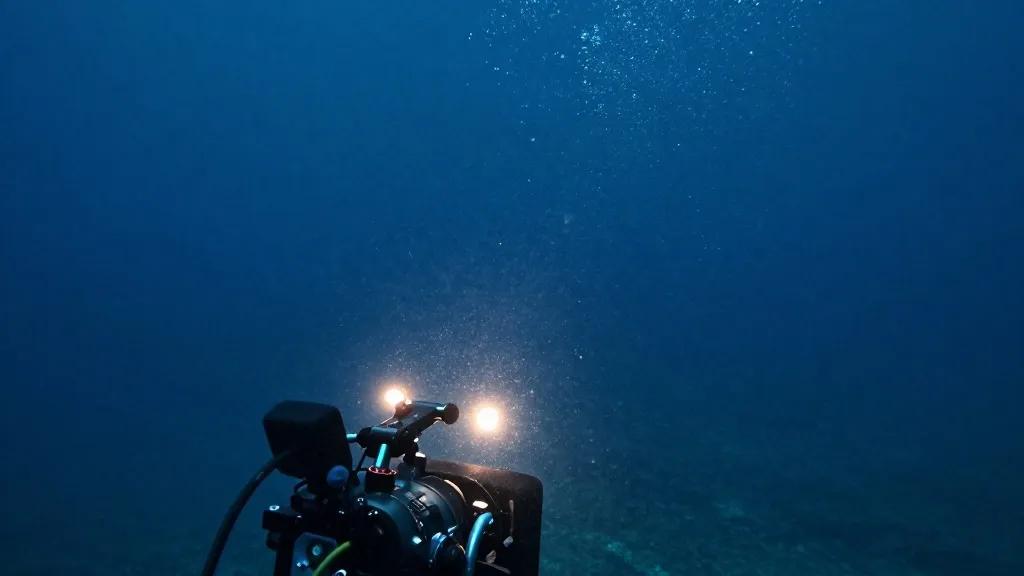
BBC Studios executives say they deliberately kept murky, unpolished underwater sequences in their upcoming wildlife series to demonstrate the footage is genuine rather than computer-generated. The production team decided against cleaning up shots containing plankton or boat buoys to prove the authenticity of the animals filmed.
The decision comes as artificial intelligence technology increasingly complicates the verification of digital media. Executive producer Elizabeth White explained that the prevalence of AI 'makes us want to be even more authentic,' noting that the deep-sea creatures captured on film are more remarkable than what computers could invent.
At a press screening, Jack Bootle, head of specialist factual commissioning, provided a guarantee regarding the production's technology. 'No gen AI was used in this series. Not a single frame. It's all real photography,' Bootle stated. White added that the team is 'really leaning into that authenticity' as artificial intelligence continues to advance.
Filming for the program took four years to cover five oceans. The crew utilized specialized equipment, including a 'mini-dome' camera for tracking octopuses and a 'deep-sea selfie stick' for deep-sea work. Operators also employed leg-mounted scooters for diving and lasers to film animals in the deep sea.
The production also includes a device known as the 'stonefish' cam, which is described as the world's first underwater CCTV camera. The series producer and director, Yoland Bosiger, developed the underwater CCTV to record dolphins using sea sponges to block holes in coral to trap fish.
The program features additional natural behaviors, such as a grouper communicating with another species of fish, 200,000 crabs lining up in formation to feed, and sea urchins using shells as sun hats. The series also covers environmental topics, including how warmer seas caused by the climate crisis are affecting clownfish habitats and pollutants in the water.
Attenborough, who is 100, was 'very much involved' in the production and made changes to scripts, Bosiger said. Regarding the BBC's cost-cutting drive, White declined to comment but noted the series saved money by using more local crews on location.
Blue Planet III begins on Sunday, November 1, on BBC1 and iPlayer.
Source: The Guardian
More Business · World news · Bad Business · Report a business · Got a Story?