Irish Folk Music Loses a Defining Architect in Dónal Lunny
The death of the bouzouki pioneer ends an era in Irish traditional music, leaving behind a legacy of innovation and global influence that reshaped the genre's sound.
By Chloe Zhao ·
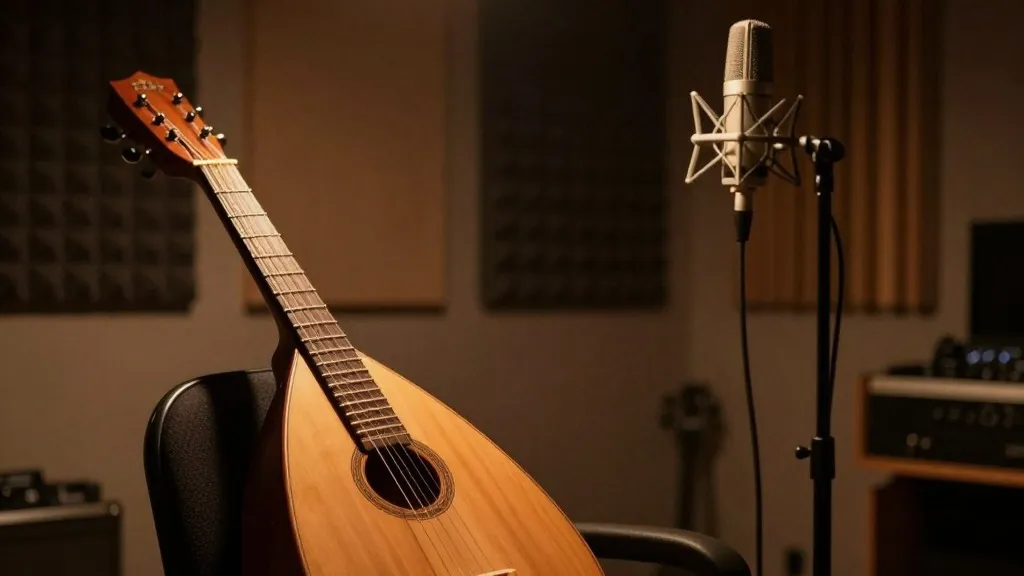
The death of Dónal Lunny at the age of 79 marks the end of a dominant era in Irish traditional music, leaving a void that peers and leaders say will be difficult to fill. Lunny, who died from cancer, was not merely a participant in the revival of traditional sounds but a central force that helped define them. His passing, confirmed by his family on Friday, signals the departure of one of the most influential musicians in the country’s modern history, raising questions about how the next generation will maintain the momentum he helped build.
Lunny’s impact was rooted in his technical mastery and his willingness to blend traditional forms with new influences. While he was a multi-instrumentalist, his reputation rested heavily on his command of the bouzouki, an instrument he effectively introduced to the Irish folk scene. This innovation allowed for new harmonic depths and rhythmic possibilities that had not previously existed in the genre. His work transcended the stage, extending into the studio where his label, Mulligan Records, produced 17 albums that documented and shaped the sound of the era.
His career trajectory illustrates a consistent pattern of collaboration and evolution. Rising to prominence in the trio Rakes of Kildare with his brother Frank and Christy Moore, Lunny subsequently played with a series of celebrated groups, including Planxty, Moving Hearts, the Bothy Band, and Coolfin. These partnerships were not just musical arrangements but professional alliances that helped bring Irish folk music to a global audience. His ability to work across different ensembles while maintaining a distinct artistic identity was a key factor in his longevity and influence.
The reaction to his death has been swift and unified, spanning political and cultural spheres. President Catherine Connolly described Lunny as one of Ireland’s greatest musical figures, emphasizing his role in the most influential moments of Irish music over the past 60 years. She highlighted his long-standing partnerships with figures like Andy Irvine and Christy Moore, noting that his innovation was recognized by his peers through membership in Aosdána and a lifetime achievement award at the 2025 RTÉ Radio 1 Irish folk awards.
Taoiseach Micheál Martin expressed deep sadness, referring to Lunny as a colossus of Irish music. Martin noted that Lunny was uniquely gifted and credited him with carrying traditional and folk music to new audiences through his work with Planxty and other projects. This perspective aligns with the broader view that Lunny’s value lay not only in his technical skill but in his ability to make traditional music accessible and relevant to a wider demographic.
Sinn Féin president Mary Lou McDonald also offered a tribute, calling Lunny a giant of Irish traditional music who helped shape the sound of the country for generations. Her comments underscore the bipartisan respect Lunny commanded, suggesting that his cultural significance transcended political boundaries. The consensus among leaders is that his contribution to culture and music will be a lasting part of the national identity.
The family’s statement provided a more personal perspective on Lunny’s final days. They confirmed that he passed away peacefully in the morning at St James’s hospital in Dublin after a short stay. The message, posted on his Facebook page, described him as beloved and thanked those who had helped celebrate his immense contribution to music, culture, and the lives of people around the world. The statement closed with the Irish phrase "Ní bheidh a leithéid arís ann," which translates to the meaning that his like will not be seen again.
As the music community processes this loss, the focus remains on the structural changes Lunny brought to the genre. His life work demonstrates how a single musician can alter the trajectory of a cultural form by introducing new instruments and production techniques. The challenge for Irish traditional music now is to preserve the innovative spirit he championed while honoring the traditions that formed the foundation of his career. His legacy is a reminder that cultural evolution often depends on individuals willing to bridge the gap between the past and the future.
Source: The Guardian
More Culture · World news · Report a business · Got a Story?