Iran Conflict: Votel warns strikes may exhaust U.S. interceptors
Retired Army Gen. Joseph Votel argues that without a defined end state, new U.S. and Israeli attacks will degrade Iran but fail to end the war.
By Chloe Zhao ·
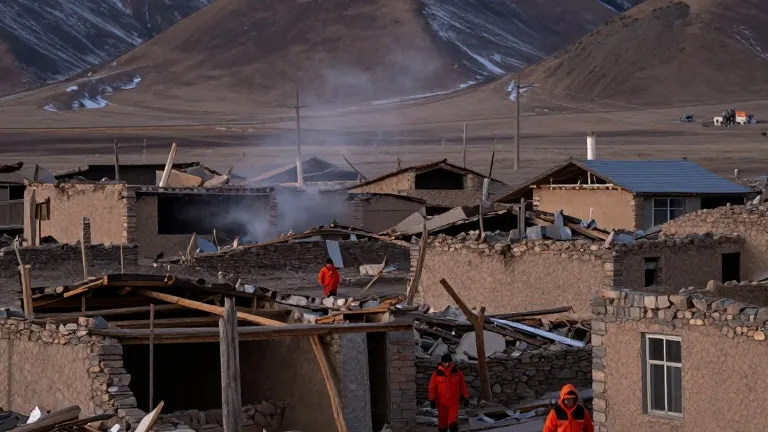
Retired Army Gen. Joseph Votel stated that a new round of U.S. and Israeli strikes on Iran will likely weaken the country's military capabilities but will not end the war. Votel, who led U.S. Central Command from 2016 to 2019, told NPR's Leila Fadel that previous attacks have hit the same targets multiple times without changing Tehran's strategic calculations.
He noted that Iran has demonstrated the ability to rebuild struck infrastructure. Votel said new strikes can punish the government and buy time, but they have not yet altered how Tehran views the path forward. In his assessment, the conflict requires a clear definition of what an end state looks like before further military action is taken.
Votel identified two primary goals for Washington: resolving the nuclear enrichment issue and reopening the Strait of Hormuz. He argued that the U.S. must define how it will declare the war finished. He said these two factors are the principal concerns, though he acknowledged Iran is also using proxies, including the Houthis, to create instability across the region.
The general emphasized that military force is only one component of national power. He argued that economic, diplomatic, and information pressure must be coordinated with military strikes to achieve the stated objectives. Votel pointed to the financial front as an area where progress is visible, citing the blockade and sanctions.
He referenced recent reporting that Iran's ghost fleet has run out of oil. While he noted that this economic pressure takes time to fully materialize, Votel said there is definite movement in that direction. He contrasted this with the military campaign, where the U.S. offensive power remains substantial and the ability to strike is not in question.
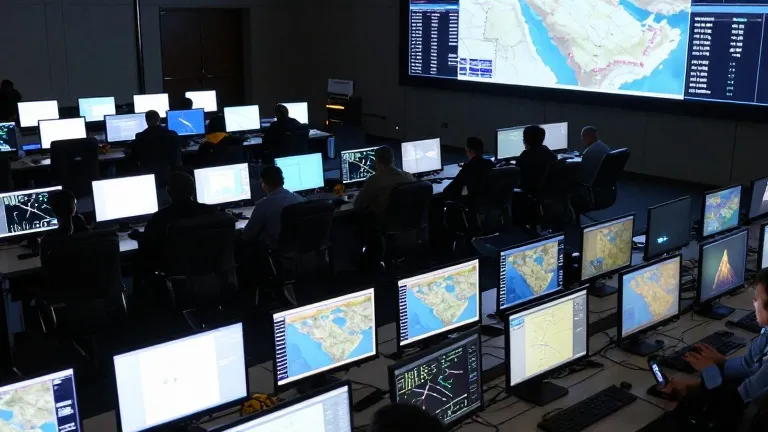
Votel warned that the potential constraint lies in missile defense. He said heavy pressure has been placed on the defensive interceptors that protect U.S. forces, regional partners, and critical infrastructure. In his view, offensive capability is sufficient, but the defense side may face a constraint if the campaign continues without a clear exit strategy.
He concluded that bringing Iran to the negotiating table requires a clear statement of objectives and the patience to execute a coordinated approach. Votel said the U.S. must align all elements of national power toward the specific goal of reopening the strait and limiting enrichment to force a strategic shift from Tehran.
Source: NPR