Argentina bars central bank financing of government spending
Congress approved a new central bank charter focused on protecting the peso as President Javier Milei faces signs of recession and mounting political pressure.
By Megan Greco ·
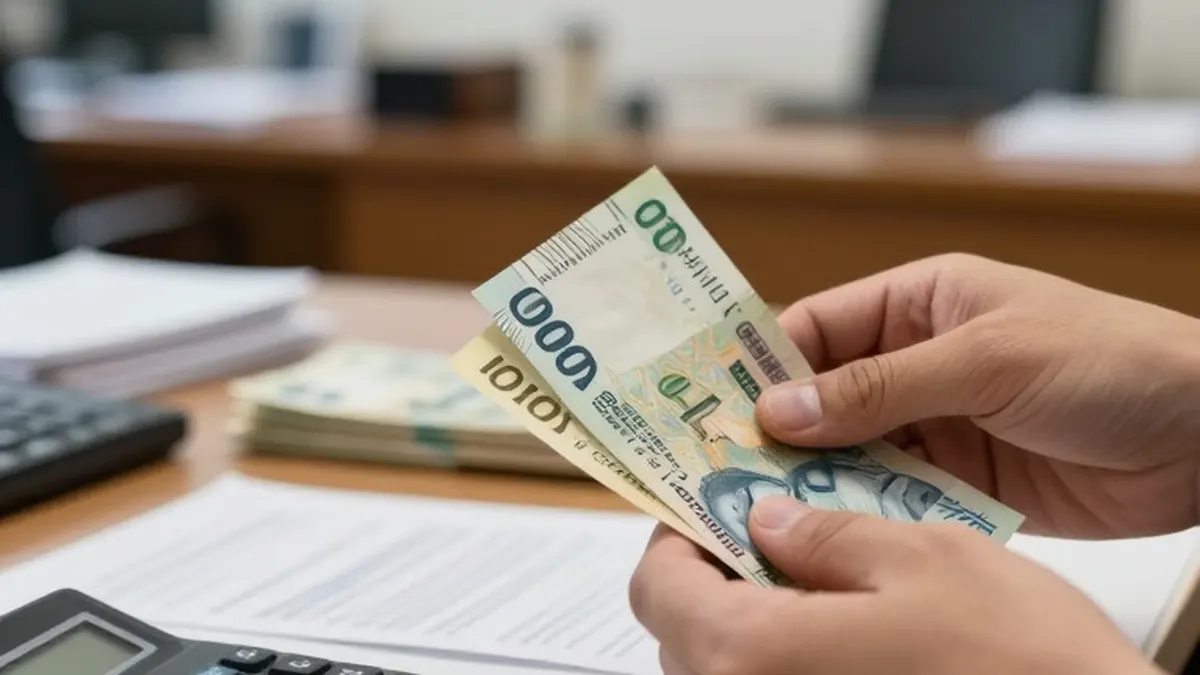
Argentina’s Congress on Thursday approved legislation prohibiting the central bank from printing pesos to finance government spending, giving legal force to a central element of President Javier Milei’s campaign against inflation. The Chamber of Deputies passed the measure with 141 votes in favor, none against and 99 abstentions.
The bank’s revised charter makes protecting the peso’s value its foremost responsibility. That mandate reflects Milei’s approach in office, although during his 2023 presidential campaign he pledged to close the institution and adopt the U.S. dollar. The law prohibits lending to any level of government and other forms of Treasury financing.
Successive Argentine governments have relied on newly printed money to bridge the difference between spending and tax revenue, contributing to recurring currency crises and periods of hyperinflation. The legislation also removes employment and economic development objectives introduced under former President Cristina Fernández de Kirchner, whose administrations depended heavily on central bank financing.
Congress stopped short of granting the bank’s leadership the protection Milei originally proposed. His bill would have required approval from two-thirds of both legislative chambers to dismiss central bank governor Santiago Bausili, whom he appointed. The Senate weakened that provision, and deputies could not muster enough votes Thursday to reinstate it. A president will instead be able to replace the leadership with a simple majority in the Senate.
Over the past three years, Milei’s spending cuts have replaced persistent budget deficits with a surplus and helped bring annual inflation down from almost 300% in early 2024 to 33% in October. However, he has remained reluctant to allow the market to determine the exchange rate. The charter retains the bank’s authority over currency controls without establishing a clear rule for responding to inflation.
Restrictive monetary policy has supported a strong peso, raising the cost of Argentine products overseas while domestic factories contend with cheaper imports. Oil and gas exports have surged, but manufacturing, retail and construction have struggled. Official figures released Tuesday estimated that the economy contracted 1.8% in the third quarter after shrinking 0.6% in the second. Consecutive quarterly declines generally indicate a recession.
The economic weakness comes less than a year before Milei seeks another four-year term, with his polling support declining. Investors are assessing whether the Peronist movement could regain power and undo his market-friendly policies. Argentina has defaulted on its debt nine times, and the premium investors require to hold its bonds has more than doubled since early August, according to JPMorgan.
Milei is also seeking changes to next year’s presidential election process. On Thursday, the Senate approved his proposal to suspend mandatory primaries, sending it to the lower house. The government says public funds should not pay for contests that political parties ought to organize themselves.
The primaries have traditionally offered an early indication of general election results. Suspending them would allow Milei to avoid an advance test of voter sentiment that, if unfavorable, could unsettle markets, weaken the peso and further damage his support. Peronist leaders oppose the proposal, which would leave their divided movement negotiating a ticket privately or arranging its own primary.
Buenos Aires province Gov. Axel Kicillof, a possible Peronist presidential challenger, accused Milei of manipulating the electoral process. Writing on X, he said Milei wanted to change democratic rules to improve his reelection prospects “by cheating.”
More News · National news · Report a business · Got a Story?