Indigenous gathering in Plymouth challenges Thanksgiving narrative
The 57th National Day of Mourning will honour Indigenous ancestors and highlight continuing struggles over sovereignty, land and environmental protection.
By Megan Greco ·
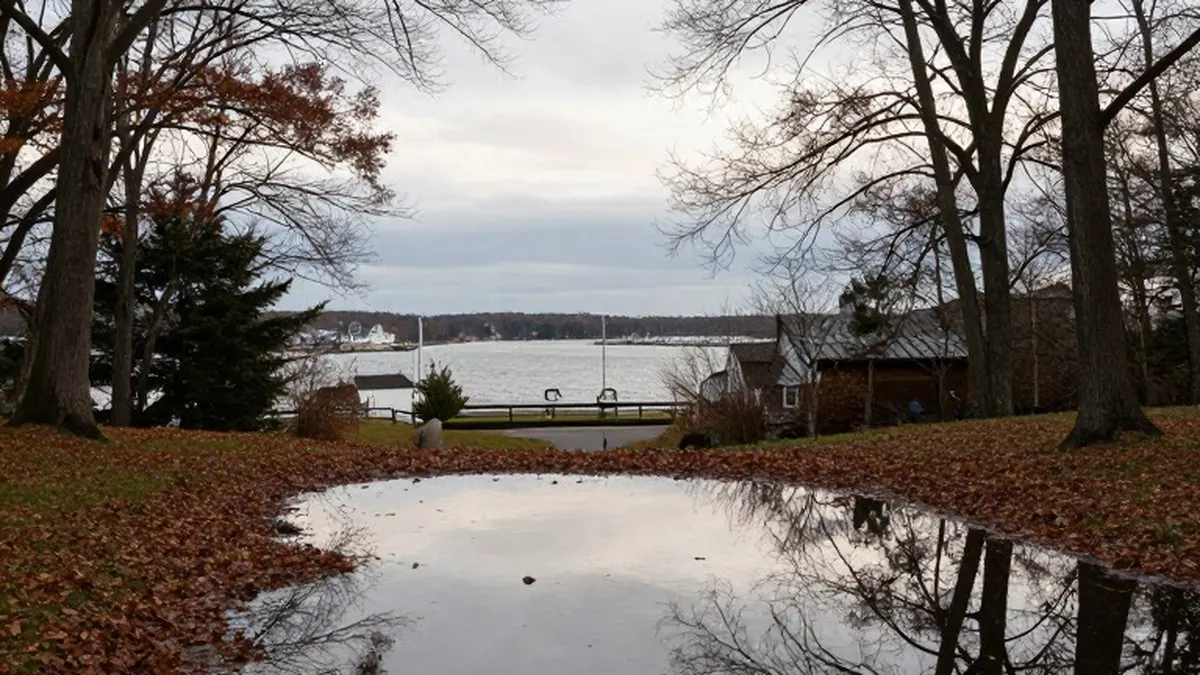
Indigenous people and their supporters are expected to assemble in Plymouth, Massachusetts, on Thursday, November 26, for the 57th annual National Day of Mourning, as millions across the United States celebrate Thanksgiving. The gathering combines remembrance of Indigenous ancestors with a challenge to familiar accounts of the holiday and calls for recognition of ongoing Indigenous struggles.
Organised by the United American Indians of New England, or UAINE, the event is scheduled for noon near the Massasoit statue on Cole’s Hill. Organisers say this year’s concerns include missing and murdered Indigenous women, girls and Two-Spirit people, federal funding cuts, sovereignty and environmental protection.
The Thanksgiving story commonly centres on a three-day harvest gathering in 1621 involving at least 90 Wampanoag men and about 50 English settlers. The settlers had arrived aboard the Mayflower in November 1620 and established Plymouth at Patuxet, a village on ancestral Wampanoag land. Epidemics associated with European contact had already devastated Indigenous communities in the region. In March 1621, Wampanoag leader Ousamequin, also called Massasoit, formed an alliance with the newcomers for mutual protection.
Indigenous traditions of gratitude and communal feasting long preceded that encounter, according to Jean-Luc Pierite, president of the North American Indian Center of Boston. He told Al Jazeera that accounts focused on friendship and a shared meal obscure the subsequent loss of Indigenous lives and territory. Expanding European settlement brought warfare, forced relocation and broken treaties. The Indian Removal Act, signed by President Andrew Jackson in 1830, led to the displacement of tens of thousands of Indigenous people.
Thanksgiving became a national observance much later than the Plymouth gathering. President Abraham Lincoln proclaimed a national day of Thanksgiving in 1863, during the Civil War, following a lengthy campaign by writer and editor Sarah Josepha Hale. Lincoln designated the last Thursday in November. Congress established the fourth Thursday as the holiday in 1941.
The National Day of Mourning began in 1970 after Aquinnah Wampanoag activist Wamsutta Frank James was invited to address an event commemorating 350 years since the Pilgrims’ arrival. Organisers objected to his account of violence, land seizures and the treatment of Indigenous peoples. He declined to give an alternative speech, and Indigenous participants and supporters instead gathered in Plymouth on Thanksgiving. His granddaughter, UAINE co-leader Kisha James, says many concerns raised at that first protest remain unresolved.
The gathering also provides a forum for international solidarity. Pierite said Palestinian speakers have participated since the Hamas-led attack on southern Israel on October 7, 2023, and Israel’s subsequent war on Gaza. He connected Palestinian demands for return with Indigenous displacement and the Land Back movement. UAINE co-leader Mahtowin Munro said this year’s event would support Indigenous communities resisting mining, pipelines, resource extraction and large dams on their territories.
Activists are also seeking attention beyond annual commemorations. Pierite said Indigenous concerns are frequently confined to public discussion in October and November, despite continuing throughout the year. Both he and Kisha James called for greater attention to Indigenous perspectives on climate change and environmental protection.
In California, the International Indian Treaty Council is holding its annual Thanksgiving sunrise gathering on Alcatraz Island. It commemorates the Indigenous occupation from 1969 to 1971, which helped energise the US Indigenous rights movement, while honouring ancestral resistance and cultural survival. Other observances include community meals and family gatherings, such as the Muckleshoot Tribe elders’ annual celebration in Washington state on November 16.