Renters emerge as pivotal political force in US midterm elections
Renters became a decisive voting bloc in the 2026 midterms, backing Democrats by 30 points and driving housing issues to the center of the political agenda.
By Megan Greco ·
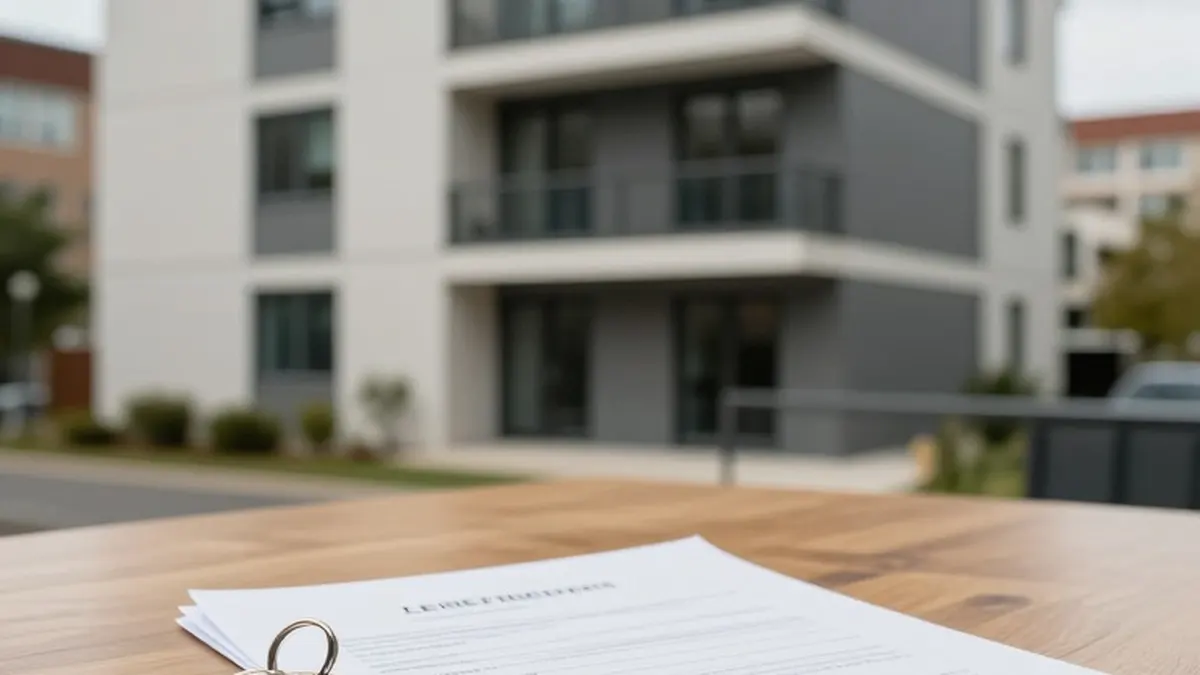
The 2026 midterm elections have marked a significant shift in American politics, establishing renters as a distinct and influential national constituency. According to a YouGov poll conducted after the elections, renters supported Democratic candidates by a 30 point margin, with 61% voting for Democrats compared to 31% for Republicans. This level of alignment exceeded that of other key demographic groups, including homeowners, college educated voters, and young voters, who also leaned Democratic but by smaller margins.
While renters have historically favored the Democratic Party, this election cycle saw candidates actively court the group by addressing specific housing challenges. Experts note that renting has become a common experience for a new generation of Americans in their 30s and 40s. For those in their 20s, it is increasingly viewed as a long term expectation rather than a temporary phase, as they perceive little immediate path to homeownership. The median age of a renter in the United States has risen to 42, up from 38 in 2006. Additionally, the educational profile of renters has shifted, with about one third now holding a degree, compared to 22% in 2010.
Daniel Wortel London, a history professor at Bard College who studies housing politics, explained that the frustration of middle class Americans who cannot afford to own homes is driving this political change. He noted that the politics of rent are becoming more prevalent even outside of major cities as more people who previously owned homes are now renting. This sentiment was visible across the country during the recent campaigns, where housing affordability became a central theme.
In Iowa, Rob Sand, the first Democratic governor elected in the state in a generation, campaigned on protecting renters from algorithmic price gouging by landlords. In Montana, Democratic candidate Sam Forstag, who flipped a congressional district, campaigned alongside a tenants union during a rent strike. Rhode Island saw David Morales elected as mayor of Providence, a victory driven by frustration over the previous mayor's veto of a rent stabilization measure. These local and state outcomes reflect a broader trend of renters influencing electoral results.
The organization Run for Something, which recruits progressive millennial and Gen Z candidates, began recruiting renters to run for office in 2025. By the 2026 midterms, one third of the candidates the group backed who won their races were themselves renters. Those candidates flipped 25 seats. In states that voted for Democratic presidential nominee Kamala Harris in 2024, 70% of these candidates identified housing as their top issue. Amanda Litman, co founder of Run for Something, stated that identifying as a renter signals to voters a candidate's economic situation and priorities, tying into a larger sense of economic anxiety and lack of agency.
Rob Warnock, lead economic researcher at Apartment List, observed that renters tend to hold more progressive economic views than the average voter. He noted that the politics associated with renting, such as concerns over housing costs and wealth building, aligned with the broader shift to the left seen in this election cycle. The Democratic Socialists of America have recognized this overlap for several years, having targeted organizing efforts in New York districts with high renter populations to implement tenant friendly agendas at the local level.
Even moderate candidates highlighted their commitment to renters. Keisha Lance Bottoms, who won the governorship of Georgia, vowed in her campaign to crack down on corporate landlords buying up property that drives up costs. Her focus on affordable housing appealed to voters like Chris Moore III, a 20 year old Howard University student currently renting in Washington, D.C. Moore, who struggles to make ends meet despite working two jobs, cited Bottoms' emphasis on housing as a primary reason for his vote.
Looking ahead, Litman views this cycle as the beginning of an era where renting is central to political discourse. She emphasized the need for policies focused on tenant protections and expanding housing supply, rather than first time home buyer credits which many young voters see as unrealistic. The upcoming 2028 election cycle may see the first major presidential candidate who is a renter if Rep. Alexandria Ocasio Cortez chooses to run. As Litman noted, the political influence of this group is only at its beginning.
More News · National news · Report a business · Got a Story?