Pac-12 Commissioner Details Strategic Logic Behind Boise State's Flex Week Matchup
Pac-12 officials prioritized maximizing playoff chances over strength of schedule when assigning Boise State to play at Colorado State this week.
By Chloe Zhao ·
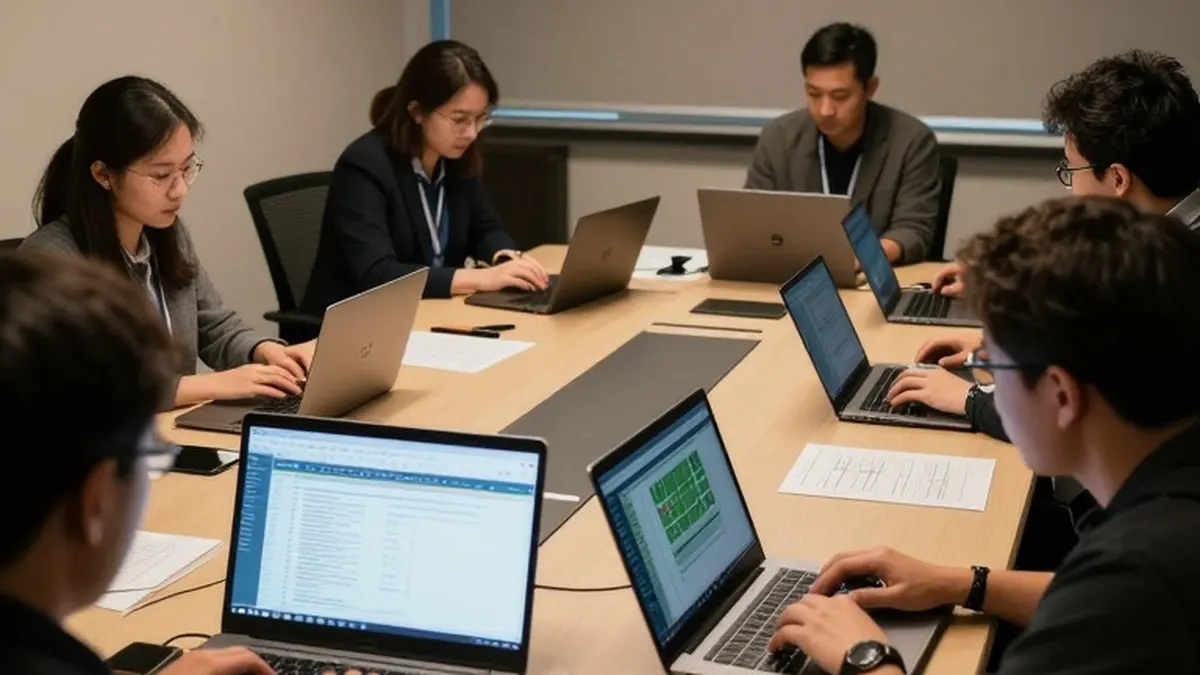
Pac-12 commissioner Teresa Gould and her staff spent a chaotic weekend on Zoom to finalize the conference's first flex week football schedule. The process involved working through 16 potential matchups late Saturday night and into Sunday morning. What began as a logistical solution for a conference with only eight football members evolved into a strategic effort to maximize the Pac-12's likelihood of securing a spot in the College Football Playoff.
When planning the season, the conference considered three main options. A seven-game conference schedule with five nonconference games was the first, but finding quality nonconference opponents has become increasingly difficult. A partnership with another conference was the second option, though it did not guarantee higher quality games. The third and chosen option involved teams playing each other again as a nonconference game. Gould stated that the strength of these intra-conference games would be far superior to the alternatives.
The athletic directors supported the idea immediately, but coaches had more questions regarding how to communicate the change to their teams. To simplify the logistics, the four schools with only three home conference games were designated as hosts for flex week. The other four schools knew they would be traveling, though their specific destinations were determined only at the end of the season.
The primary goal was to help a team qualify for the playoff, while also ensuring as many teams as possible became bowl eligible. The conference also considered television windows to prevent any rest advantage for teams playing in the championship game. Because five of the eight teams were already bowl eligible and the other three could not achieve that status, the decision-making process was straightforward. The central question was how to give Boise State, currently 9-2, the best possible chance at the playoff.
Boise State will travel to Colorado State on Saturday at 6 p.m. ET on USA Network for the second time this season. The Broncos defeated the Rams 64-38 in their first meeting. Although Fresno State, which holds a higher position in the standings, was available, the conference decided that Boise State did not need a tougher opponent to strengthen its resume. The league felt comfortable with the gap between Boise State and other Group of 6 playoff contenders, even after the Broncos' loss to San Diego State.
Hunter Yurachek, chair of the CFP selection committee, validated this perspective on Tuesday night. He noted that Boise State continues to lead the pack among non-Power 4 teams, although the margin between them and the teams behind them is narrowing. Boise State dropped out of the CFP rankings this week following its loss to San Diego State, having previously been ranked No. 17. No other Group of 6 team currently holds a top 25 ranking.
The conference also factored in the upcoming championship game on December 4, where Boise State will face San Diego State. Beating Fresno State was not deemed worth the risk of a potential loss. Gould explained that they were not going to match the Broncos against a top-tier team but rather one near the bottom of the standings. This approach also ensured that both championship participants would play in early Saturday time slots to equalize rest periods.
Before finalizing the current format, the conference discussed allowing teams to pick their own opponents. This would have turned the selection into a televised event, with Boise State athletic director Jeramiah Dickey potentially announcing the Broncos' choice. While this idea has entertainment value, Gould noted there were reservations about introducing such dynamics in the first year of the reconfigured conference. There was concern about the impact on coaches and programs if they felt responsible for 'making their pick.'
There was also a practical reason for the conference to retain control. What is best for an individual team is not always best for the conference as a whole. By assigning opponents themselves, the Pac-12 maintained the ability to maximize bowl eligibility and strengthen the resumes of postseason contenders. The conference had hoped to announce the matchups during a Saturday night TV window, but a late-finishing game between Oregon State and Utah State disrupted the timing. Gould expressed hope that they can achieve this announcement format in the future.
More News · National news · Report a business · Got a Story?